Introduction
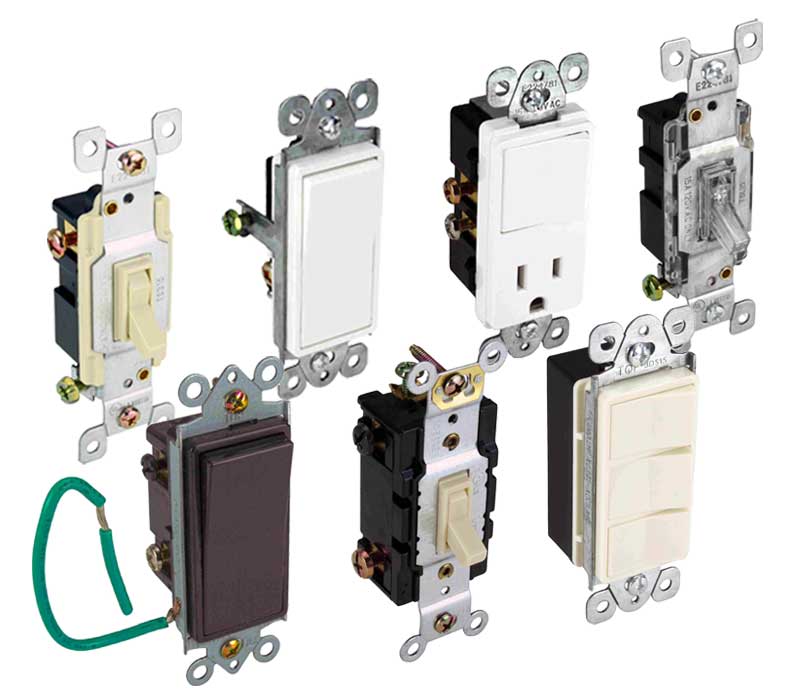
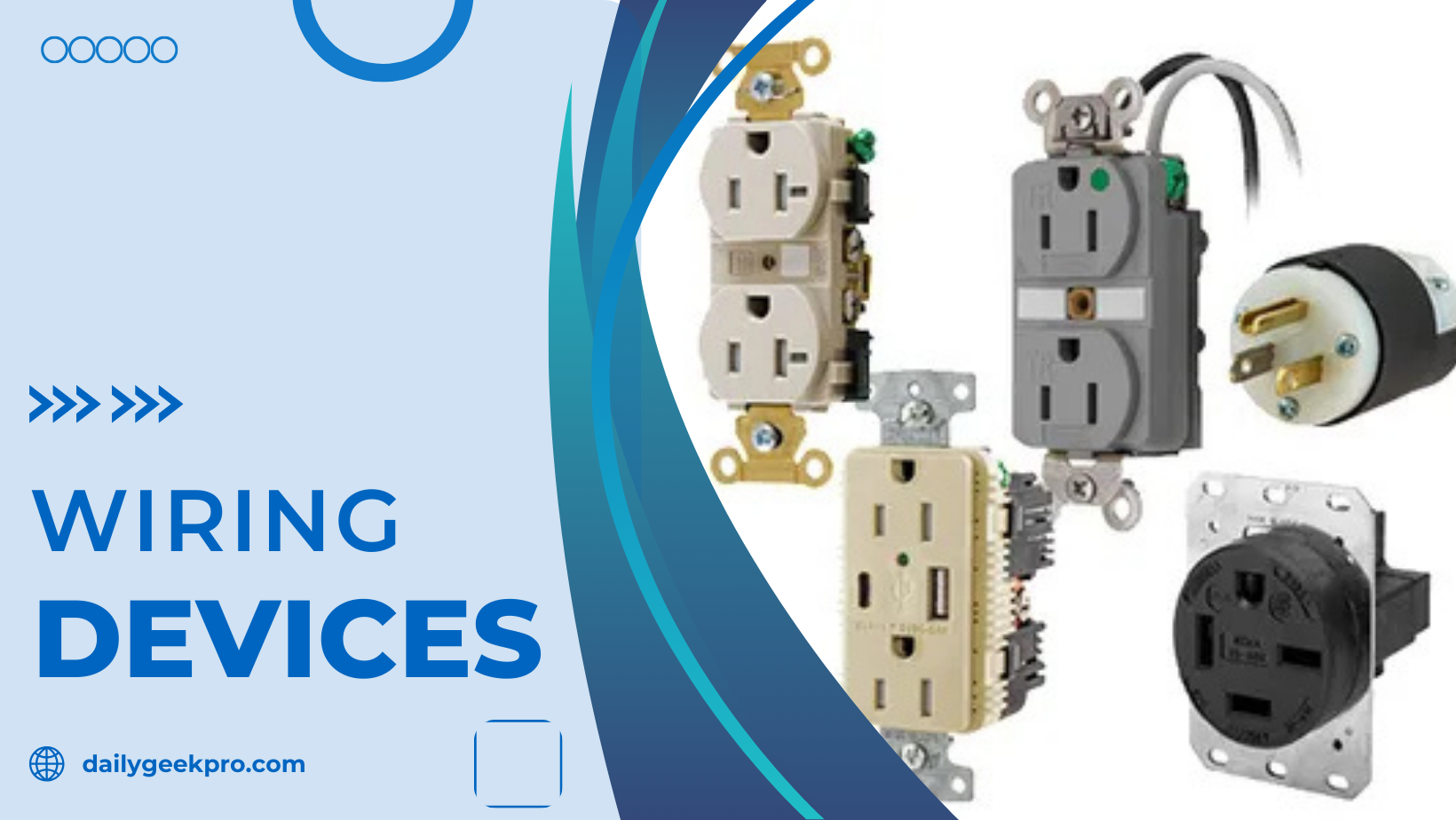
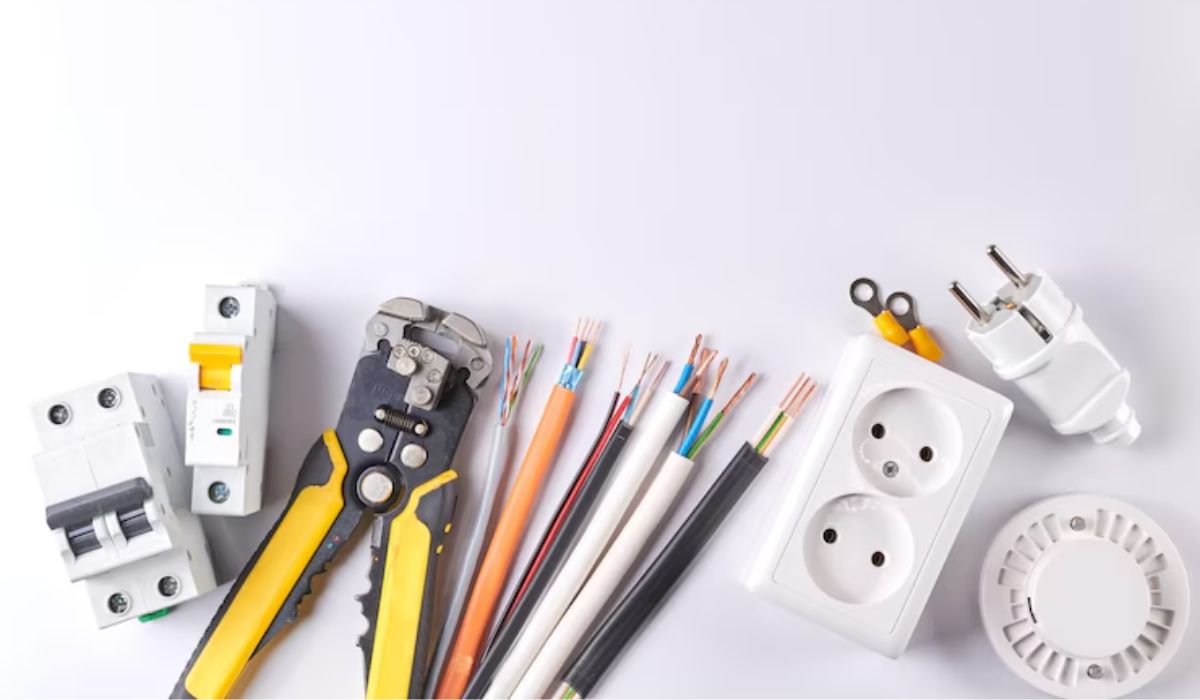
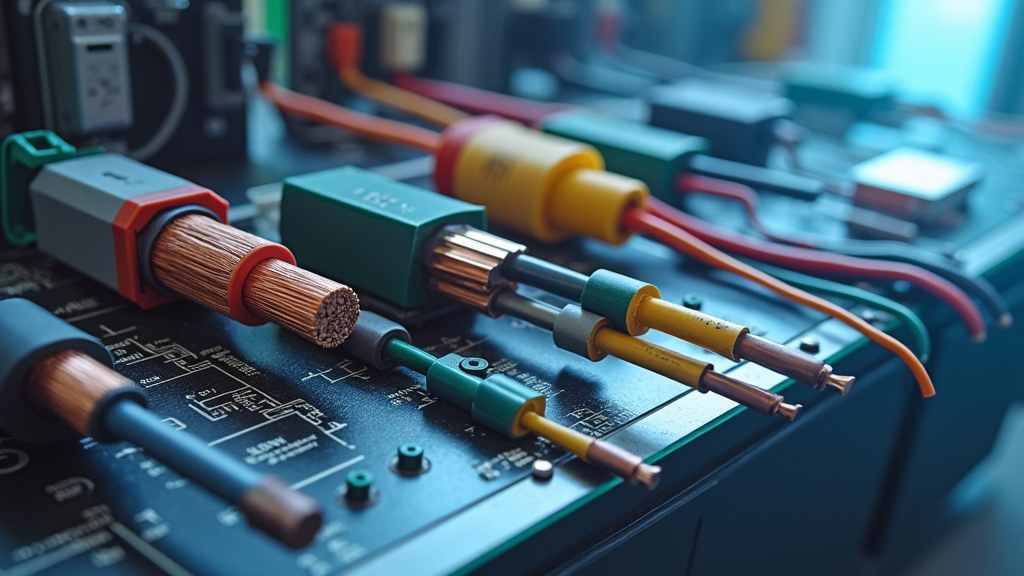
Wiring device adalah denotes any active or passive electrical component designed to carry, terminate, control, or consume electrical current within residential, commercial, or automotive architectures. According to National Electrical Code (NFPA 70 / NEC) standards, electrical devices must be rated explicitly for their maximum continuous load, voltage drop tolerances, and environmental exposure limits to prevent catastrophic thermal failure. Mastering the foundational mechanics of these devices ensures reliable current distribution across complex Home Electrical Wiring Diagrams and prevents intermittent system faults in mobile platforms.
Wiring Technical Snapshot:
- Core Focus: Direct regulation and termination of current through localized switches, outlets, relays, and loads.
- Target Scope: 12V/24V automotive harnesses and 120V/240V residential branch circuits.
- Key Recommendation: Always verify device amperage ratings against upstream overcurrent protection devices (fuses and circuit breakers) using a calibrated digital multimeter.
Core Principles and Detailed Overview
Wiring device adalah the fundamental point of control or utilization where electrons transition from circuit conductors to mechanical action, illumination, or data transmission. In both automotive 12V DC networks and household AC grids, these devices function as interfaces that maintain circuit integrity, lower contact resistance, and isolate faults when paired with accurate Wiring Diagram Basics. Technicians evaluate device performance by measuring voltage drop across terminals under load, ensuring that high-resistance junctions do not generate localized overheating or voltage starvation in sensitive electronic control modules.
Key Specifications and Breakdown
| Circuit / Terminal | Standard Wire Color / Gauge | Operational Role & Safety Check |
|---|---|---|
| 12V DC Accessory Power | Red (14 AWG) | Delivers switched power to auxiliary loads; verify zero continuity to ground before energizing. |
| 120V AC Branch Neutral | White (12 AWG) | Carries returning current back to the service panel; check for zero stray voltage using a true-RMS meter. |
| Automotive Chassis Ground | Black (10 AWG) | Provides low-resistance return path to battery negative; measure terminal resistance below 0.1 ohms. |
Electrical installations must comply with strict thermal and ampacity limits to prevent insulation breakdown and electrical fires — National Fire Protection Association (NFPA)
Step-by-Step Practical Application and Guidelines
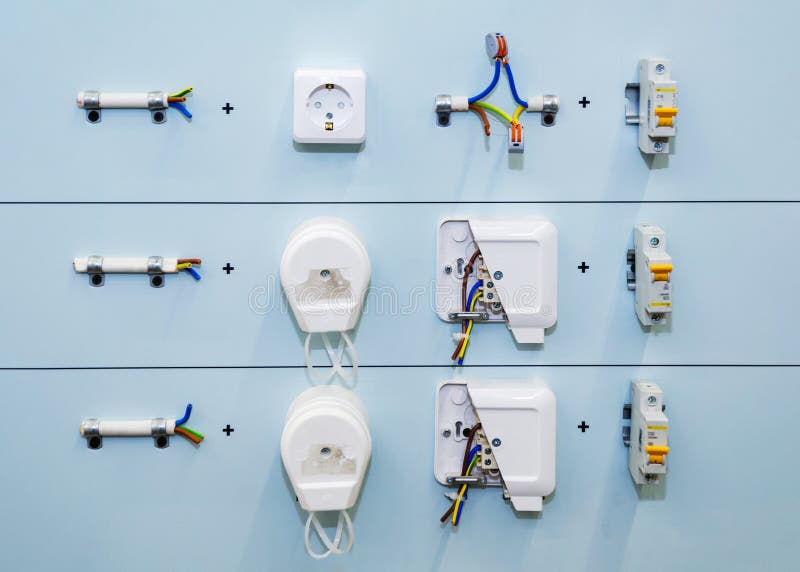
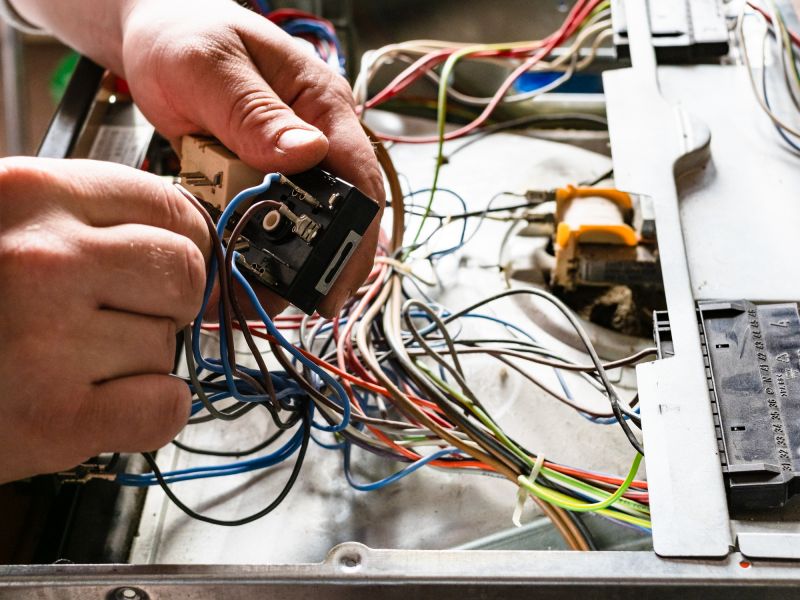
Wiring device adalah installation requires a systematic methodology beginning with complete circuit isolation and lock-out/tag-out verification. Technicians must strip wire insulation precisely to manufacturer specifications, avoiding strand nicking that reduces current-carrying capacity, and torque screw terminal connections to exact inch-pound specifications using a calibrated torque screwdriver. When integrating components into mobile platforms, referencing specific Vehicle Wiring Diagrams ensures proper polarity, pinout configuration, and signal routing without inducing electromagnetic interference into neighboring communication busses.
Common Challenges and How to Avoid Them
Wiring device adalah failures typically stem from loose mechanical terminations, corrosion in high-humidity automotive environments, and mismatched wire gauge-to-terminal sizing. Diagnostic technicians combat intermittent faults by performing voltage drop tests across switches and connectors while the circuit operates under a heavy functional load. Utilizing proper heat-shrink terminals, dielectric grease on outdoor connections, and adhering strictly to systematic Wiring Troubleshooting protocols eliminates costly diagnostic guesswork and prevents recurring component burnout.
💬 Frequently Asked Questions
Explore More Wiring Diagrams and Schematics on ReadWires
Access comprehensive diagnostic schematics, connector pinouts, and system layouts across diverse applications by visiting the central library at ReadWires.com. Whether servicing complex industrial machinery, diagnosing automotive multiplex systems, or planning residential upgrades, thorough documentation remains the cornerstone of safe and efficient electrical work.
Wiring Diagram Schematics & Details