Introduction
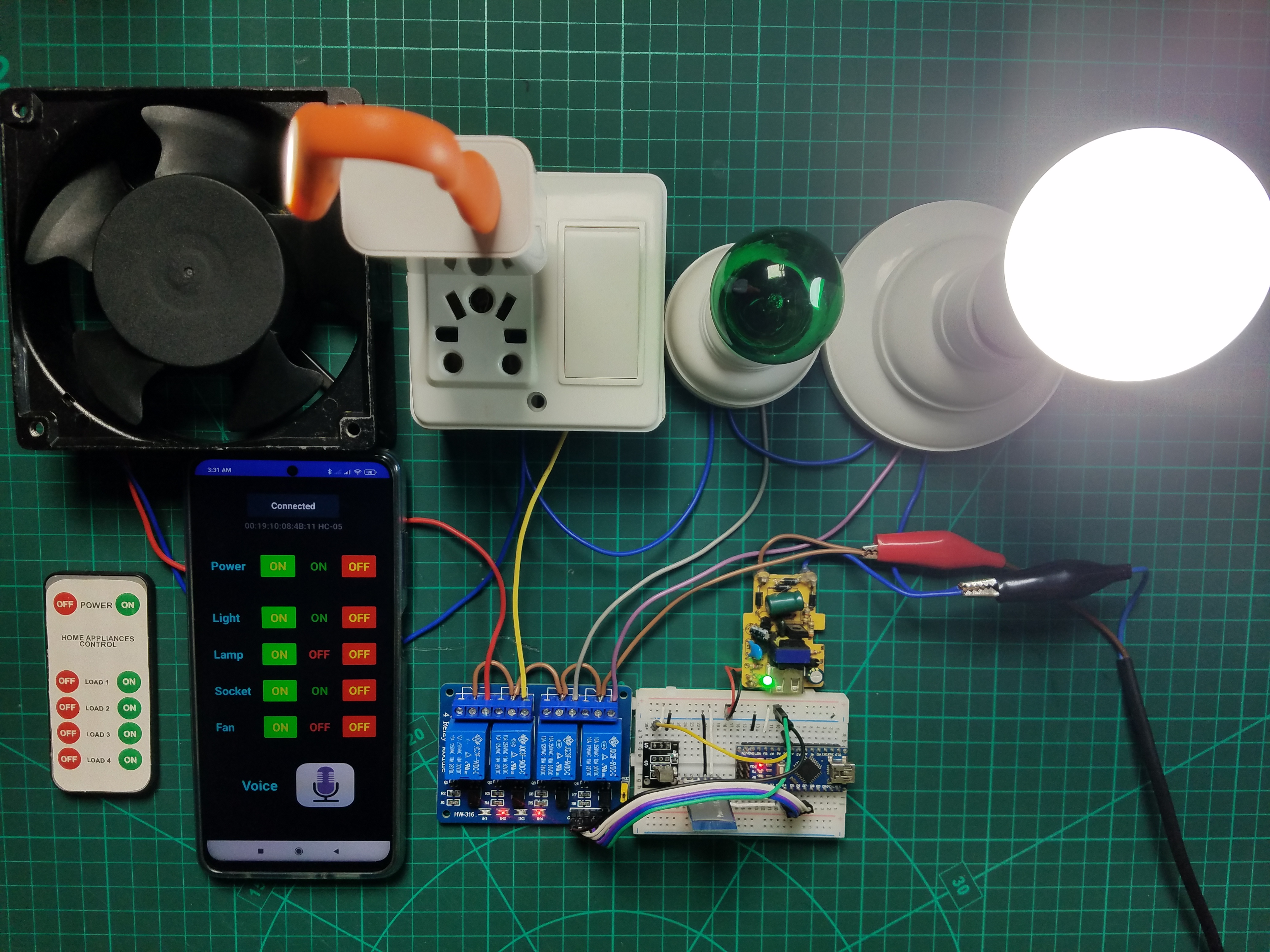
Home appliance control using android application refers to the systematic integration of mobile-driven microcontrollers and solid-state switching relays to interface mobile operating systems with 120V AC household lines or 12V/24V DC automotive electrical architecture. According to IEEE Electrical Safety Standards, low-voltage control circuits must maintain physical isolation from high-voltage mains to prevent catastrophic ground faults and operator shock hazards. Integrating smartphones into legacy switching loops requires meticulous adherence to established Home Electrical Wiring Diagrams to ensure terminal integrity and prevent load-side overcurrent conditions during wireless command execution.
Wiring Technical Snapshot:
- Core Focus: Home appliance control using android application via microcontrollers, Wi-Fi/Bluetooth modules, and electromechanical relays.
- Target Scope: Applied low-voltage control wiring for automotive accessories, mobile workshops, and residential smart-switching retrofits.
- Key Recommendation: Always verify optocoupler isolation on interface boards before pairing mobile control signals with high-amperage terminal blocks.
Core Principles and Detailed Overview
Home appliance control using android application relies on bridging wireless transmission protocols—such as Bluetooth Low Energy (BLE), Wi-Fi, or Zigbee—with physical relay input terminals that govern current flow through specific circuit legs. Diagnostic verification begins by mapping out the target schematic within a comprehensive Relay and Component Wiring Diagrams framework to identify coil trigger voltage, normally open (NO) contacts, and common ground paths. Technicians utilize digital multimeters to measure continuity across circuit traces, ensuring that signal attenuation or voltage drops remain within acceptable operating thresholds before mounting mobile-compatible automation hardware into standard junction boxes or custom vehicle dash panels.
Key Specifications and Breakdown
| Circuit / Terminal | Standard Wire Color / Gauge | Operational Role & Safety Check |
|---|---|---|
| DC Control Feed (VCC) | Red / 18 AWG | Delivers regulated 5V or 12V operational power to the microcontroller. Verify with DC voltmeter. |
| Logic Ground (GND) | Black / 18 AWG | Provides common reference potential for mobile interface boards. Check for zero resistance to chassis/earth ground. |
| High-Voltage Load (AC/DC) | Black/White / 14 AWG | Carries switched appliance current through relay contacts. Inspect insulation rating and terminal torque. |
Electrical circuits interfacing microcontrollers with household appliances must incorporate listed overcurrent protection devices and verified physical barrier insulation to eliminate shock risks — Electrical Safety Foundation International (ESFI)
Step-by-Step Practical Application and Guidelines
Executing home appliance control using android application safely requires isolating the power source, stripping wire ends to precise lengths, and crimping insulated ring terminals for secure mechanical retention under screw clamps. Technicians must first isolate the target circuit at the main breaker panel or disconnect the automotive battery negative terminal. Following standard Appliance and Device Wiring procedures, the smartphone interface module receives power through a dedicated step-down converter, while the relay output module interrupts the live leg of the target appliance. After establishing all physical connections, continuity testing confirms that no stray copper strands bridge low-voltage logic traces with high-voltage alternating current terminals prior to initial system power-up.
Common Challenges and How to Avoid Them
Home appliance control using android application often fails due to electromagnetic interference (EMI) generated by inductive appliance motors, which can inject voltage spikes into delicate microcontroller logic pins. Systematic Wiring Troubleshooting practices dictate the installation of flyback diodes across DC relay coils and snubber circuits across AC inductive loads to suppress voltage transients. Technicians must also verify that wireless pairing credentials remain stable and that power supply ripple voltages do not exceed five percent, preventing unexpected microcontroller reboots during high-draw appliance startup cycles.
💬 Frequently Asked Questions
Explore More Wiring Diagrams and Schematics on ReadWires
Mastering complex automation projects requires access to accurate, standardized documentation across multiple electrical domains. Technicians and DIY enthusiasts can expand their diagnostic capabilities by reviewing specialized schematics found within the Networking and Communication Wiring Diagrams and Vehicle Wiring Diagrams archives. Visit ReadWires.com to access a comprehensive library designed for precise electrical troubleshooting and custom wiring installations.
Visual Reference Gallery