
Introduction
Digital coloring pages crayola represent internet-based artistic templates and creative printables accessed through web browsers on school-issued devices and personal computers. According to the Family Online Safety Institute (FOSI), proactive parental and educational oversight regarding minor online activities ensures balanced screen utilization and mitigates exposure to malicious domains disguised as benign creative resources. Educational environments frequently integrate these digital art materials to foster fine motor development in younger populations and support structured transitions for students navigating Internet and Digital Safety protocols. Recognizing how seemingly harmless art searches intersect with digital risks remains essential for protecting school networks, maintaining hardware integrity, and cultivating mindful screen habits across all grade levels.
Digital Safety Snapshot:
- Core Focus: Safe browsing practices for online art resources and creative printables.
- Target Scope: Educational facilities, home networks, and student-managed devices.
- Key Recommendation: Restrict image searches to vetted institutional Worksheets repositories rather than unvetted consumer portals.
Core Principles and Detailed Overview
Unregulated web searches for coloring pages crayola frequently expose student devices to malicious pop-ups, phishing advertisements, and aggressive data tracking scripts hidden on unofficial third-party websites. Maintaining a secure digital footprint requires educators and families to direct students toward official brand domains or managed institutional portals rather than random search engine results. When children navigate unmonitored links, risks involving accidental malware downloads, unauthorized data harvesting, and inappropriate advertising exposure increase substantially. Implementing strict content filters ensures that creative tasks like digital coloring remain isolated from predatory online marketing and hazardous hyperlink redirections.
Key Specifications and Breakdown
| Safety Pillar | Digital Risk Factor | Actionable Protective Habit |
|---|---|---|
| Domain Trust | Malicious look-alike URLs hosting adware | Bookmark official brand pages directly on student browsers |
| Data Privacy | Third-party tracking cookies collecting minor profiles | Enforce strict browser privacy settings and disable ad-tracking |
| Classroom Balance | Excessive screen fatigue during instructional hours | Alternate digital rendering with physical media resources |
Proactive Domain Verification and Content Filtering Standards — Cybersecurity & Infrastructure Security Agency (CISA)
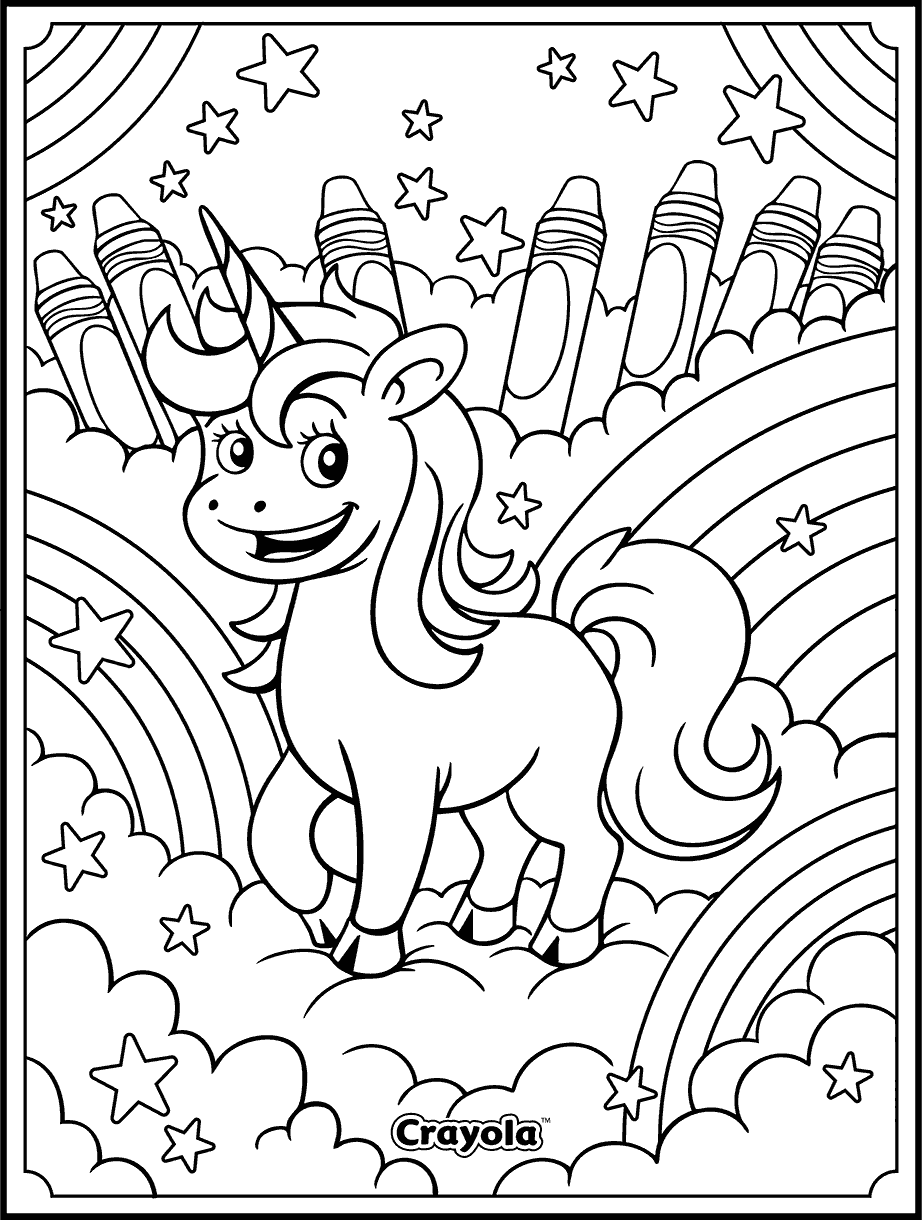
Printable Coloring Page Previews




Step-by-Step Practical Application and Guidelines
Securing student devices during creative online sessions involves establishing verified navigational boundaries and teaching foundational media literacy. Administrators and educators should prepopulate student browser bookmarks with approved educational links to prevent accidental detours into unsafe domains. Furthermore, integrating structured Online and Digital Safety lessons empowers middle school students to independently identify suspicious pop-up windows, phishing traps, and deceptive download buttons masquerading as free art content. Consistent oversight guarantees that digital creativity stays contained within safe, age-appropriate digital ecosystems.
Common Challenges and How to Avoid Them
Overlooking the hidden security threats embedded within unvetted consumer art sites often leads to accidental malware installation and compromised school network integrity. Educators frequently encounter students utilizing personal accounts to bypass web filters in search of unregulated entertainment media. Preventing these vulnerabilities demands continuous monitoring of browser extension installations and active enforcement of acceptable use policies across every deployed classroom hardware unit. Cultivating open discussions regarding why certain third-party sites are restricted helps students develop internal hazard detection skills.
💬 Frequently Asked Questions
Explore More Kids Safety and Digital Citizenship Guides on SafeWiredSchools


