Introduction
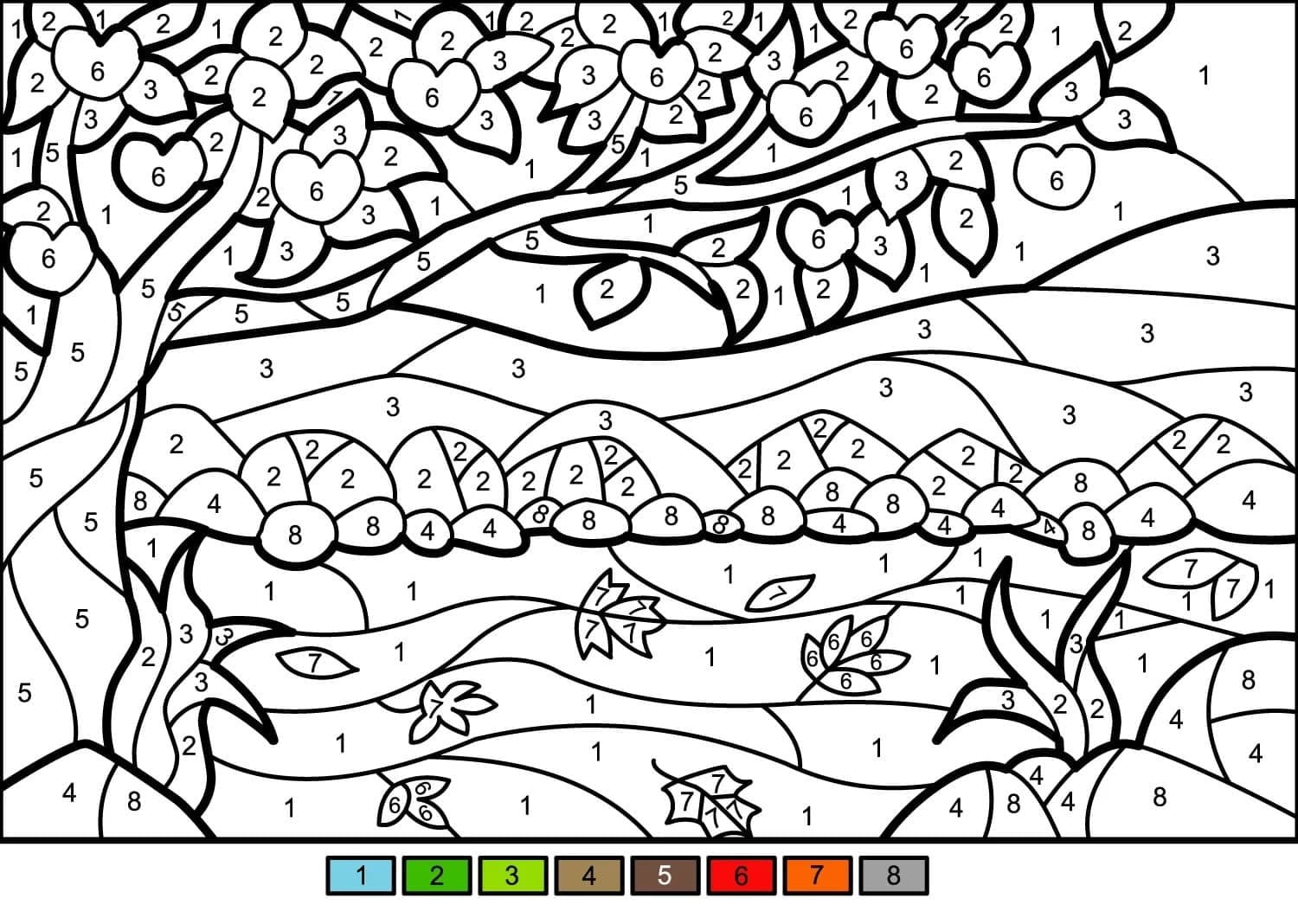
Coloring pages color by number refer to structured, numbered pixel-art or grid-based activities frequently accessed by students across digital and physical mediums. According to ConnectSafely, digital literacy frameworks must address how seemingly benign online tasks like interactive browser worksheets intersect with data privacy, device tracking, and screen fatigue. Educators and parents utilize these low-stress activities to foster offline-online balance while remaining vigilant regarding browser extensions, unvetted web applications, and safe classroom technology habits.
Digital Safety Snapshot:
- Core Focus: Safe integration of interactive coloring pages color by number within educational environments.
- Target Scope: Middle school students, teachers, school administrators, and supervising parents.
- Key Recommendation: Enforce strict browser extensions audits and promote analog-digital activity rotation.
Core Principles and Detailed Overview
Coloring pages color by number serve as cognitive transition tools that help students regulate focus without exposing educational environments to heavy tracking scripts often embedded in free online gaming portals. Digital citizenship specialists evaluate these browser-based tasks through the lens of device hygiene, ensuring that URL shortcuts do not redirect pupils to malvertising or phishing landing pages. Integrating structured tasks from authorized platforms such as Coloring Pages allows schools to mitigate cyber vulnerabilities while maintaining engaging, low-bandwidth academic stimulation.
Key Specifications and Breakdown
| Safety Pillar | Digital Risk Factor | Actionable Protective Habit |
|---|---|---|
| Data Privacy | Third-party trackers on free web portals | Utilize ad-blockers and vetted educational repositories |
| Device Hygiene | Malicious browser extensions via flash links | Enforce strict IT white-listing for school-issued devices |
| Screen Balance | Digital fatigue and prolonged sedentary posture | Alternate pixel art tasks with physical Worksheets |
Educational institutions must prioritize foundational device hygiene and verify all third-party web tools to safeguard student digital footprints and prevent tracking vulnerabilities. — Cybersecurity & Infrastructure Security Agency (CISA)
Step-by-Step Practical Application and Guidelines
Protecting student workflows requires establishing standardized protocols for accessing digital art activities and interactive browser tools. Administrators and teachers should curate approved resource directories, guiding students away from unverified search engine results that frequently host malicious pop-ups. Pairing online tasks with structured guidance on Online and Digital Safety ensures young learners recognize suspicious redirection attempts and understand basic cyber hygiene before interacting with browser-based media.
Common Challenges and How to Avoid Them
Unregulated access to web-based coloring interfaces frequently exposes students to aggressive behavioral advertising and deceptive pop-ups disguised as game updates. Educators eliminate these vectors by disabling third-party cookies on school terminals, restricting student browser permissions, and utilizing offline-first alternatives whenever feasible. Maintaining transparent communication channels regarding Internet and Digital Safety empowers middle school students to report unexpected redirects or abnormal browser behavior immediately.
💬 Frequently Asked Questions
Explore More Kids Safety and Digital Citizenship Guides on SafeWiredSchools
Empowering school communities with comprehensive digital safety frameworks remains vital for protecting student privacy and fostering positive online habits. Continuous professional development, evidence-based instructional strategies, and proactive device management form the backbone of a secure learning environment. Discover additional expert resources, curriculum tools, and safety policies by visiting Safe Wired Schools.
Printable Coloring Page Previews