Introduction
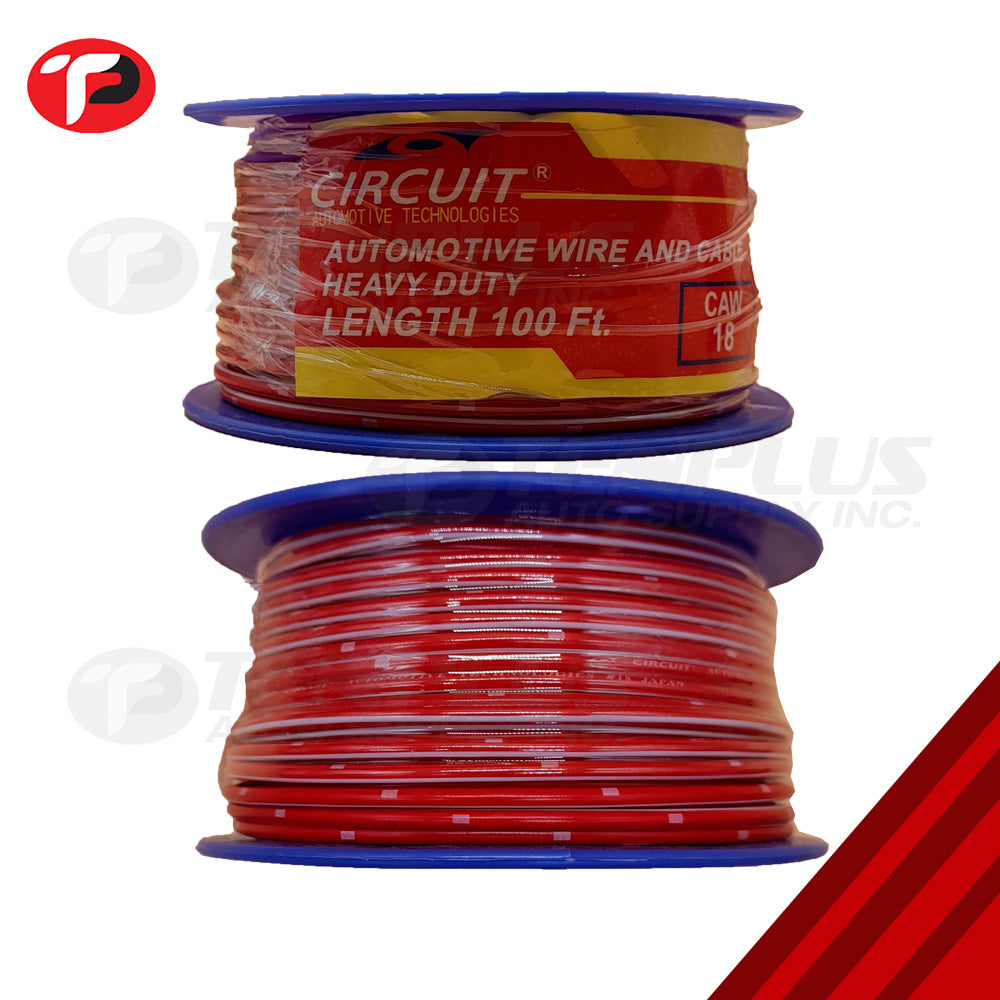
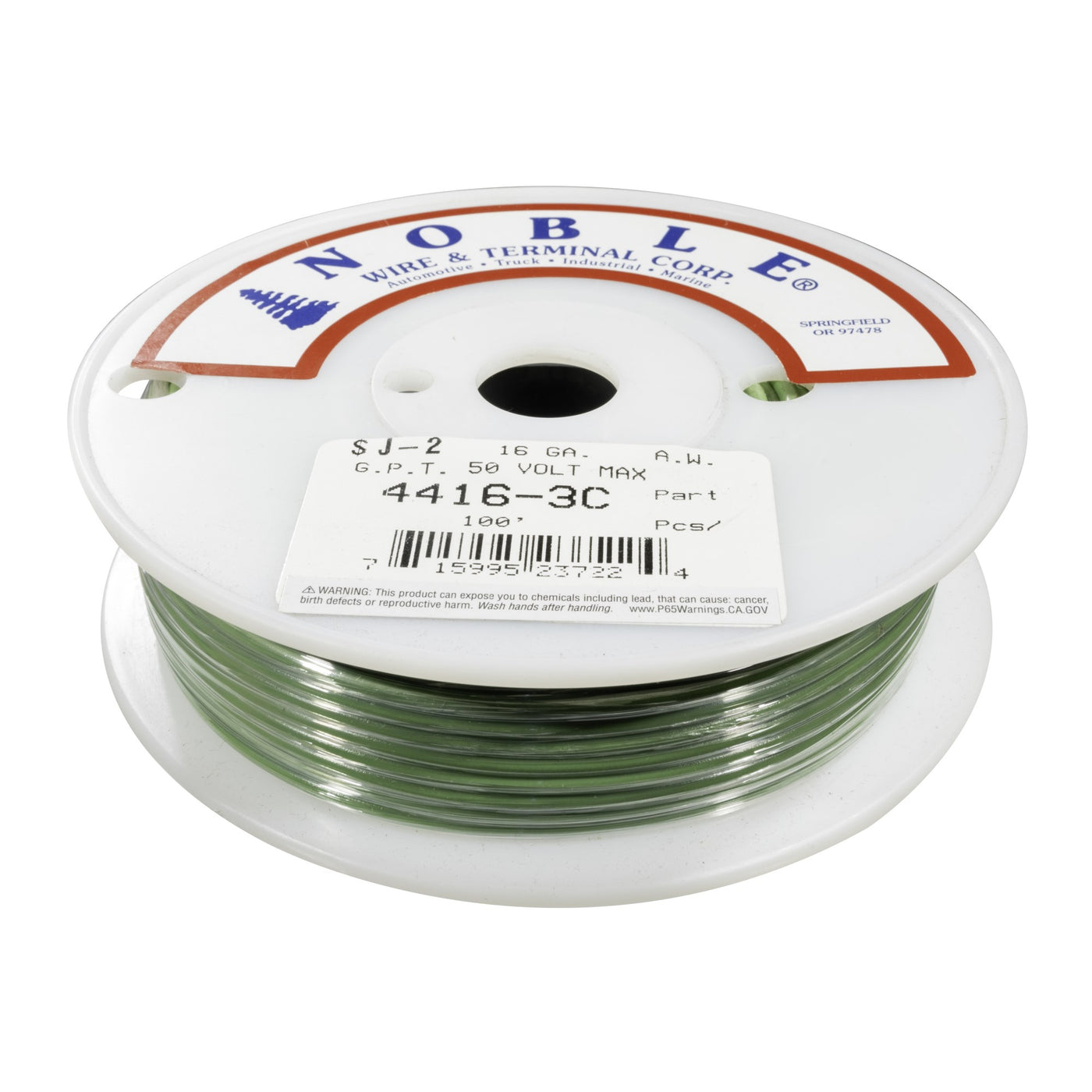
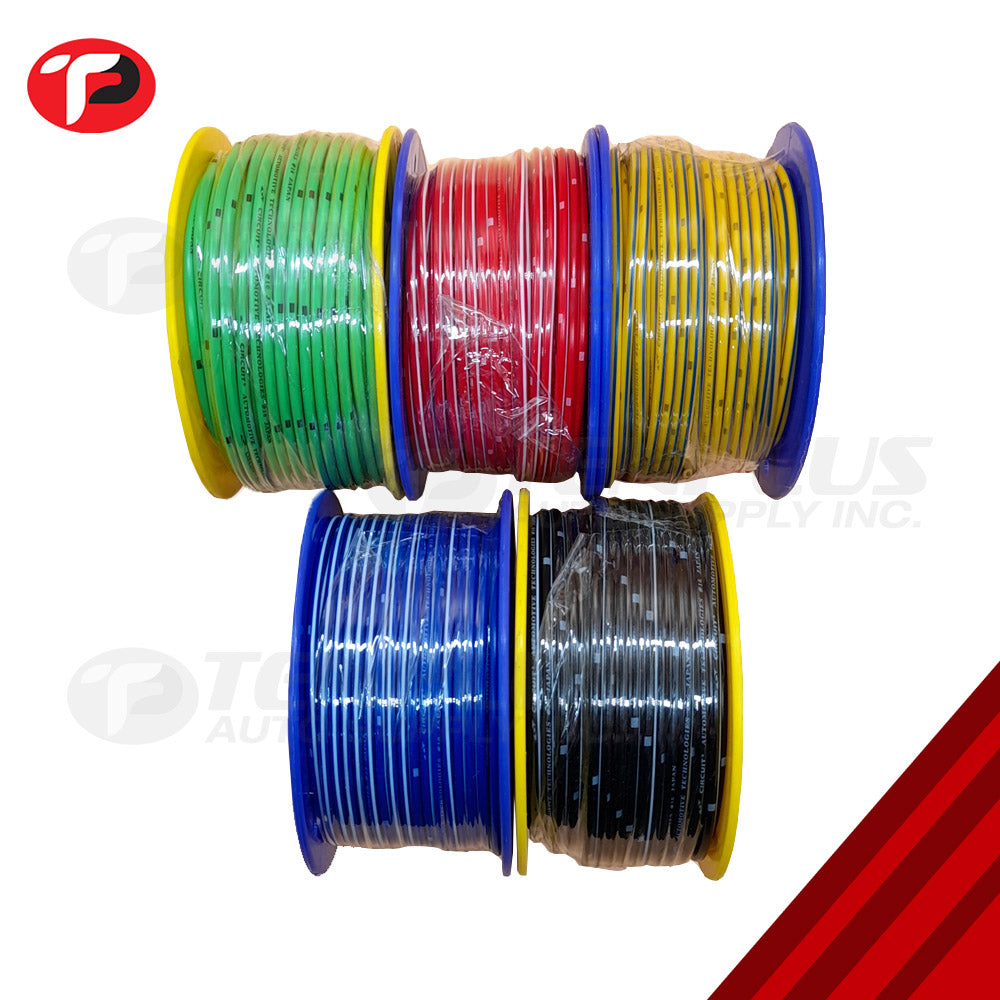
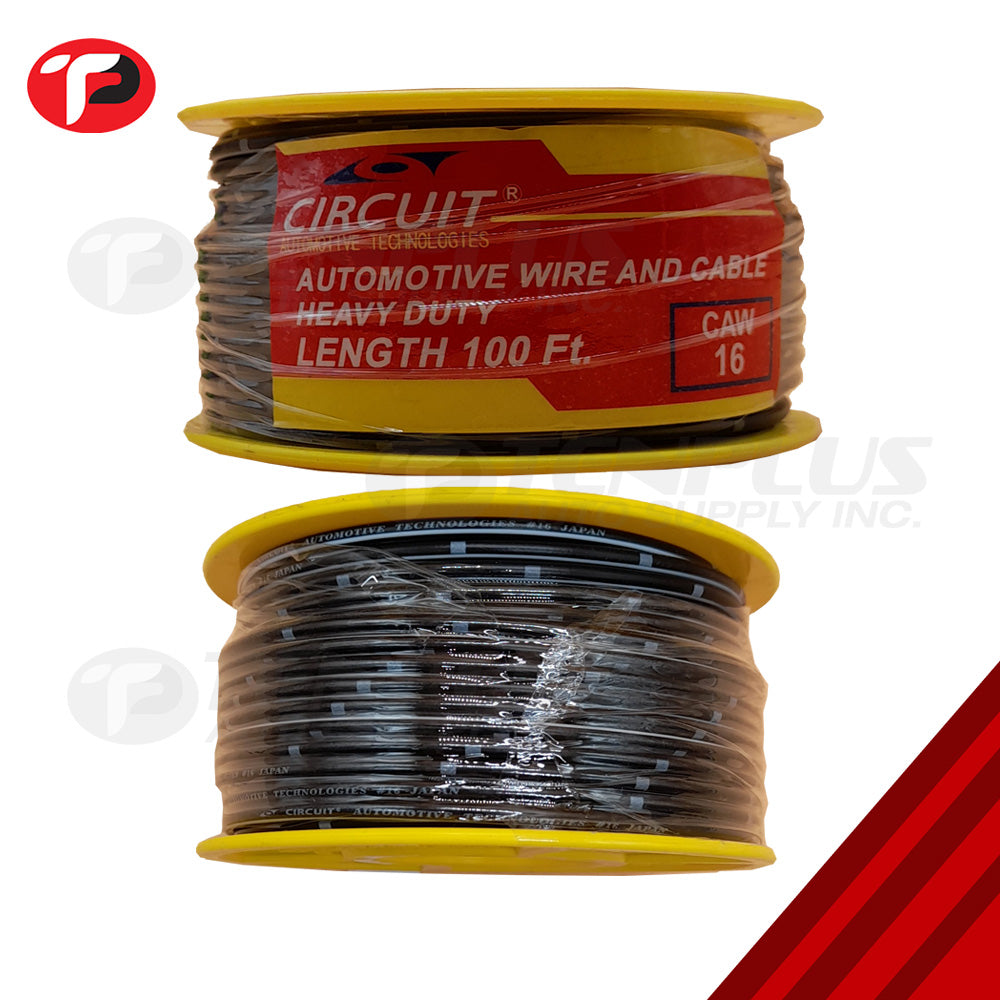
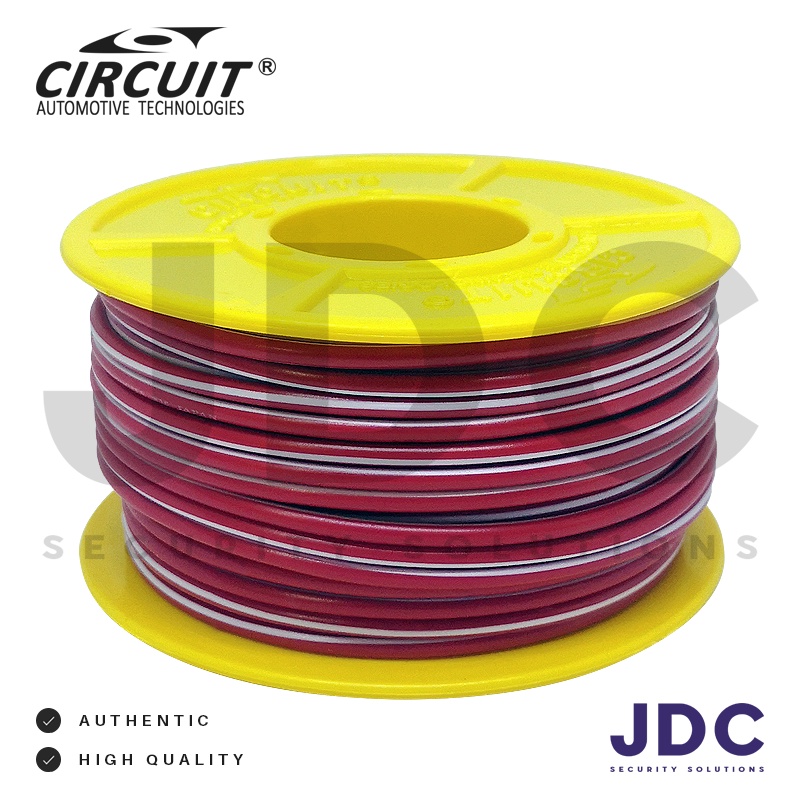
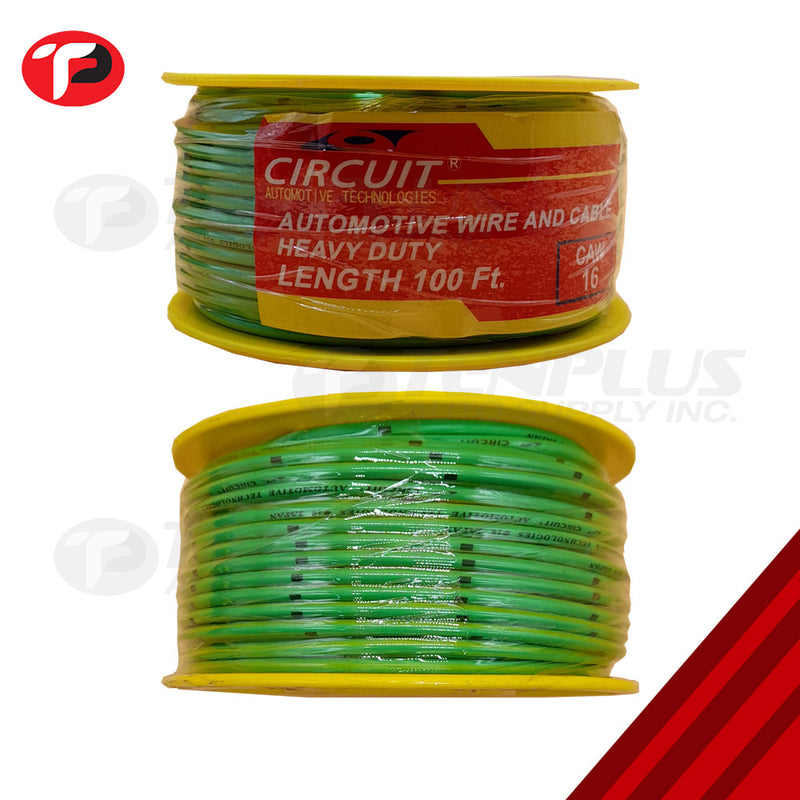
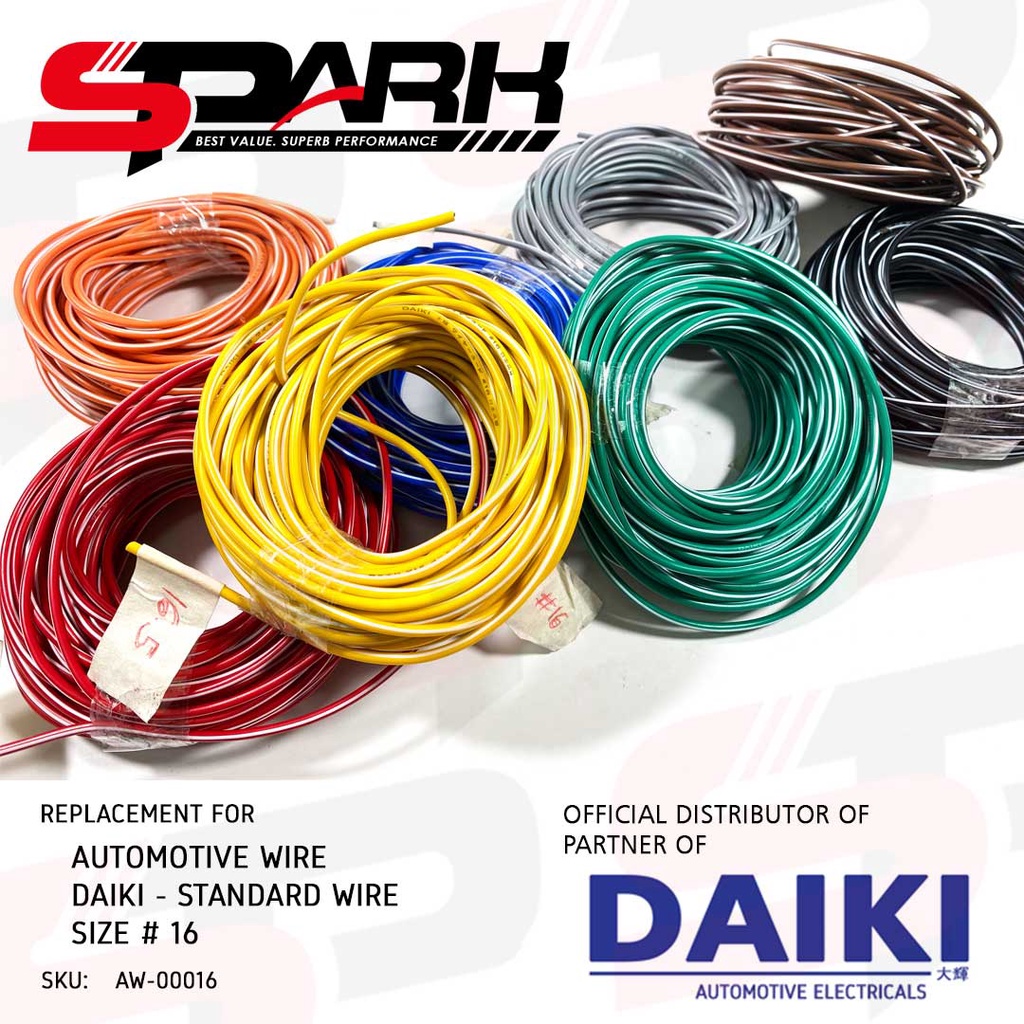
Automotive wire no 16 refers to a 16-gauge American Wire Gauge (AWG) electrical conductor engineered specifically for low-voltage automotive and mobile electrical systems. According to SAE J1128 automotive wiring standards, standard 16 AWG GPT or GXL copper wire is rated for a nominal voltage of 50 volts DC or less, supporting moderate current loads safely within engine compartments and passenger cabins. Understanding this conductor’s technical capacities prevents thermal overload, voltage drop, and electrical failure across complex harnesses. Interpreting schematics involving this wire gauge requires precision, particularly when cross-referencing Vehicle Wiring Diagrams to isolate power feeds, sensor signals, and relay triggers. Technicians and DIY builders rely on this wire size for auxiliary lighting, instrumentation circuits, and aftermarket accessories where space-saving flexibility intersects with reliable current-carrying capability.
Wiring Technical Snapshot:
- Core Focus: 16 AWG stranded copper wire designed for 12V and 24V automotive circuits.
- Target Scope: Medium-draw components, sensor signals, auxiliary switches, and low-amperage relays.
- Key Recommendation: Always verify maximum continuous amp draw and circuit length before running terminal terminations.
Core Principles and Detailed Overview
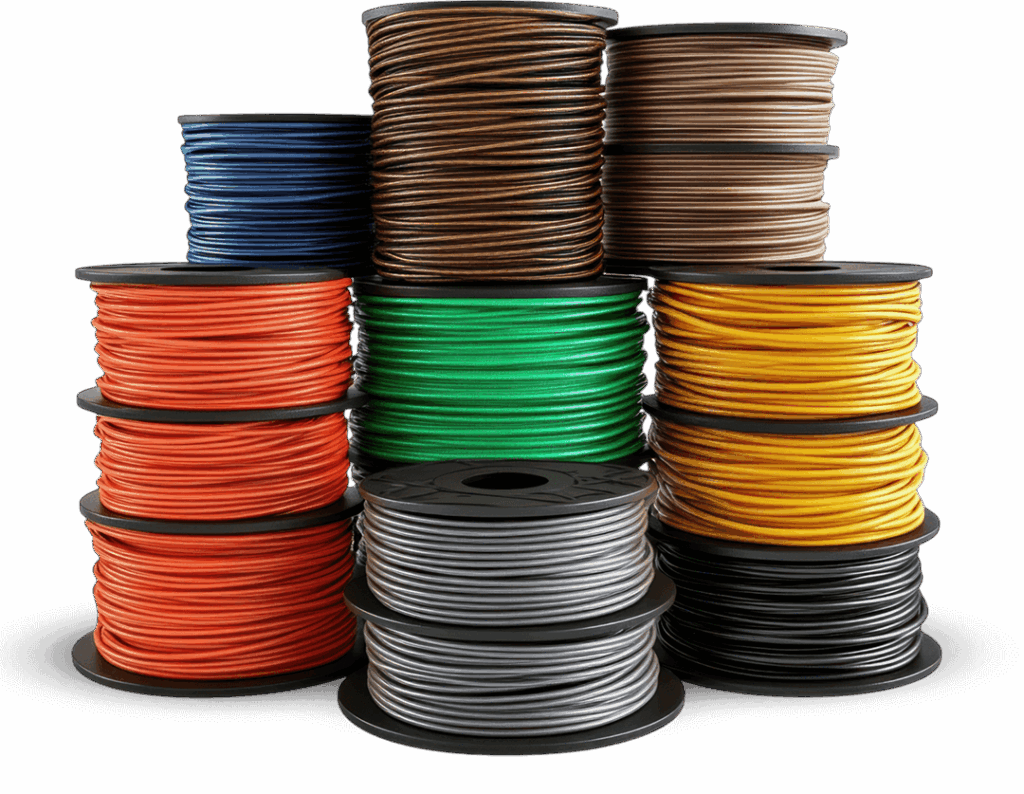
Automotive wire no 16 delivers an optimal balance of flexibility and ampacity for medium-current circuits operating in harsh vehicular environments. When tracing power distribution through Relay and Component Wiring Diagrams, recognizing the physical attributes of 16 AWG stranded copper prevents improper sizing errors. Unlike solid core wire used in stationary home setups, automotive conductors use fine multi-strand bare or tinned copper bundles to absorb constant mechanical vibration without metal fatigue. Insulation types such as PVC (GPT), cross-linked polyethylene (GXL), or thin-wall ETFE (TXl) protect against high under-hood thermal exposure, abrasion, automotive fluids, and electrochemical degradation. Proper diagnostic methodology demands checking voltage drop across these runs using a digital multimeter under active load to ensure resistance remains within acceptable manufacturer tolerances.
Key Specifications and Breakdown
| Circuit / Terminal | Standard Wire Color / Gauge | Operational Role & Safety Check |
|---|---|---|
| Auxiliary Lighting Feed | 16 AWG (Red / Black) | Carries up to 10–15 amps over short runs; verify fuse sizing matches conductor limits. |
| Sensor Signal Harness | 16 AWG (Shielded / Striped) | Transmits low-voltage reference data; inspect for continuity and insulation cracks. |
| Relay Control Trigger | 16 AWG (Blue / Yellow) | Activates high-current electromagnetic coils; test coil resistance and switch voltage drop. |
Electrical conductors in mobile machinery must maintain proper insulation ratings and physical protection to prevent short circuits from vibration-induced chafing and thermal cycling — National Fire Protection Association (NFPA). Related guide: Electric Fence Guidelines.
Step-by-Step Practical Application and Guidelines
Executing clean installations with automotive wire no 16 requires precise stripping, crimping, and sealing techniques to guarantee long-term joint integrity. The process begins by stripping exactly the correct length of insulation without nicking the fine copper strands, exposing bright metal ready for mechanical connection. Inserting the stripped conductor into a heat-shrink butt connector or terminal eyelet and applying pressure with a calibrated ratchet crimper ensures gas-tight physical contact. Applying localized heat activates the integrated adhesive lining inside dual-wall heat-shrink tubing, sealing the junction against moisture, road salt, and oxidation. Following systematic Wiring Troubleshooting procedures during final testing validates that circuit resistance stays minimal and operating temperatures remain cool to the touch during peak load tests.
Common Challenges and How to Avoid Them
Overfusing circuits constructed with automotive wire no 16 remains the primary cause of thermal insulation breakdown and vehicle electrical fires. Because 16 AWG wire safely handles specific current limits depending on bundle size and ambient temperature, installing an oversized fuse defeats the protective barrier designed to shield the conductor from pulling excessive amperage. Another common pitfall involves using non-weatherproof household wire connectors instead of automotive-grade components, which quickly corrode when exposed to under-hood moisture and road chemicals. Technicians should consult Wiring Diagram Basics to confirm ground paths, load requirements, and circuit isolation before splicing new lines into factory harnesses, ensuring reliable performance across every diagnostic scenario.
💬 Frequently Asked Questions
Explore More Wiring Diagrams and Schematics on ReadWires
Mastering automotive electrical systems requires continuous access to accurate technical references, schematics, and diagnostic workflows. Professional technicians and enthusiastic hobbyists can expand their electrical knowledge by exploring comprehensive resources housed across ReadWires.com, ensuring every vehicle modification and repair meets strict industry standards for safety, reliability, and precision.
Visual Reference Gallery