Introduction
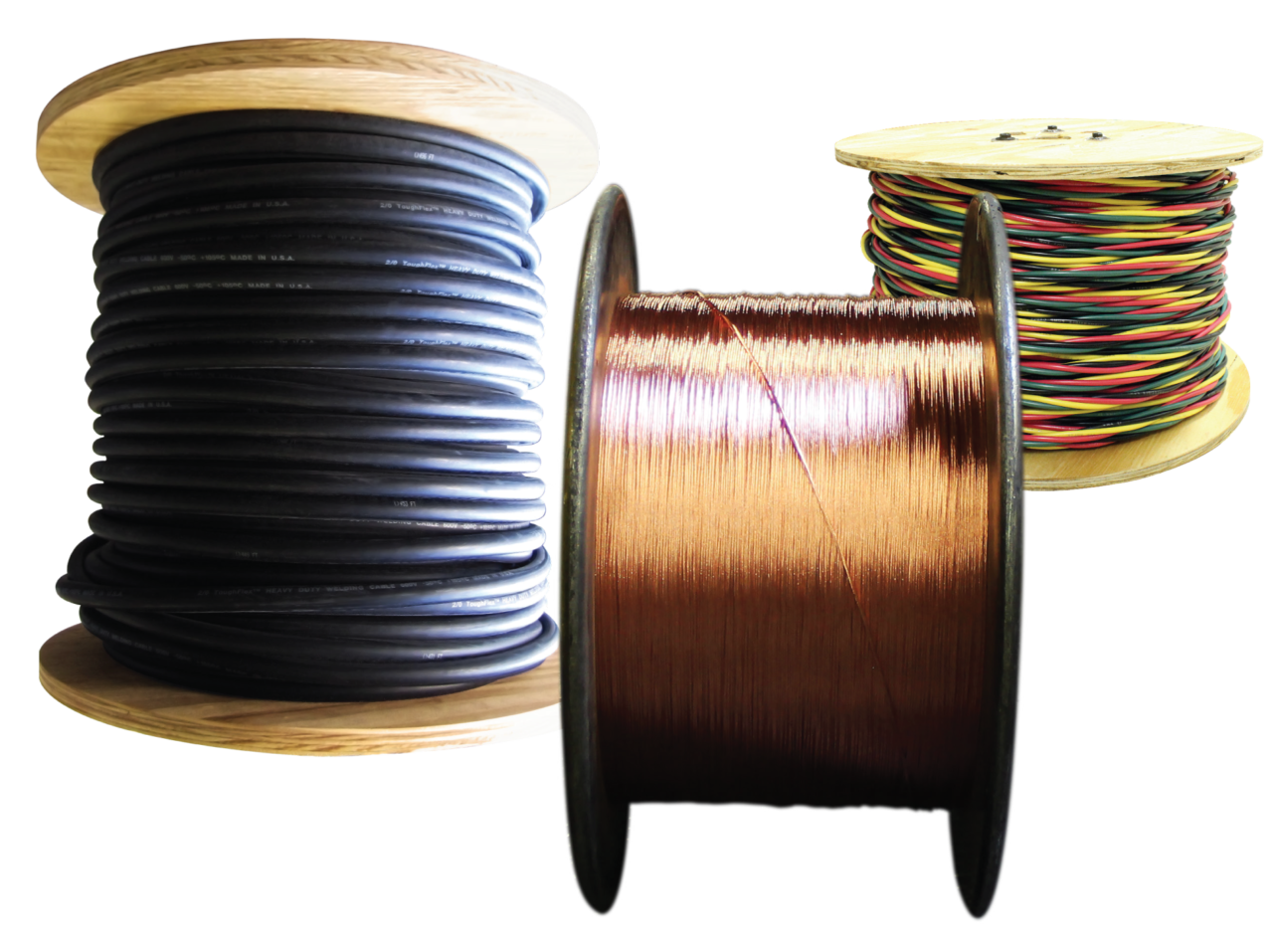
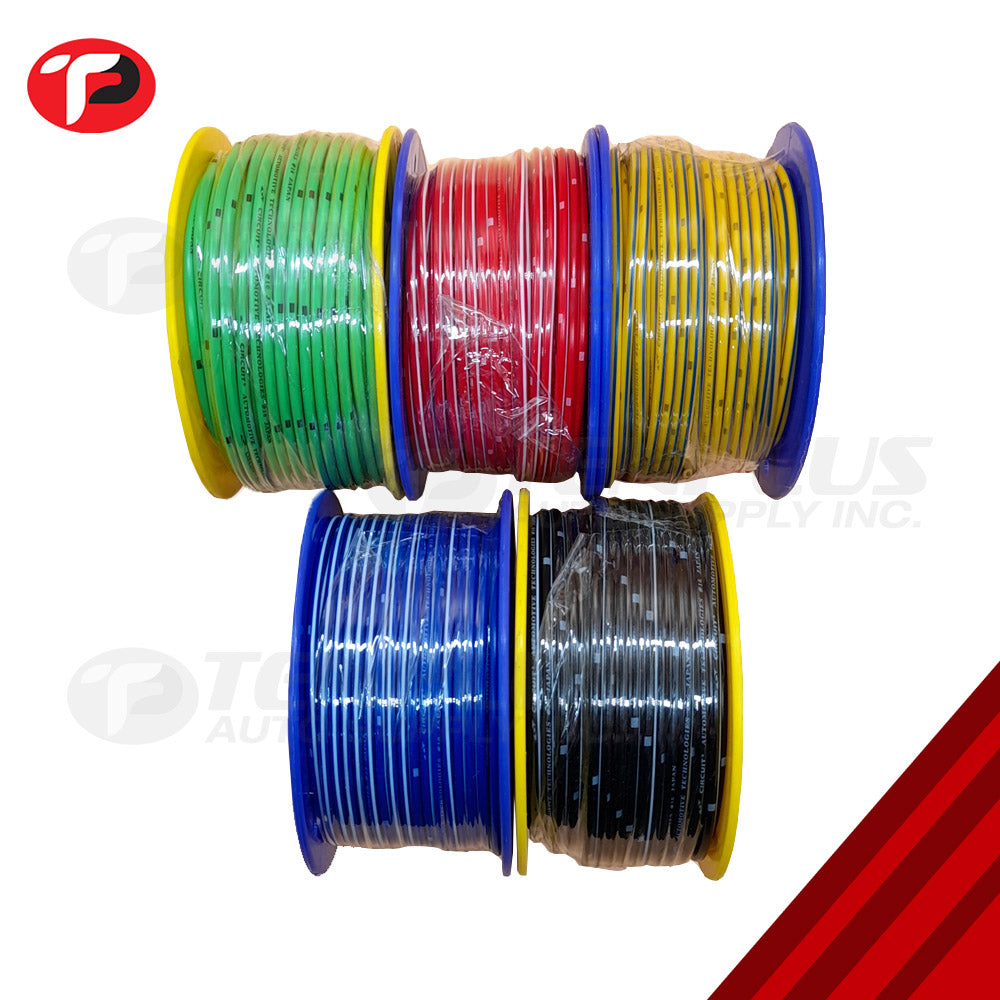
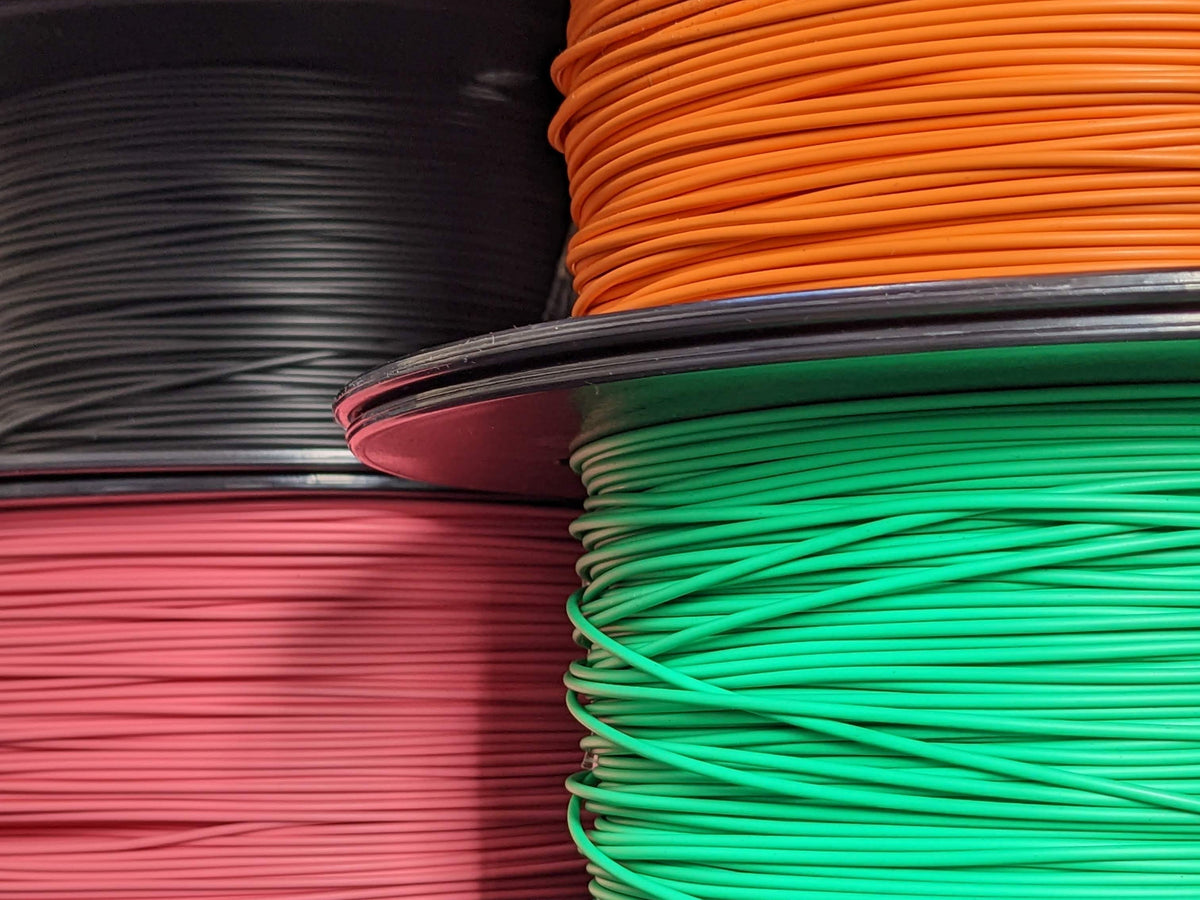
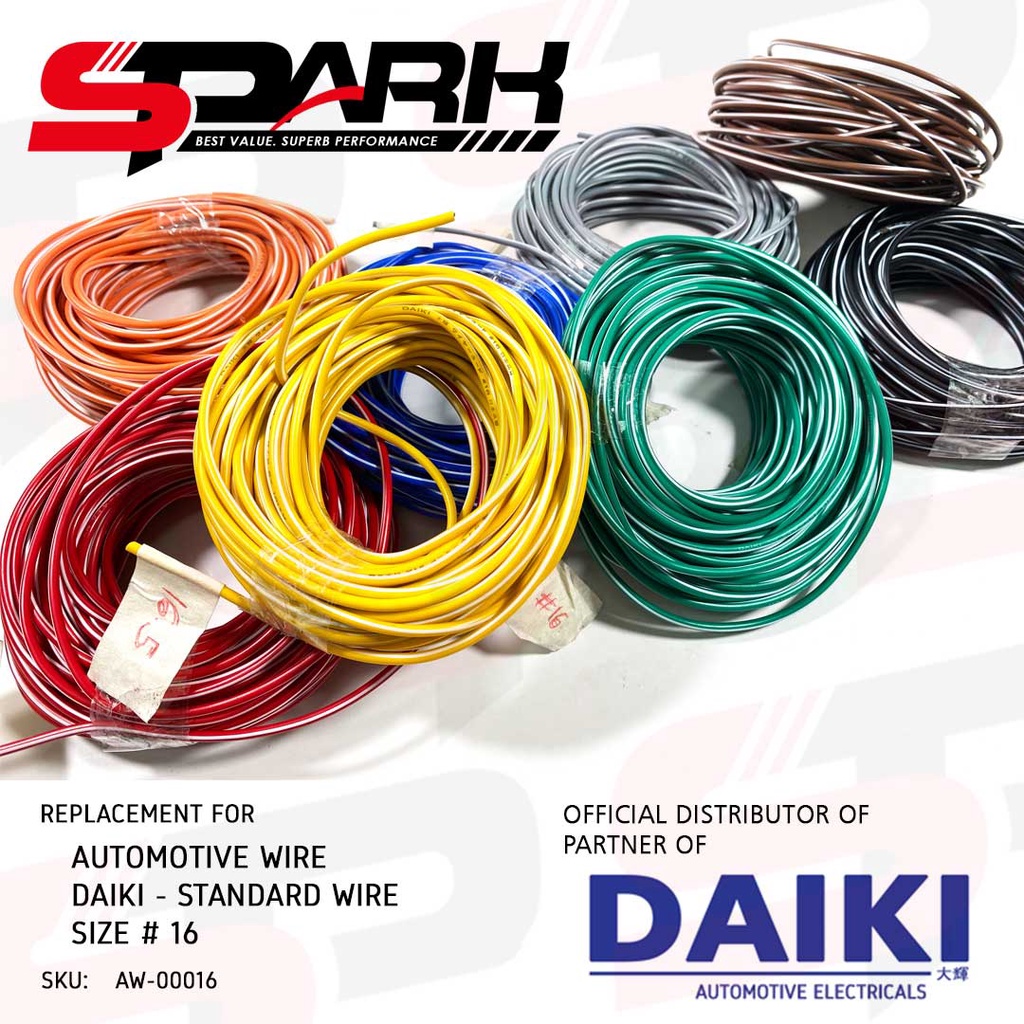
Automotive wire in bulk refers to continuous spools of low-voltage electrical cable—primarily specified in American Wire Gauge (AWG) sizes from 18 to 8—engineered specifically to withstand harsh under-hood environments, mechanical vibration, and thermal cycling. According to SAE International, automotive electrical cable designated for primary circuitry must comply with strict insulation standards such as SAE J1128, which dictates performance ratings for thermal endurance, chemical resistance, and abrasion tolerance. Purchasing spools in bulk allows technicians, electricians, and automotive enthusiasts to custom-fabricate wiring harnesses, repair damaged vehicle circuits, and integrate specialized accessories without splicing short segments. This guide covers the practical selection, installation, and diagnostic testing of bulk copper conductors utilized in mobile 12V and 24V electrical architectures. Related guide: Barbed Wire Indonesia.
Wiring Technical Snapshot:
- Core Focus: Selecting, spooling, and installing bulk automotive wire for custom harnesses and repairs.
- Target Scope: 12V and 24V DC automotive systems, accessory integrations, and restoration projects.
- Key Recommendation: Always utilize cross-linked polyethylene (XLPE) insulated wire to withstand high under-hood temperatures.
Core Principles and Detailed Overview
Bulk automotive wire selection requires matching conductor ampacity, strand count, and insulation type to the specific demands of vehicular electrical loads. Unlike residential solid-core wiring, automotive conductors consist of finely stranded bare or tinned copper, which maximizes flexibility and prevents fatigue failures caused by constant engine and chassis vibration. When laying out complex circuits referencing standard Vehicle Wiring Diagrams, determining the correct gauge prevents voltage drop and excessive thermal generation. Copper resistance dictates that longer circuit runs require heavier gauge (lower AWG number) wire to maintain nominal voltage at the end-device. Furthermore, understanding the interaction between wire insulation—such as GPT (General Purpose Thermoplastic) versus TXL (Thin Wall Cross-linked Polyethylene)—ensures that the harness survives exposure to gasoline, oil, battery acid, and extreme engine bay temperatures exceeding 125°C.
Key Specifications and Breakdown
| Circuit / Terminal | Standard Wire Color / Gauge | Operational Role & Safety Check |
|---|---|---|
| Battery Main Feed | Red / 8 AWG – 4 AWG | Carries high-amperage power from alternator/battery; verify continuity and zero voltage drop with a digital multimeter. |
| Chassis Ground | Black / 12 AWG – 10 AWG | Completes the negative return path to the battery; inspect for high resistance (<0.2 ohms) across bolted frame points. |
| Switched Ignition Accessory | Yellow or Blue / 16 AWG – 14 AWG | Energizes auxiliary control modules and relays; test circuit switching behavior using a fused jumper wire. |
Proper circuit protection, wire sizing, and insulation standards are mandatory to prevent catastrophic electrical fires in mobile equipment applications. — National Fire Protection Association (NFPA)
Step-by-Step Practical Application and Guidelines
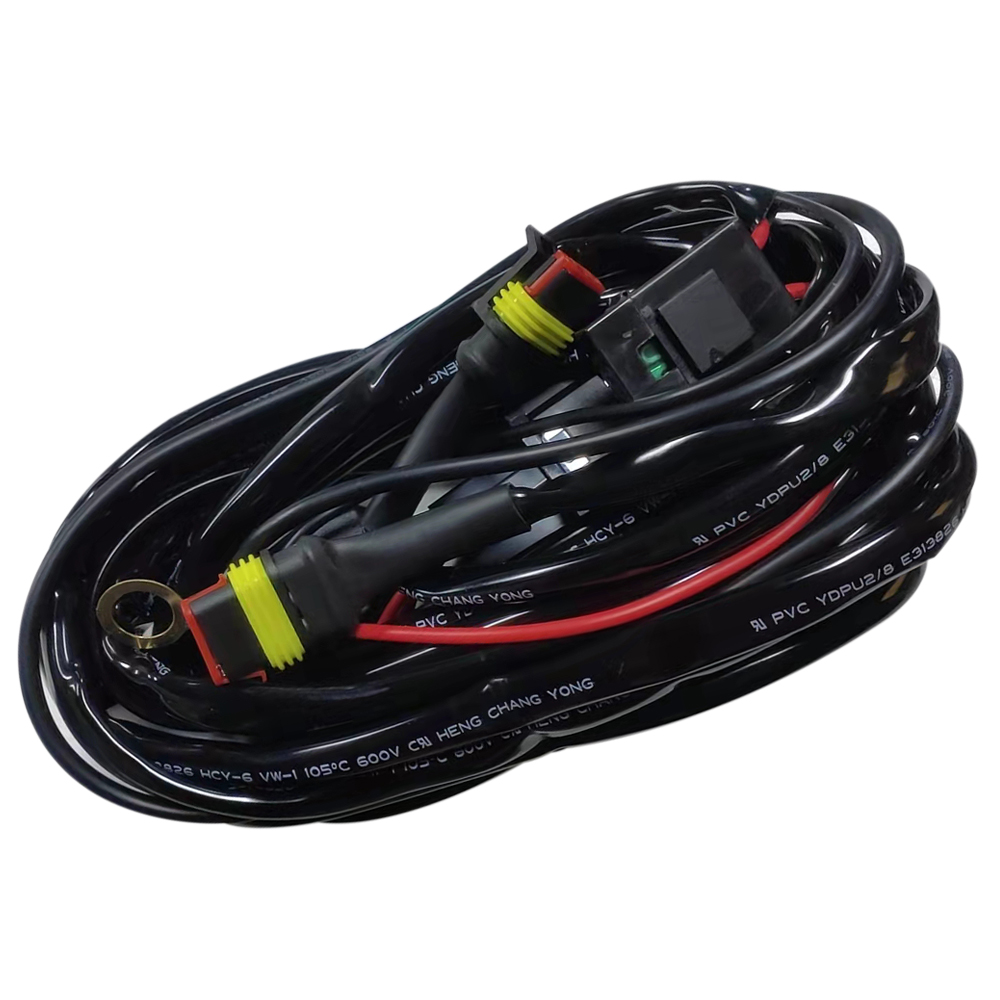
Implementing bulk wire into a restoration or custom build demands methodical planning, precise cutting, proper crimping, and meticulous circuit documentation. Begin by analyzing existing schematics or constructing a clear layout similar to templates found in Wiring Diagram Basics to map every run. Pull the required lengths from the bulk spools, leaving a ten percent service loop for strain relief at terminal ends. Strip precisely the correct length of insulation—typically matching the barrel depth of the terminal—using a calibrated wire stripper to avoid nicking the fine copper strands. Terminate the wire using ratchet-type crimp tools that apply uniform pressure, followed by sealing the connection with adhesive-lined heat shrink tubing to permanently lock out moisture and atmospheric oxidation.
Common Challenges and How to Avoid Them
Voltage drop, terminal corrosion, and improper gauge selection represent the most frequent pitfalls encountered when utilizing bulk automotive wire. Technicians often make the mistake of using standard household wire or cheap PVC-jacketed cable, which melts under high-underhood thermal loads and cracks when exposed to petroleum products. Always verify that bulk purchases specify compliant automotive-grade stranding and insulation ratings. When diagnosing erratic electrical behavior after harness construction, isolate intermittent faults by testing circuit resistance with a digital multimeter, paying close attention to crimp joints and ground connections. Integrating proper relay logic into heavy accessory runs, as detailed within Relay and Component Wiring Diagrams, protects switches from excessive current draw and extends overall circuit reliability.
💬 Frequently Asked Questions
Explore More Wiring Diagrams and Schematics on ReadWires
Mastering the installation of automotive wire in bulk empowers technicians and builders to construct reliable, professional-grade electrical systems from scratch. Expand technical proficiency by examining comprehensive schematics, troubleshooting guides, and system blueprints available directly through the primary archives at ReadWires.com.
Visual Reference Gallery