Introduction
An ethernet computer network is a structured cabling and data communication system utilized to link digital hardware, diagnostic tools, and microcontrollers via standardized twisted-pair physical media. According to IEEE Electrical Safety Standards, commercial and industrial data infrastructure must maintain strict physical separation from high-voltage AC power lines to mitigate electromagnetic induction and signal corruption. Understanding physical-layer cabling, pinout configurations, and terminal mapping is vital when integrating high-speed digital communications into complex electrical architectures, vehicular control modules, and smart structural layouts. Detailed technical references can be found across resources like Networking and Communication Wiring Diagrams.
Wiring Technical Snapshot:
- Core Focus: High-bandwidth physical-layer data transmission over twisted-pair copper cabling.
- Target Scope: Modern automotive diagnostic interfaces, industrial automation, and smart infrastructural cabling.
- Key Recommendation: Maintain strict twist integrity up to the termination point to preserve common-mode noise rejection.
Core Principles and Detailed Overview
Data transmission within an ethernet computer network relies on differential signaling across balanced copper pairs to eliminate electromagnetic interference. High-frequency digital signals require precise characteristic impedance, typically 100 ohms for standard Category-rated cables, to prevent signal reflection and data packet loss. Technicians working on advanced vehicle data buses, infotainment systems, or networked home automation hardware must evaluate continuity, termination resistance, and shielding integrity using a digital multimeter and specialized cable certifiers. Reference guides covering related accessory circuits are available under Audio and Entertainment Wiring Diagrams.
Key Specifications and Breakdown
| Circuit / Terminal | Standard Wire Color / Gauge | Operational Role & Safety Check |
|---|---|---|
| Transmit Pair (TX+ / TX-) | White-Orange / Orange (24 AWG) | Carries outgoing differential data packets; verify with a TDR for open circuits. |
| Receive Pair (RX+ / RX-) | White-Green / Green (24 AWG) | Carries incoming differential data packets; check for shorts to ground using continuity mode. |
| Shield / Drain Wire | Bare Copper / Foil Wrapped (Drain 26 AWG) | Drains high-frequency noise to chassis or earth ground; inspect for low-resistance bonding. |
Electrical conductors and communication cables installed within building structures or mobile machinery must be routed, secured, and shielded in compliance with National Fire Protection Association (NFPA) guidelines to prevent hazardous voltage coupling and thermal breakdown. — National Fire Protection Association (NFPA). Related guide: Automotive Wire Gauge Size Chart.
Step-by-Step Practical Application and Guidelines
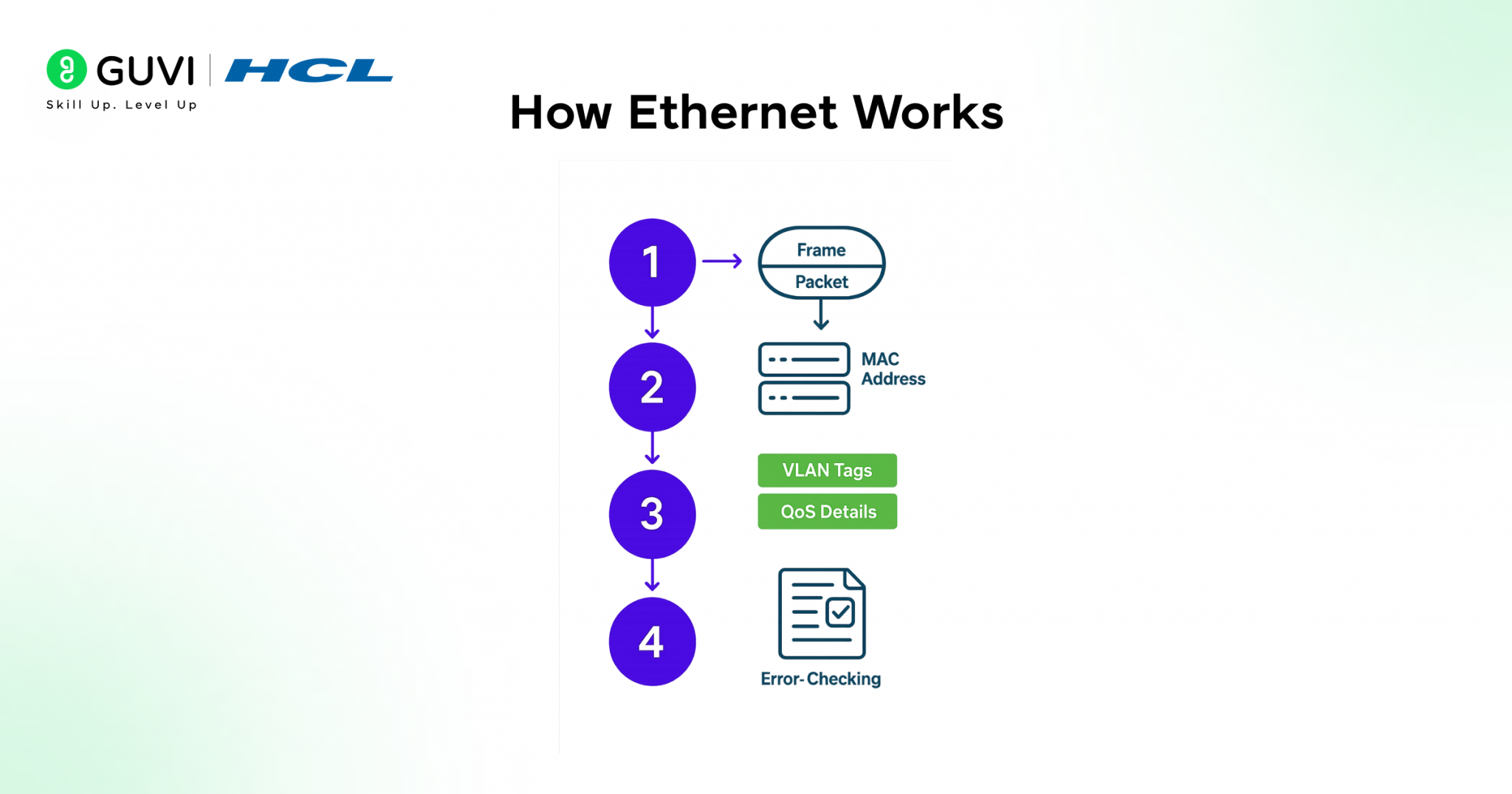
Implementing or troubleshooting an ethernet computer network requires a systematic approach to physical inspection, pinout verification, and signal testing. Begin by cross-referencing manufacturer schematics to identify connector pin assignments, shielding requirements, and designated grounding points. Strip outer cable jackets carefully without nicking internal insulation, maintaining twisted pairs up to 13 millimeters from the insulation displacement connectors or modular plugs. Test every terminated run for continuity, wire map correctness, and pair separation to ensure reliable high-speed packet transfer without latency spikes or intermittent drops. For comprehensive grounding techniques, consult Wiring Diagram Basics.
Common Challenges and How to Avoid Them
Signal degradation and network failure in an ethernet computer network frequently stem from excessive pair untwisting, crushed cables, or improper grounding of shielded drain wires. Exposing internal conductors beyond recommended tolerances introduces electromagnetic susceptibility, causing packet collisions and link drops in high-noise environments like engine bays or electrical utility rooms. Technicians must avoid running data cables parallel to high-amperage 12V/24V DC power feeds or AC mains without maintaining adequate spatial separation or metallic conduit shielding. Systematic fault isolation procedures are detailed extensively within Wiring Troubleshooting.
💬 Frequently Asked Questions
Explore More Wiring Diagrams and Schematics on ReadWires
Mastering electrical layouts and communication systems requires access to accurate schematics across automotive, residential, and industrial applications. Browse comprehensive wiring guides, diagnostic charts, and connection diagrams across all system categories directly on ReadWires.com to support your next installation or troubleshooting project.
Visual Reference Gallery