Introduction
Automotive wire ends represent the critical termination points that mechanically anchor and electrically interface low-voltage conductors to switches, fuses, sensors, and structural chassis grounds. According to SAE J1128 automotive wiring standards, vehicle electrical terminals must maintain robust mechanical retention forces and minimal electrical resistance under extreme vibration, thermal cycling, and moisture exposure. Understanding proper wire end selection, crimping, and insulation ensures low voltage drop and prevents catastrophic high-resistance hotspots. Integrating these termination practices alongside detailed Vehicle Wiring Diagrams protects 12V and 24V circuits from intermittent faults.
Wiring Technical Snapshot:
- Core Focus: High-integrity mechanical and electrical termination methods for vehicle electrical conductors.
- Target Scope: 12V and 24V automotive architectures, harness restoration, and diagnostic circuit testing.
- Key Recommendation: Always utilize calibrated ratchet crimpers followed by adhesive-lined heat shrink tubing to seal wire ends.
Core Principles and Detailed Overview
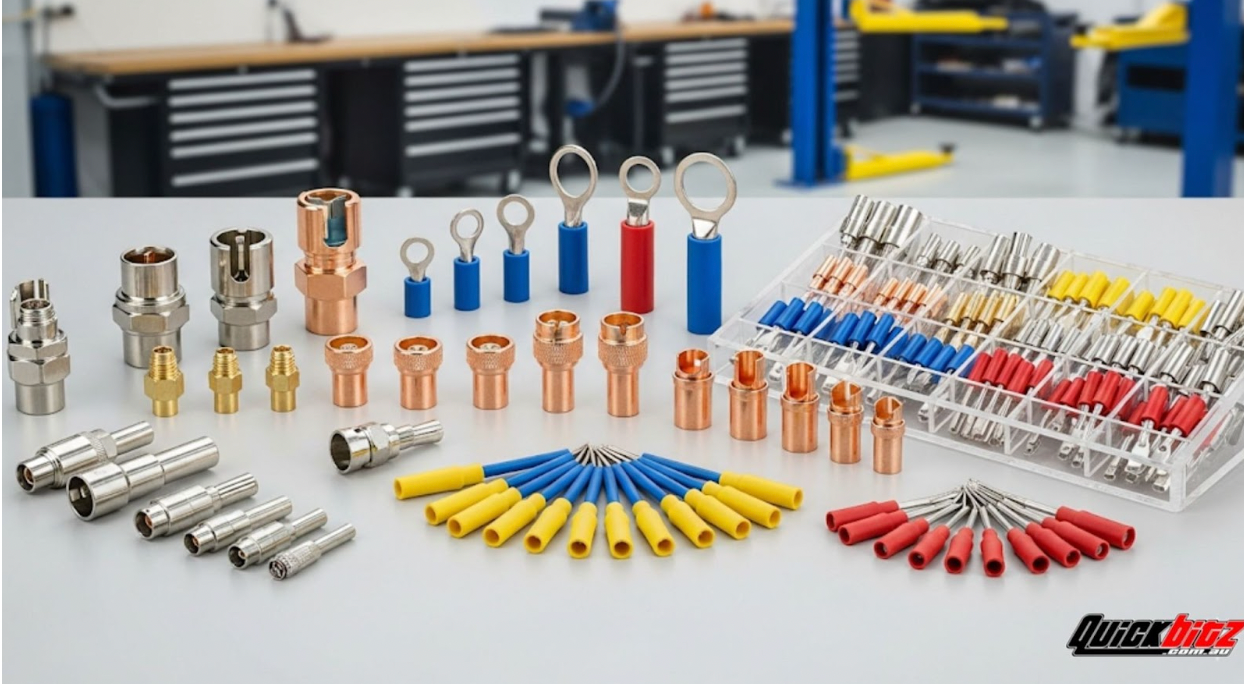
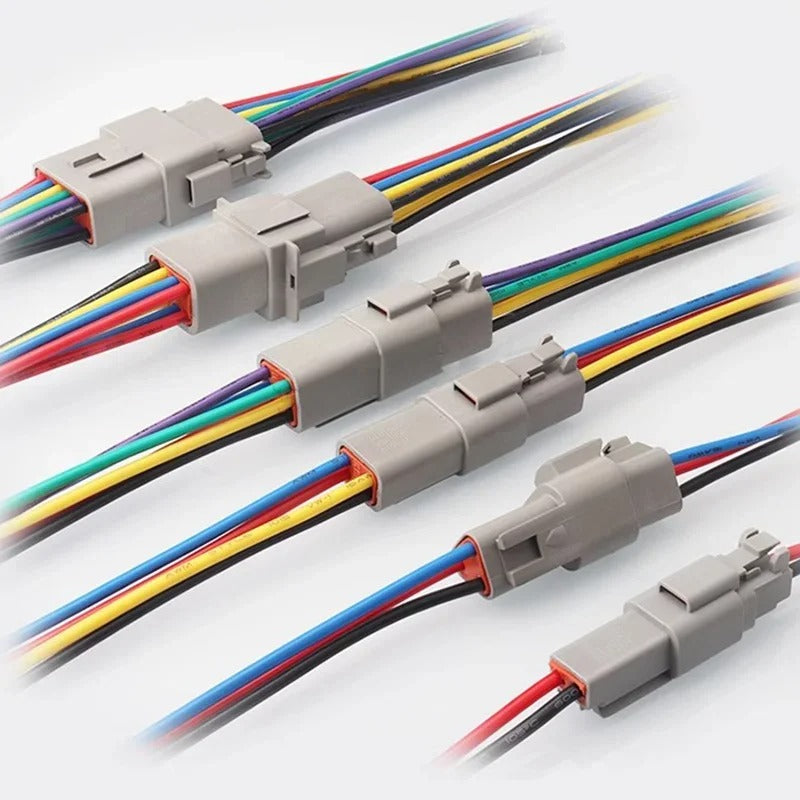
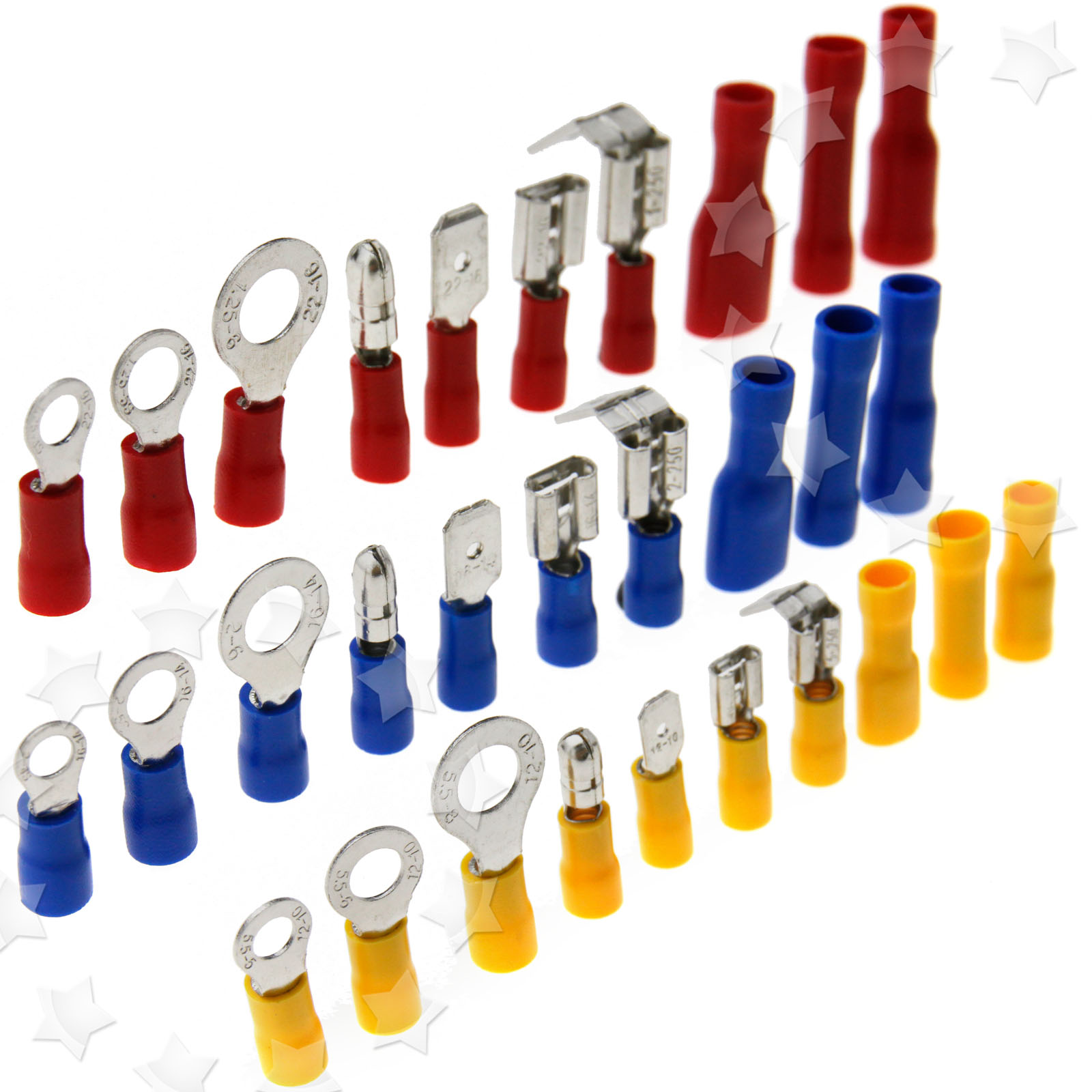
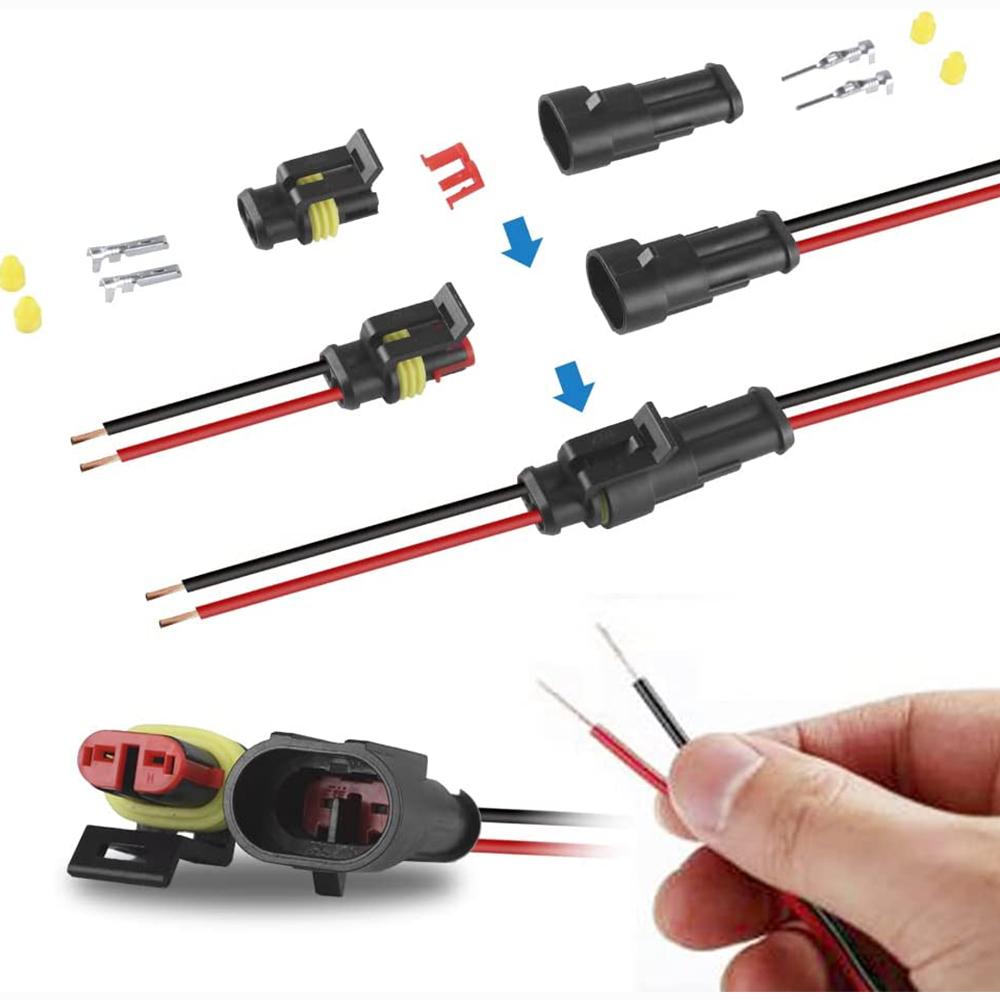
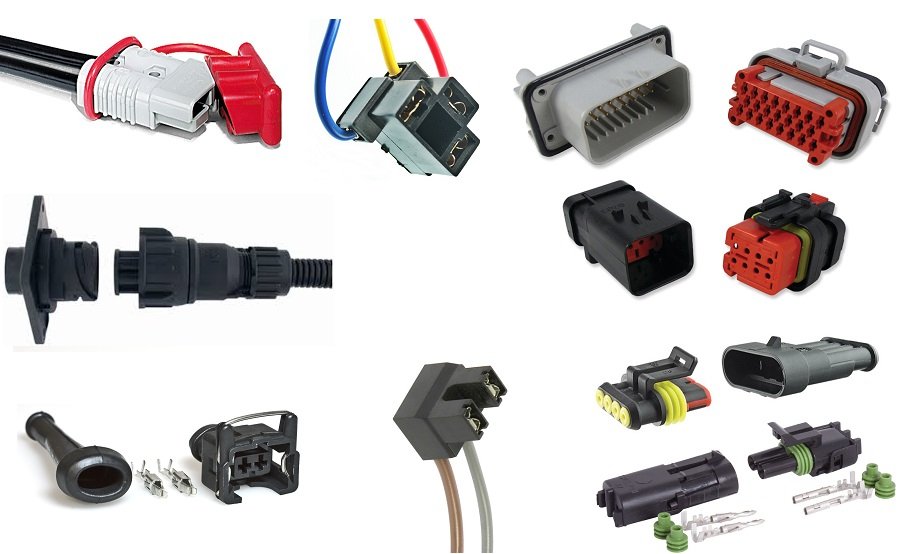
Proper termination of automotive wire ends eliminates micro-arcing, voltage drop, and progressive copper oxidation by establishing a gas-tight mechanical bond between the stranded wire and the terminal barrel. Direct current (DC) systems in modern vehicles demand exceptionally low resistance across every terminal interface to ensure sensitive electronic control modules receive precise sensor data and adequate operating current. When reading a complex Wiring Diagram Basics schematic, technicians trace circuits expecting uniform voltage delivery; any degraded wire end introduces parasitic resistance that distorts system performance. Standardizing terminal types—such as ring terminals for heavy-duty battery feeds, spade terminals for relay blocks, and sealed weather-pack pins for engine bay harnesses—guarantees compliance with factory specifications.
Key Specifications and Breakdown
| Circuit / Terminal | Standard Wire Color / Gauge | Operational Role & Safety Check |
|---|---|---|
| Chassis Ground Ring Terminal | Black / 10 AWG to 14 AWG | Provides low-resistance return path to engine block; verify continuity with a digital multimeter (< 0.2 ohms). |
| Switched Ignition Power | Red or Yellow / 14 AWG to 18 AWG | Delivers fused operational power to accessories; test for full battery voltage under active electrical load. |
| Sensor Signal Return | Shielded Twisted Pair / 20 AWG | Transmits low-amperage analog or digital data to the ECM; inspect wire ends for corrosion or signal interference. |
Electrical conductors and terminal connections must be securely fastened, mechanically protected, and rated to withstand the continuous ambient temperatures and mechanical vibration loads characteristic of internal combustion and electric vehicles. — National Fire Protection Association (NFPA)
Step-by-Step Practical Application and Guidelines
Executing a professional wire end repair requires precise stripping, correct die selection, structural crimping, and environmental sealing. Strip the wire insulation cleanly to expose bare copper strands without nicking or shearing individual filaments, referencing appropriate sizing guides found within Wiring Troubleshooting references. Insert the exposed strands fully into the terminal barrel so the conductor extends slightly past the internal stop, then compress the terminal using a calibrated ratcheting crimp tool designed for non-insulated or pre-insulated barrels. Complete the termination by sliding marine-grade, dual-wall adhesive-lined heat shrink over the barrel and applying controlled heat until the adhesive melts and forms a watertight environmental barrier.
Common Challenges and How to Avoid Them
Substandard crimps, incorrect wire gauge matching, and unsealed terminations in moisture-prone areas remain the primary causes of intermittent automotive electrical failures. Technicians frequently commit the error of using generic household pliers instead of precision ratchet crimpers, resulting in loose mechanical grips that pull apart under engine vibration or introduce high electrical resistance. Furthermore, omitting heat shrink protection on interior or under-hood wire ends accelerates galvanic corrosion when dissimilar metals interact with road salt and condensation. Systematic inspection using voltage drop testing across every terminal junction quickly isolates these hidden high-resistance flaws.
💬 Frequently Asked Questions
Explore More Wiring Diagrams and Schematics on ReadWires
Mastering the nuances of automotive wire ends and robust terminal maintenance ensures long-term reliability across all vehicle systems, accessories, and complex mobile electronics. For further technical insights, pinout guides, and schematic references, explore the comprehensive technical archive available at ReadWires.com.
Visual Reference Gallery