Introduction
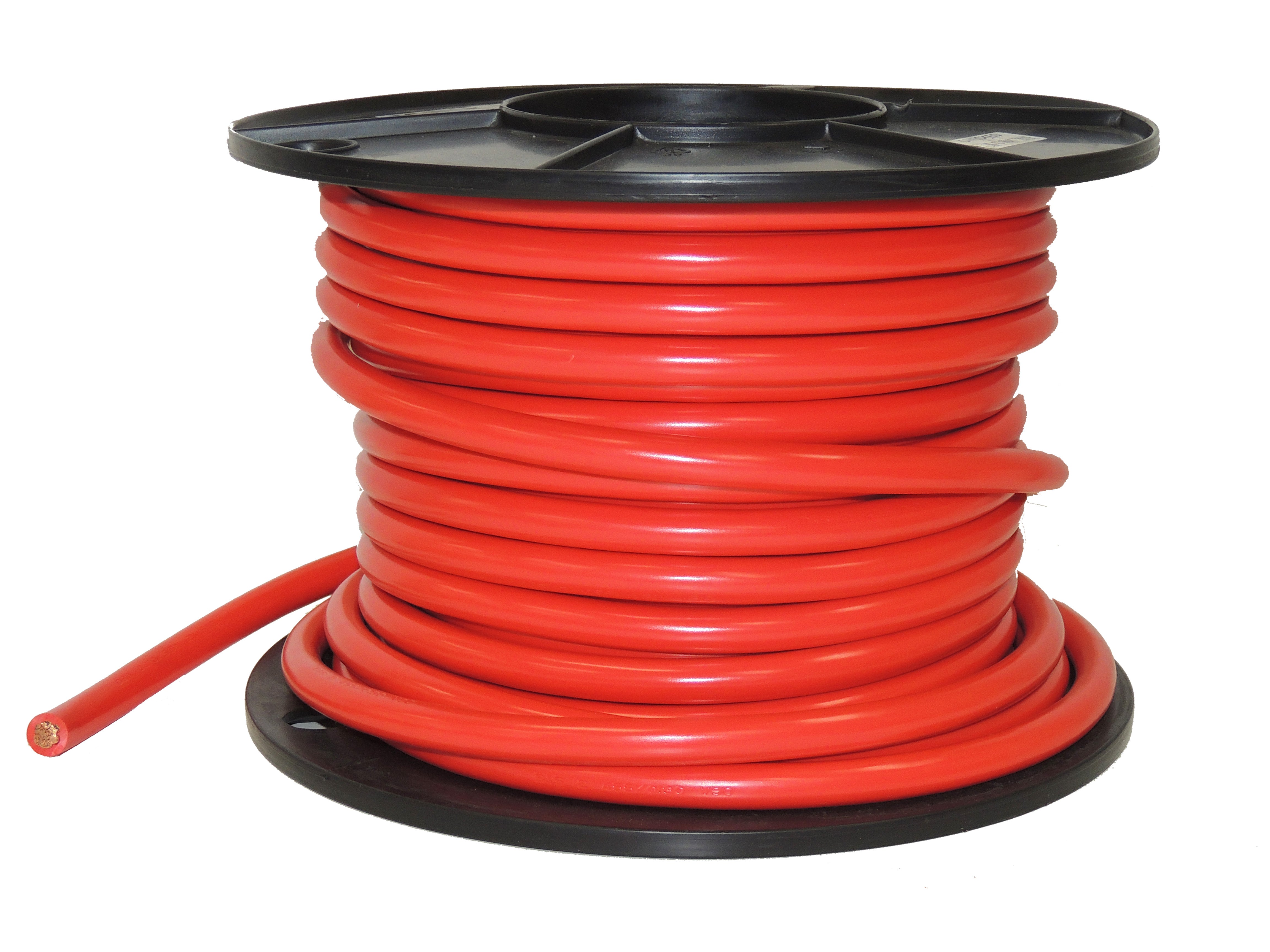
Acquiring automotive cable online requires strict adherence to standardized manufacturing specifications, insulation temperature ratings, and conductor material composition to prevent catastrophic circuit failures in 12V and 24V environments. According to SAE J1128 automotive wiring standards, low-tension primary wire must utilize stranded bare copper or tinned copper conductors covered by resilient insulation like cross-linked polyethylene (XLPE) to withstand high engine bay temperatures and mechanical abrasion. Sourcing the proper gauge and strand count from digital suppliers safeguards mobile electrical installations against excessive voltage drop, thermal overload, and short circuits. Navigating online inventories demands a solid comprehension of American Wire Gauge (AWG) sizing, amperage capacities, and schematics mapped within Vehicle Wiring Diagrams to guarantee complete electrical integrity across custom restorations, modern accessory integrations, and heavy-duty diagnostic repairs.
Wiring Technical Snapshot:
- Core Focus: Selecting and vetting automotive cable online based on SAE standards, gauge requirements, and thermal insulation ratings.
- Target Scope: 12V/24V automotive circuits, heavy-gauge battery runs, and accessory installations managed by technicians and DIY mechanics.
- Key Recommendation: Always verify conductor material composition (oxygen-free copper over copper-clad aluminum) and cross-reference schematics via Wiring Troubleshooting databases before purchase.
Core Principles and Detailed Overview
Evaluating automotive cable online involves analyzing insulation class ratings, current-carrying capacities, and environmental exposure limits prior to executing any purchase order. The primary distinction in mobile electrical work lies between standard PVC-insulated wire and high-performance cross-linked polyethylene (XLPE) cable, where the latter resists temperatures exceeding 125 degrees Celsius and withstands harsh under-hood automotive fluids like oil, gasoline, and battery acid. Technicians and advanced DIY builders must cross-reference digital component lists against comprehensive layouts found in Relay and Component Wiring Diagrams to ensure that chosen cable lengths do not induce voltage drops exceeding three percent on critical sensor circuits or five percent on general power feeds. Furthermore, verifying whether an online vendor supplies true AWG copper wire rather than undersized Copper-Clad Aluminum (CCA) prevents high resistance, localized overheating, and premature insulation breakdown across complex vehicle harnesses.
Key Specifications and Breakdown
| Circuit / Terminal | Standard Wire Color / Gauge | Operational Role & Safety Check |
|---|---|---|
| Battery Positive Feed | Red / 2 AWG to 4 AWG | Carries heavy starting current from battery to starter motor; inspect insulation flexibility and terminal crimp integrity with a digital multimeter. |
| Chassis Ground Return | Black / 10 AWG to 12 AWG | Completes return circuit to power source; measure resistance to verify drop remains under 0.1 ohms across bare metal mounting points. |
| Ignition Switch Signal | Yellow or Violet / 14 AWG | Transmits low-amperage switching voltage to starter relay; verify continuity and confirm absence of voltage leakage under load. |
Electrical conductors in automotive applications must maintain proper ampacity ratings matching or exceeding fuse protection thresholds to eliminate fire hazards from overcurrent conditions. — National Fire Protection Association (NFPA)
Step-by-Step Practical Application and Guidelines
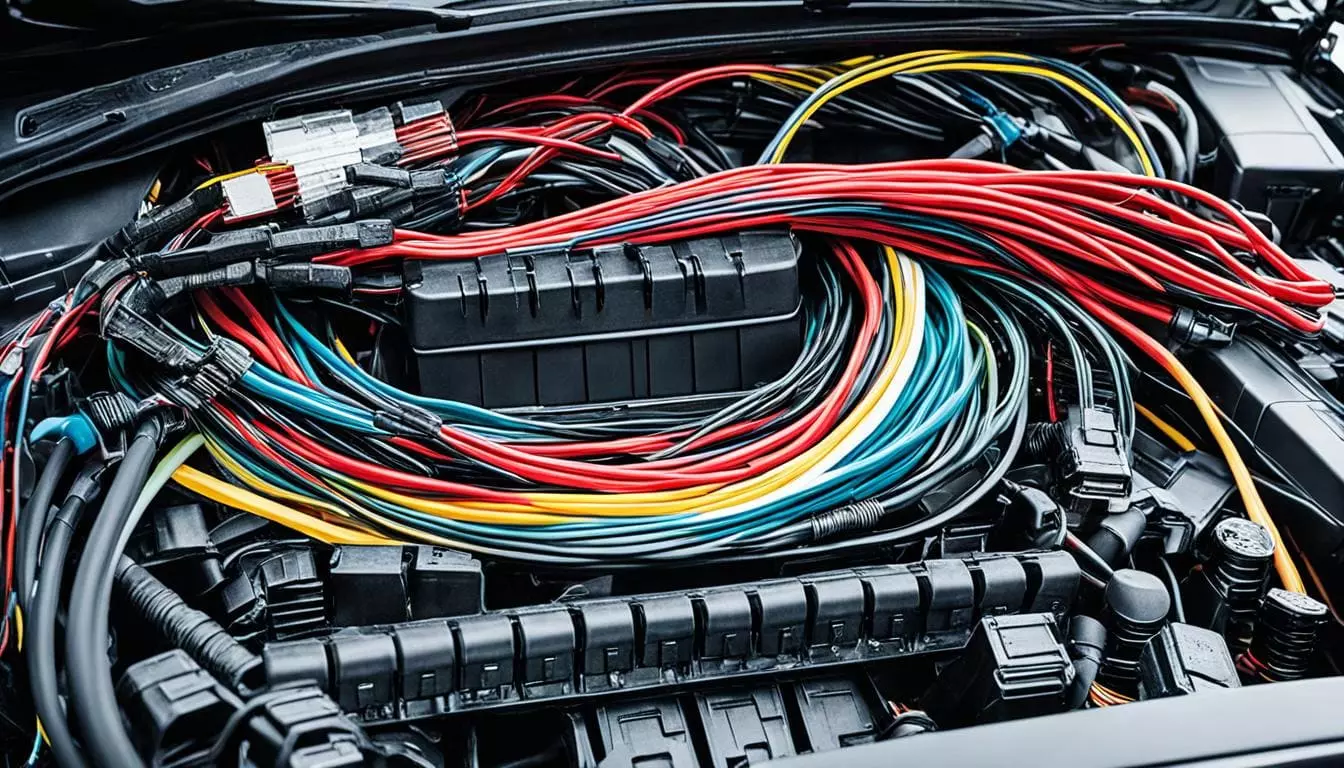
Executing an automotive wiring project using cable ordered online requires a methodical workflow from initial calculation to final mechanical protection and testing. Begin by calculating total circuit draw in amperes and measuring physical run lengths, factoring in slack for engine vibration and secure harness routing away from moving components or exhaust manifolds. Select the correct AWG size based on published ampacity charts, ensuring online orders specify pure stranded copper rather than brittle, high-resistance alternatives. Strip insulation using precision calibration tools to avoid nicking inner strands, crimp uninsulated or heat-shrink terminals using ratchet-action crimpers, and seal connections with dual-wall adhesive heat shrink tubing to lock out moisture and prevent environmental corrosion. Finally, integrate the new circuit into existing systems by referencing detailed schematics located within General and Miscellaneous Wiring Diagrams before energizing the system and performing a voltage drop verification under operating load.
Common Challenges and How to Avoid Them
Purchasing automotive cable online introduces risks regarding deceptive wire sizing, substandard conductor metals, and inadequate thermal insulation ratings that fail under real-world under-hood conditions. Many discount online retailers market CCA (copper-clad aluminum) as standard automotive copper wire, which possesses higher electrical resistance and significantly lower mechanical flexibility, leading to fatigue fracture when subjected to regular vehicle vibration. Diagnostic technicians can avoid these pitfalls by purchasing strictly from certified distributors adhering to SAE J1128 or ISO 6722 standards, and by physically inspecting incoming shipments with a micrometer to verify true AWG cross-sectional area. Additionally, builders must avoid running low-voltage sensor lines parallel to high-current ignition or alternator cables without proper shielding to prevent electromagnetic interference (EMI), ensuring clean signal transmission and reliable electronic control module performance.
💬 Frequently Asked Questions
Explore More Wiring Diagrams and Schematics on ReadWires
Mastering mobile electrical systems, troubleshooting complex harness issues, and selecting the right components demand access to accurate, professional-grade technical documentation. Professionals and DIY hobbyists can expand their diagnostic capabilities by exploring comprehensive collections, schematics, and reference guides available directly at ReadWires.com.
Visual Reference Gallery