Introduction
Emergency auto wiring repairs require immediate verification of 12V/24V electrical pathways, high-grade schematics, and proper testing tools to isolate faults safely before bypassing local brick-and-mortar storefronts. According to SAE International, adhering to standardized automotive cable specifications such as SAE J1128 ensures that replacement wire insulation withstands harsh engine bay temperatures and continuous mechanical vibration. Locating real-time automotive electrical assistance depends on understanding core vehicle circuitry, interpreting schematics, and evaluating diagnostic capabilities before visiting an open facility.
Wiring Technical Snapshot:
- Core Focus: Emergency 12V/24V diagnostic workflows and schematic analysis for immediate automotive electrical repairs.
- Target Scope: DIY mechanics, mobile technicians, and auto enthusiasts searching for urgent diagnostic help.
- Key Recommendation: Always verify circuit voltage drop and ground integrity with a digital multimeter before replacing terminal hardware.
Core Principles and Detailed Overview
Systematic electrical troubleshooting for urgent automotive issues relies on isolated multimeter measurements, accurate factory Vehicle Wiring Diagrams, and strict adherence to low-voltage power distribution rules. When seeking immediate professional support or performing roadside repairs, understanding the underlying harness architecture prevents compounding short circuits. Technicians must distinguish between high-amperage starting circuits, medium-amperage accessory pathways, and sensitive low-voltage data networks governed by Networking and Communication Wiring Diagrams. Effective diagnostics demand tracing power feeds, load components, and dedicated chassis grounds using standardized troubleshooting methodologies.
Key Specifications and Breakdown
| Circuit / Terminal | Standard Wire Color / Gauge | Operational Role & Safety Check |
|---|---|---|
| Battery Feed (B+) | Red / 8 AWG to 2 AWG | Delivers unswitched high current; verify zero voltage drop across main fusible links. |
| Ignition Switched Power | Yellow or Orange / 14 AWG | Energizes accessory modules; test continuity with ignition key in the ON position. |
| Chassis Ground | Black / 12 AWG to 10 AWG | Completes return current path; measure resistance to battery negative terminal below 0.2 ohms. |
Proper circuit protection and wire sizing prevent thermal overload in mobile 12V applications — National Fire Protection Association (NFPA)
Step-by-Step Practical Application and Guidelines
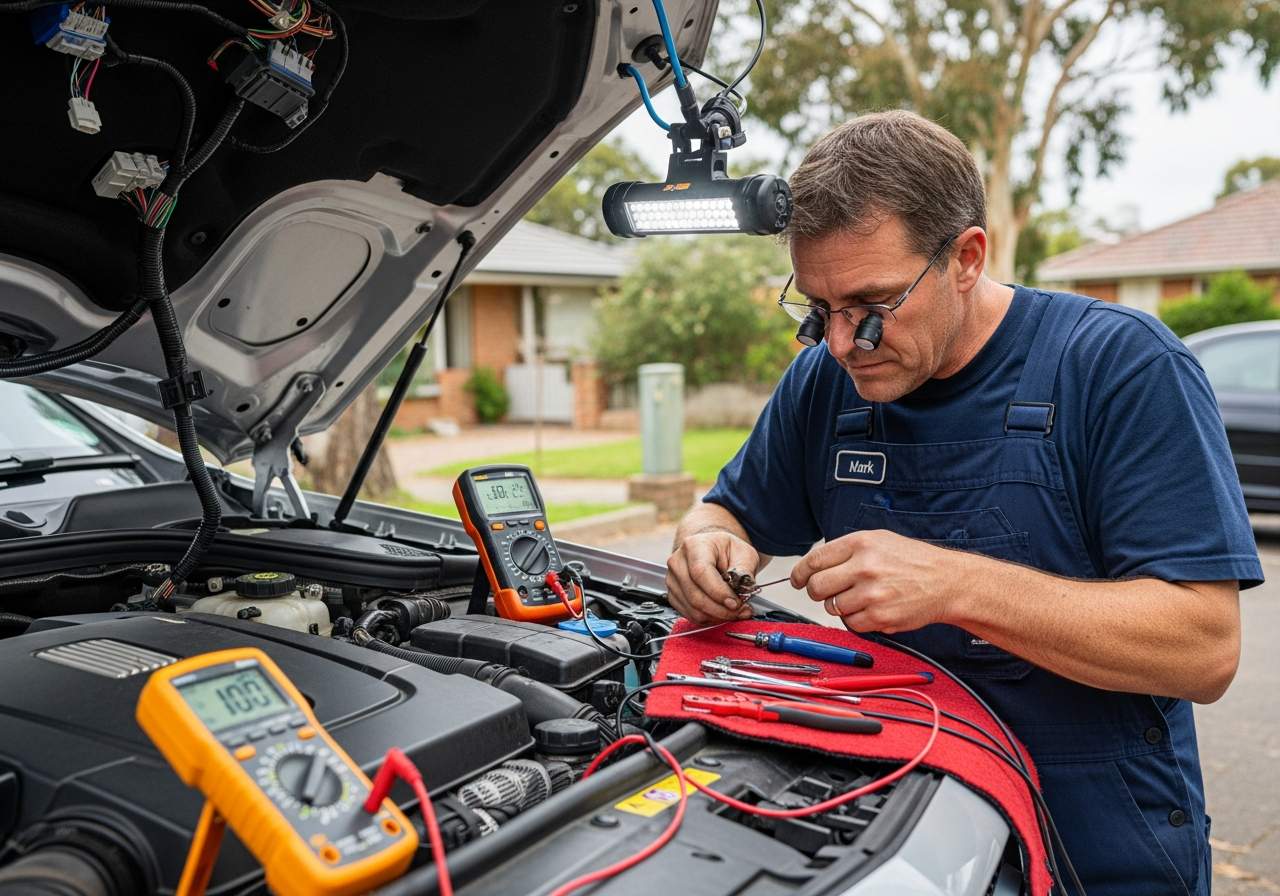
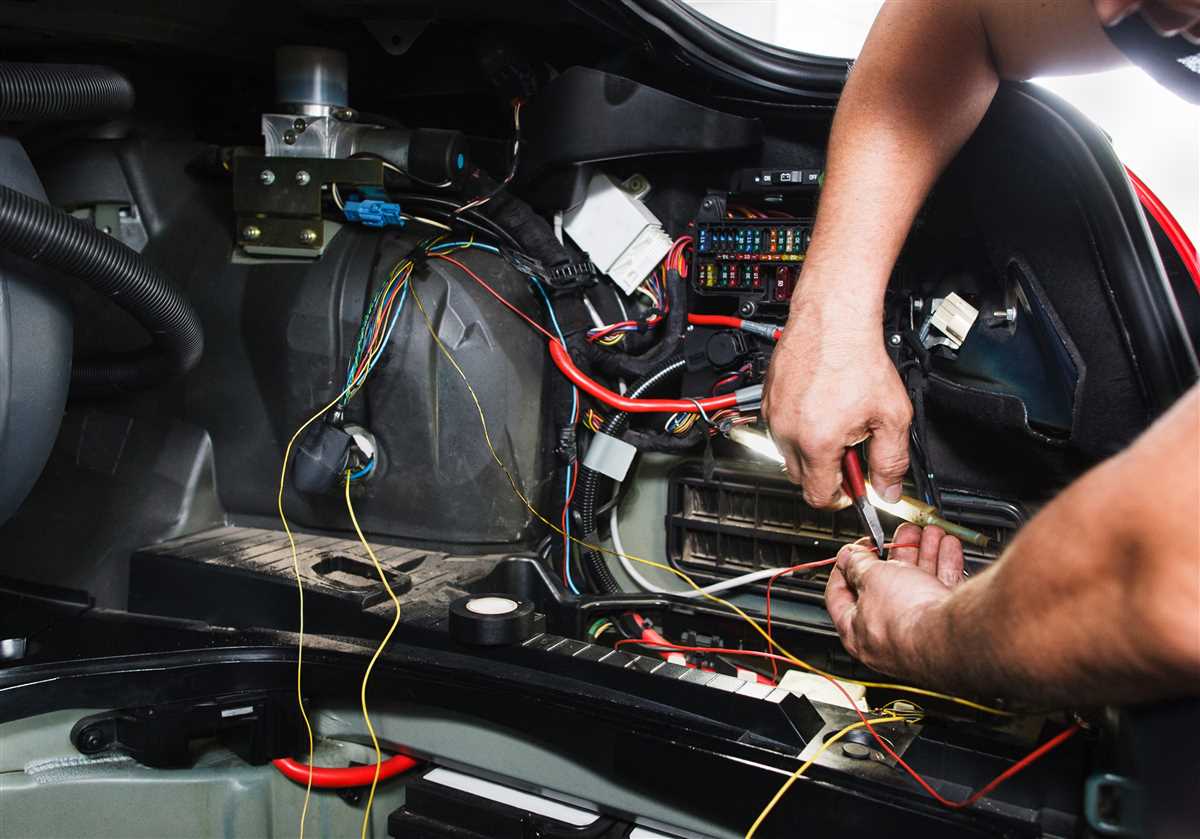
Executing an emergency roadside electrical repair requires a structured diagnostic sequence that minimizes risk to onboard computers and charging systems. Initial inspection involves identifying blown fuses or melted fusible links using a continuity tester. Reference specialized resources such as Relay and Component Wiring Diagrams to verify correct pinouts before jumpering any relay. Once the faulty circuit segment is isolated, strip damaged sections, crimp weather-tight terminals, seal connections with adhesive-lined heat shrink tubing, and validate system resistance via Wiring Troubleshooting procedures.
Common Challenges and How to Avoid Them
Misdiagnosing intermittent electrical faults often stems from overlooking hidden corrosion inside sealed wire harnesses or relying on basic test lights instead of high-impedance multimeters. Rushing an emergency repair without consulting accurate Wiring Diagram Basics can introduce dangerous parasitic drains or damage sensitive electronic control units. Technicians must also avoid mixing automotive-grade cross-linked polyethylene wire with standard residential building wire, as household insulation degrades rapidly when exposed to petroleum fluids and high under-hood thermal cycles.
💬 Frequently Asked Questions
Explore More Wiring Diagrams and Schematics on ReadWires
Mastering automotive electrical systems requires continuous study of comprehensive schematics, control modules, and power distribution networks. Practitioners can expand their diagnostic proficiency by reviewing supplementary guides and schematic archives available through ReadWires.com to ensure safe, precise, and compliant electrical repairs.
Wiring Diagram Schematics & Details