Introduction
Finding a qualified auto wiring mechanic near me requires understanding specialized diagnostic competencies, proper 12V/24V circuit isolation, and interpretation of complex schematics found within resources like Vehicle Wiring Diagrams. According to the Society of Automotive Engineers (SAE) standard J1128, automotive primary wiring must meet rigorous temperature, insulation, and conductor cross-section specifications to prevent catastrophic electrical fires in mobile environments. Evaluating local professional services ensures that complex intermittent faults, parasitic power draws, and multiplexed data network failures are resolved using calibrated digital multimeters and dedicated oscilloscope equipment rather than random part replacement.
Wiring Technical Snapshot:
- Core Focus: Professional automotive electrical diagnostic workflows and local shop evaluation.
- Target Scope: 12V/24V automotive architecture, CAN bus networks, and harness repair standards.
- Key Recommendation: Always verify technician certifications in advanced automotive electronics (such as ASE L1/L3) before authorizing harness modifications.
Core Principles and Detailed Overview
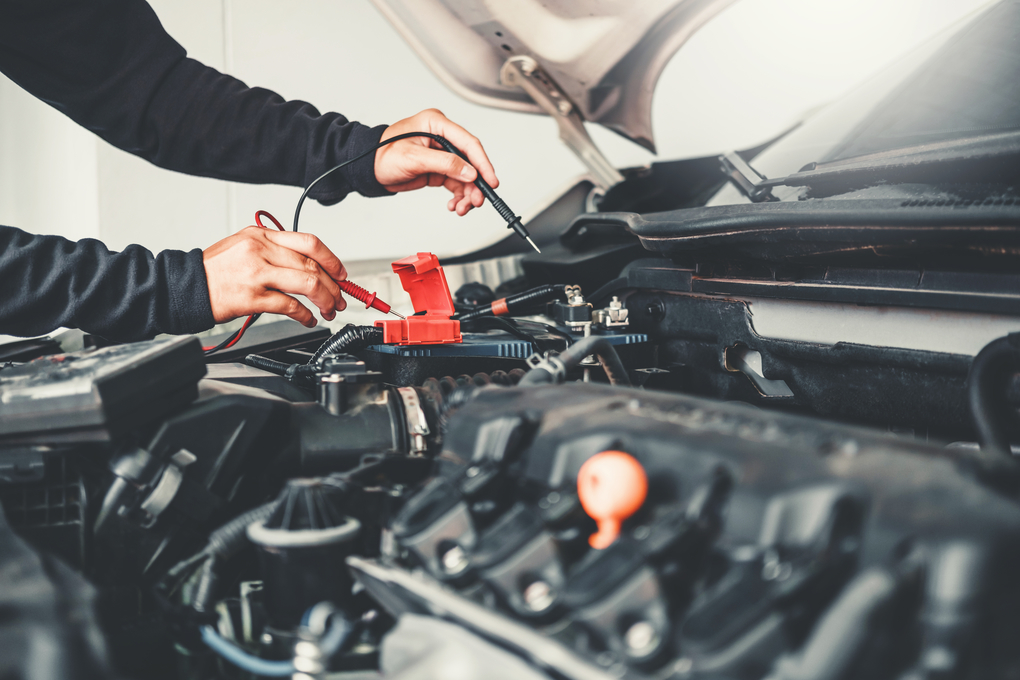
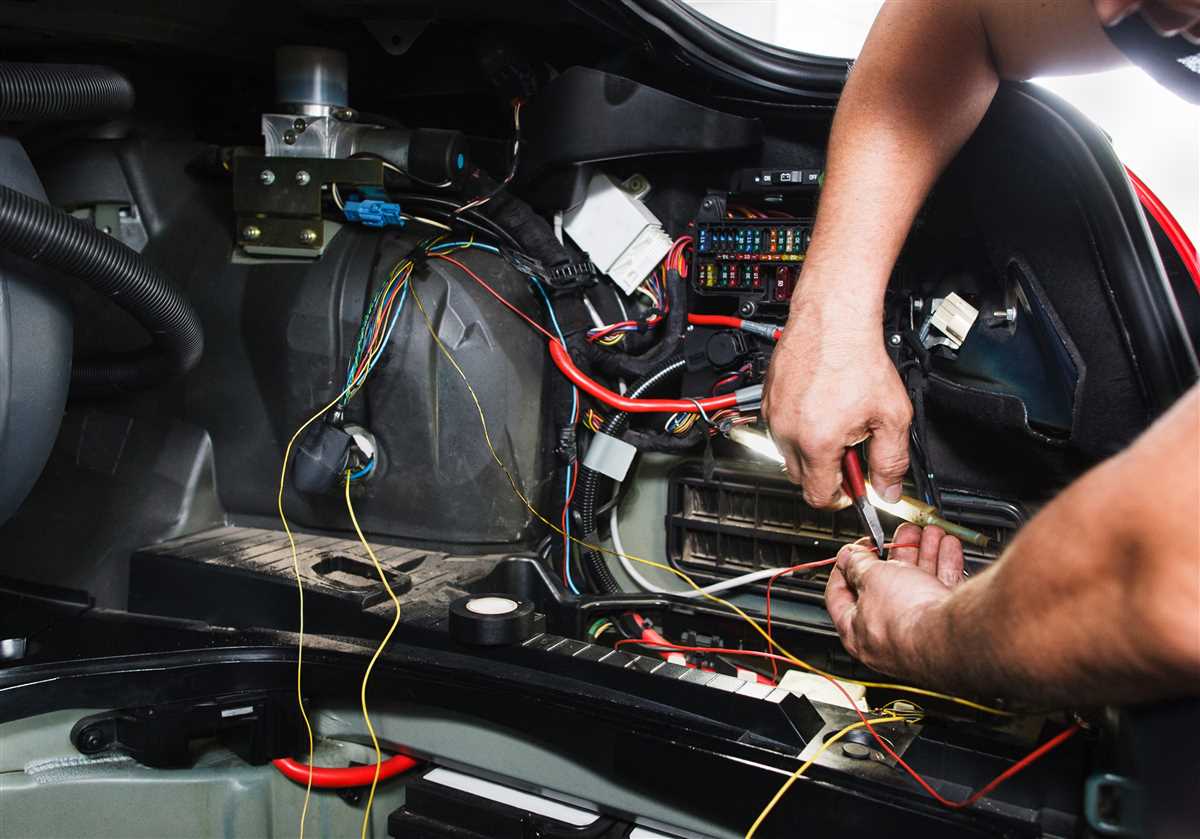
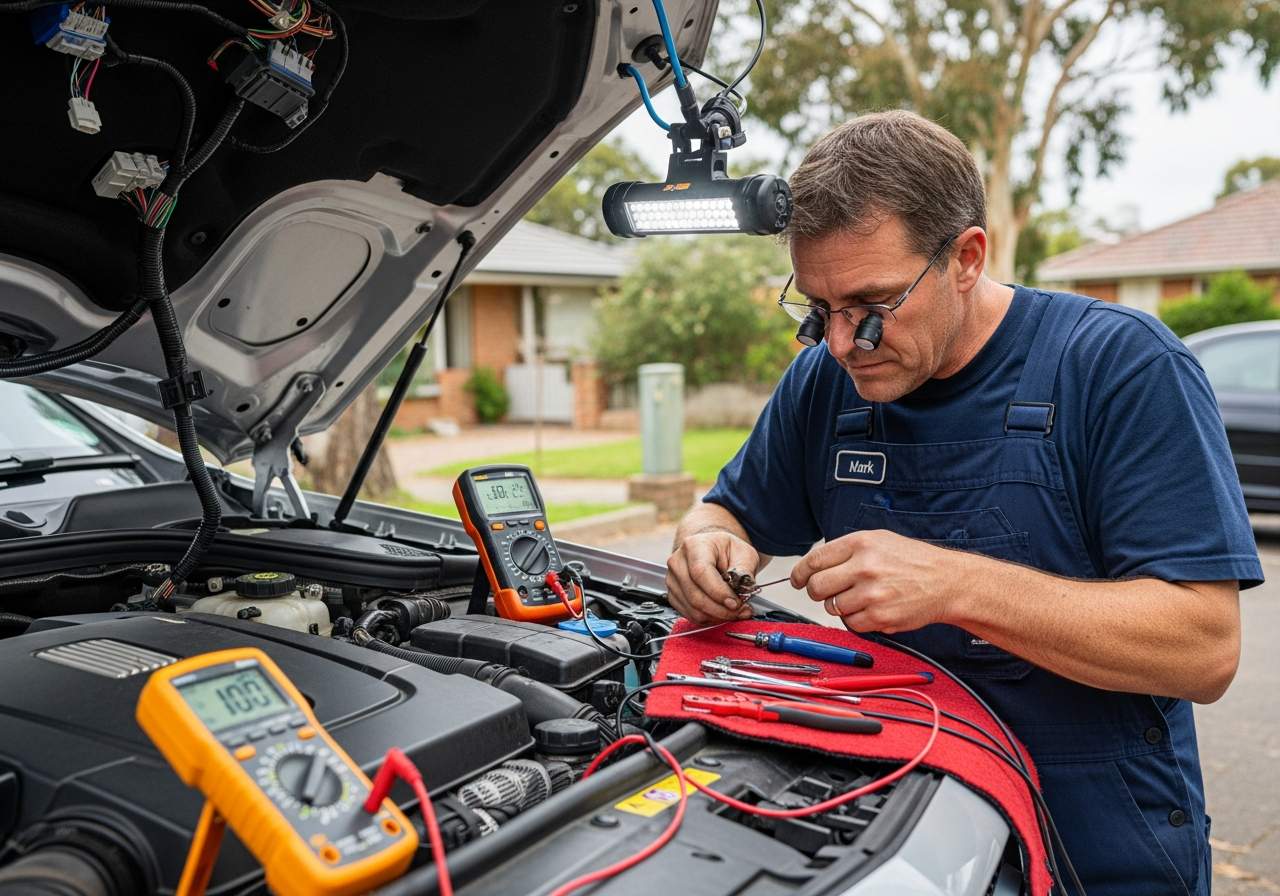
Locating an expert auto wiring mechanic near me involves identifying technicians who systematically trace electrical circuits using manufacturer wiring schematics, digital multimeters, and logic probes. Modern vehicles utilize complex multiplexed networks, battery management systems, and high-amperage charging loops that demand precision far beyond basic continuity testing. When addressing persistent electronic faults, a proficient specialist isolates high-resistance grounds, tests voltage drops under load, and analyzes Relay and Component Wiring Diagrams to pinpoint the exact failure point without compromising factory wire harnesses.
Key Specifications and Breakdown
| Circuit / Terminal | Standard Wire Color / Gauge | Operational Role & Safety Check |
|---|---|---|
| Battery Positive (B+) | Red / 2 AWG to 8 AWG | Delivers unswitched high current from battery to starter and power distribution centers; inspect for thermal degradation and secure terminal torque. |
| Chassis Ground | Black or Bare / 4 AWG to 10 AWG | Completes the low-resistance return path to the battery negative terminal; measure voltage drop under operational load to ensure reading remains below 0.2V. |
| Ignition Switched Power | Yellow or Pink / 12 AWG to 18 AWG | Energizes powertrain control modules and accessory relays when the key is turned; verify integrity using Wiring Diagram Basics to trace fused links. |
Proper circuit protection, conductor sizing, and terminal crimping standards are mandatory to prevent localized overheating, voltage drop failures, and thermal insulation breakdown in mobile electrical systems. — National Fire Protection Association (NFPA) / Electrical Safety Foundation International (ESFI)
Step-by-Step Practical Application and Guidelines
Evaluating and vetting local automotive electrical services requires following a strict investigative framework that mirrors professional diagnostic procedures. Initial verification begins by reviewing whether the facility utilizes dedicated diagnostic scan tools, back-probing connection kits, and direct manufacturer service information rather than generic code readers. Technicians should perform systematic voltage drop testing across suspected high-resistance connections before recommending expensive module replacements. For DIY enthusiasts attempting initial triage, cross-referencing physical pinouts with comprehensive Wiring Troubleshooting guides prevents misdiagnosis of complex digital communication networks.
Common Challenges and How to Avoid Them
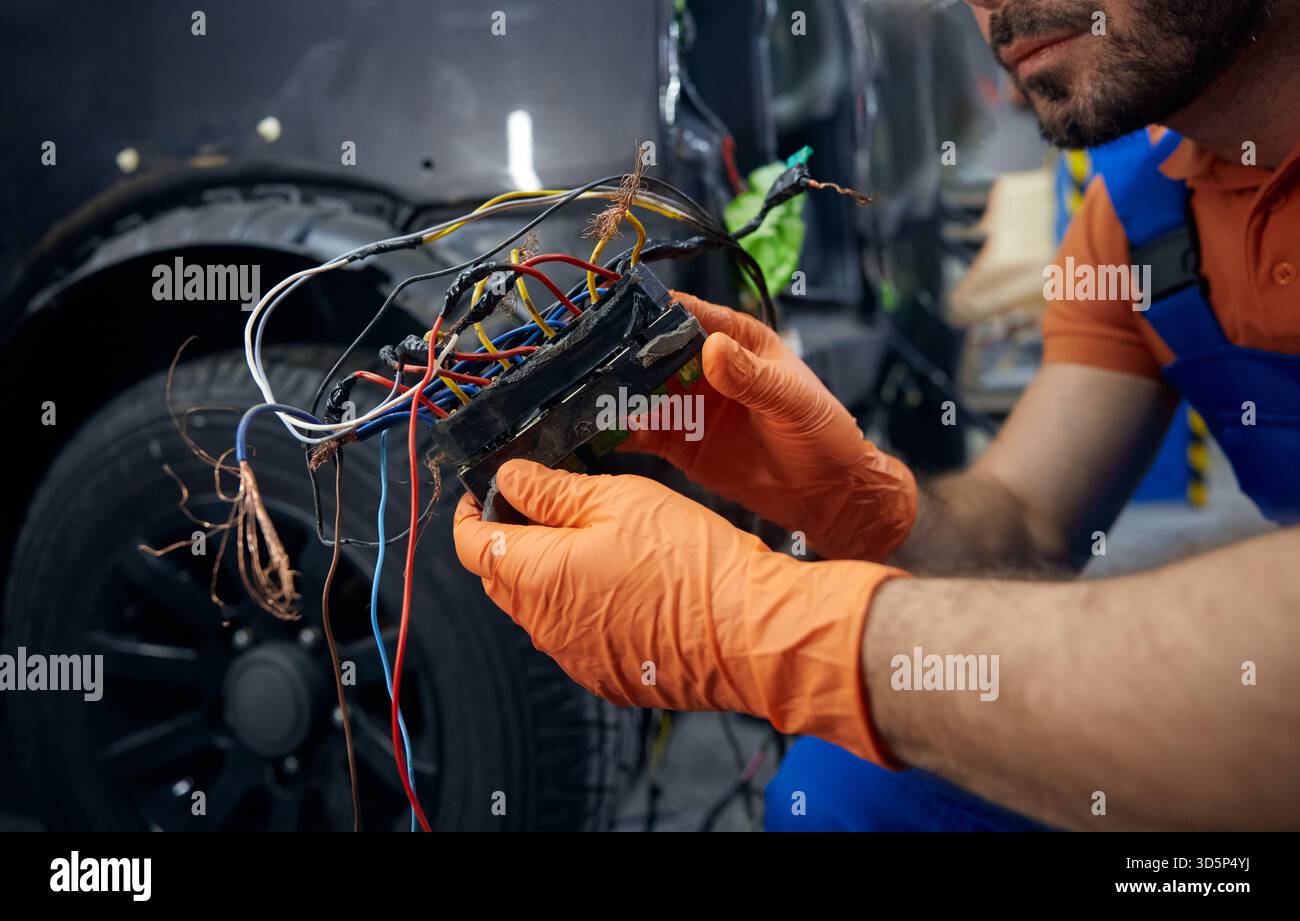
Surface-level electrical diagnostics often fail when unqualified repair shops misinterpret floating grounds, CAN bus waveform anomalies, and parasitic current draws. The most frequent error involves piercing wire insulation with test probes, which allows moisture ingress, internal copper oxidation, and subsequent circuit failure. Avoiding these pitfalls requires utilizing back-probe pins, heat-shrink solder seal connectors, and adhering to strict factory routing standards to protect sensitive harnesses from moving mechanical components and high-heat exhaust manifolds.
💬 Frequently Asked Questions
Explore More Wiring Diagrams and Schematics on ReadWires
Mastering automotive electrical systems requires continuous access to accurate documentation, precise schematics, and expert troubleshooting workflows. Visit ReadWires.com to explore an extensive digital library containing detailed vehicle schematics, harness routing guides, and component connection layouts designed to support professional technicians and dedicated automotive enthusiasts alike.
Wiring Diagram Schematics & Details