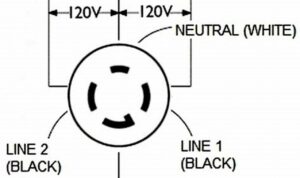
Understanding a 220 plug wiring diagram is crucial for anyone working with high-voltage electrical appliances. These diagrams are essentially roadmaps for safely and correctly connecting a 220-volt appliance to its power source. Incorrect wiring can lead to appliance malfunction, electrical shock, or even fire, highlighting the importance of adhering to the wiring diagram’s instructions. While it’s always recommended to consult a qualified electrician for complex electrical work, understanding the basics of a 220 plug wiring diagram can empower homeowners to safely troubleshoot minor issues and ensure that electrical work is performed according to best practices.
💡 Technical Key Takeaways:
- Core Focus: Diagnostic schematic and terminal connection layout for 220 Plug Wiring Diagram.
- Target Scope: Field technicians, automotive DIYers, and residential/commercial electricians.
- Safety Rule: Always disconnect the primary power source/battery terminal and verify zero voltage with a multimeter before touching wires.
Quick Wiring Specifications & Terminal Guide
| Component / Circuit | Standard Wire Gauge | Recommended Protection |
|---|---|---|
| Control & Trigger Signals | 18 – 20 AWG | 5A – 7.5A Inline Fuse |
| Standard Auxiliary Load | 14 – 16 AWG | 15A – 20A Circuit Breaker |
| Main Power Feed / Supply | 10 – 12 AWG | 30A – 40A Heavy-Duty Relay |
Images References :
Explore more technical diagrams and schematics in our comprehensive Vehicle Wiring Diagrams collection for detailed circuit walkthroughs.