Decoding the Dual-Load Circuit: Anatomy of a Two-Light, Single-Switch Layout
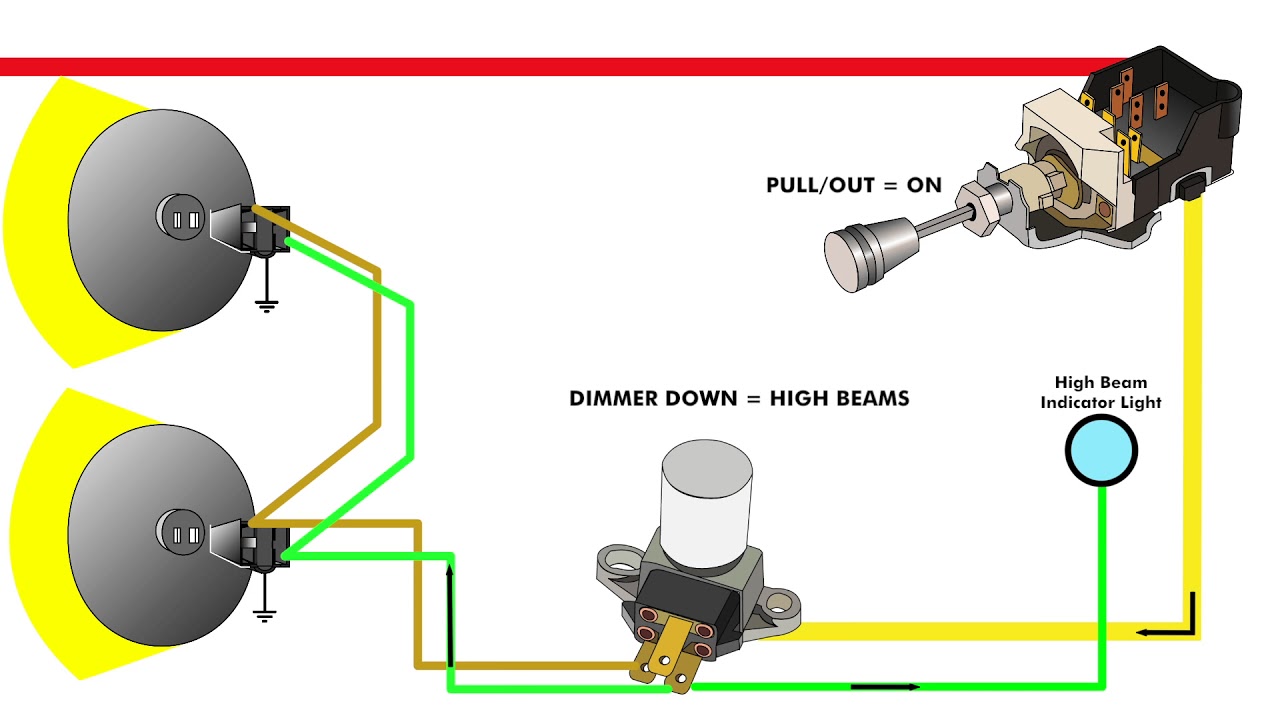
Mastering a dual-load electrical layout requires a solid grasp of how a single switching device distributes current to parallel or series loads. Whether you are rigging auxiliary off-road driving lamps on a utility truck or evaluating an auxiliary illumination loop in a complex industrial cabinet, understanding the underlying current path prevents costly component failures. Power originates from an energy source, passes through overcurrent protection like a fuse or circuit breaker, travels to a manual control toggle, and splits to feed both lighting elements before terminating at a secure earth or chassis ground. Adhering to standards set by organizations such as the National Fire Protection Association under NFPA 70 or automotive standards via SAE J1128 ensures your conductor sizing and insulation ratings match the total continuous amp draw of both lamps. Related guide: Connection 240V Baseboard Heater To A Circuit Breaker Panel.
💡 Technical Key Takeaways:
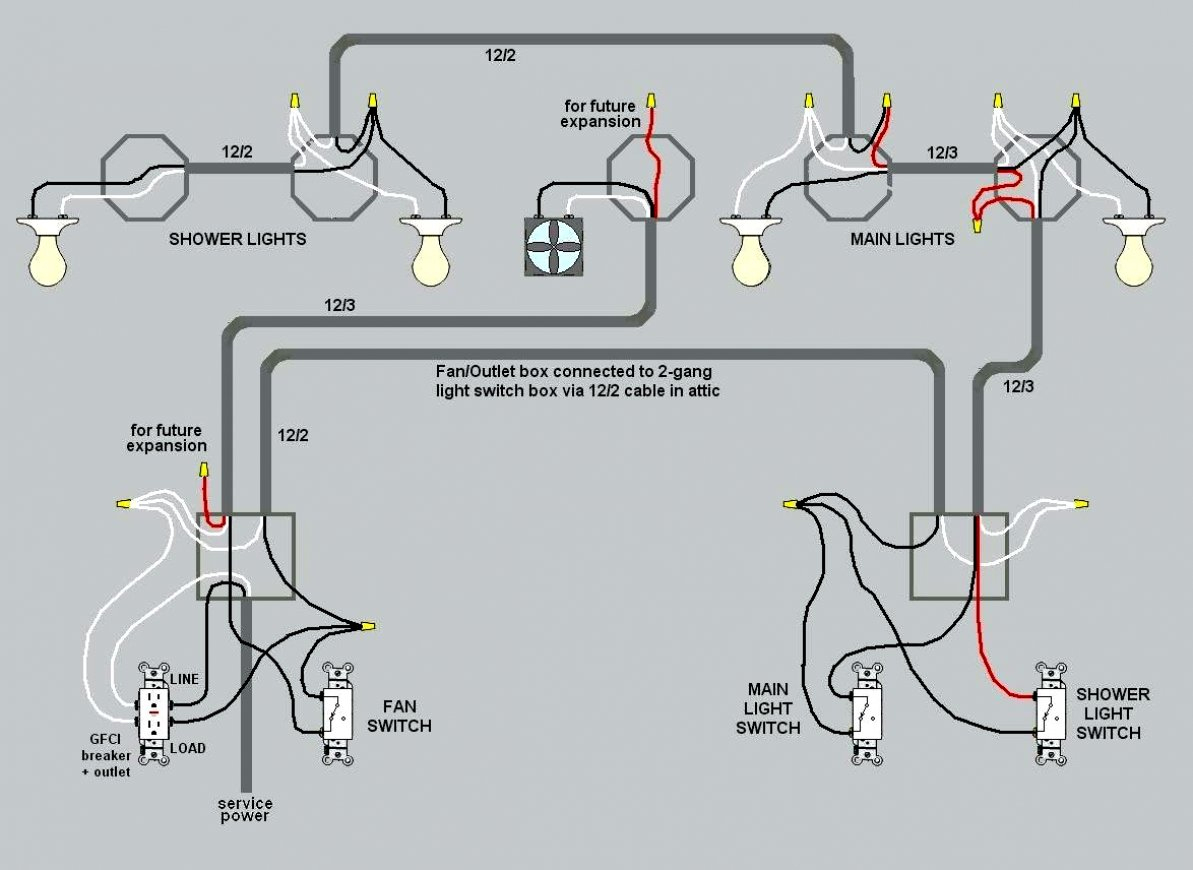
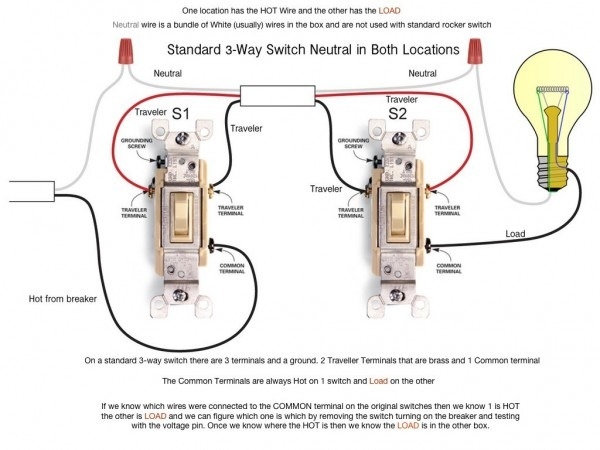
- Core Focus: Diagnostic schematic and terminal connection layout for Wiring Diagram 2 Lights 1 Switch.
- Target Scope: Field technicians, automotive DIYers, and residential/commercial electricians.
- Safety Rule: Always disconnect the primary power source/battery terminal and verify zero voltage with a multimeter before touching wires.
Component Breakdown, Conductor Sizing, and Expected Meter Readings
To systematically troubleshoot any schematic, technicians must map every node from source to return. When designing or diagnosing a setup built around Wiring Diagram Basics, breaking down the harness into distinct physical segments clarifies where voltage drops are most likely to occur. The table below details standard conductor sizing, expected protection ratings, and the proper digital multimeter verification method for each segment of the loop.
| Circuit Path | Typical Gauge / Protection | Multimeter Check |
|---|---|---|
| Battery Supply to Fuse Feed | 12 AWG TXL / 15A to 20A Fuse | Voltage check: 12.6V DC relative to clean chassis ground. |
| Fused Feed to Switch Terminal | 14 AWG GPT / Unswitched | Voltage drop test under load: Less than 0.2V DC drop across wire. |
| Switch Output to Splitter Splice | 14 AWG GXL / Switched Hot | Switched on: 12V DC; Switched off: 0V DC with zero continuity to ground. |
| Splitter to Dual Lamp Terminals | 16 AWG parallel runs / Dual load | Current draw or voltage check at bulb pigtails under active load. |
| Common Ground Return to Chassis | 12 or 14 AWG / Star washer ground | Resistance test: Less than 0.5 ohms resistance to battery negative post. |
Step-by-Step Diagnostic Workflow for Dual-Lamp Topologies
When a customer or shop ticket reports that both lamps fail to illuminate, or one flickers when hitting bumps, a logical diagnostic tree saves hours of guesswork. Start with a thorough visual inspection of the harness routing, looking for chafing near sharp sheet metal edges or heat damage near exhaust manifolds. If the fuse blows instantly upon switching the circuit on, you are dealing with a dead short to ground on the switched output side. If the fuse remains intact but the lights remain dark, use a digital multimeter to perform voltage drop testing rather than simple continuity checks. Testing for continuity with the power connected can skew readings, while testing for voltage drop *under load* reveals high-resistance faults like oxidized crimp terminals or corroded fuse blades that ordinary multimeters might otherwise miss. Always verify specific relay or pin assignments using factory service manuals when working on modern multiplexed Vehicle Wiring Diagrams, as computer-controlled body control modules frequently manage high-current outputs.
Isolating High-Resistance Faults and Mitigating Electrical Hazards
The most common gremlin in dual-lamp circuits is a compromised ground path. Because two distinct light fixtures often share a single grounding eyelet or chassis screw, a loose or rusted fastener introduces resistance that splits return current unevenly, causing dim operation or thermal runaway at the terminal block. Technicians should always disconnect the primary battery negative terminal before servicing harnesses to prevent accidental arcing, complying with essential ESFI safety guidelines for electrical maintenance. When soldering or crimping new splice joints to feed the dual lights, always utilize heat-shrink tubing with adhesive lining to seal out moisture, preventing galvanic corrosion in exposed engine bay environments. For stationary installations, consult appropriate Home Electrical Wiring Diagrams methodologies if adapting DC lighting loops to low-voltage AC transformers.
Frequently Asked Questions on Dual-Light Single-Switch Systems
Should I wire two lights in series or parallel using a single switch?
You should almost always wire two lights in a parallel configuration. Wiring them in series causes the supply voltage to divide equally across both bulbs, resulting in dim output and complete circuit failure if a single filament burns out.
How do I calculate the correct fuse rating for two lights on one switch?
Determine the wattage of both lamps combined, divide by your system voltage to find the total amperage draw, and select a fuse rated roughly twenty to thirty percent higher than that total. For instance, two fifty-watt lamps draw roughly eight point three amps on a twelve-volt system, making a fifteen-amp fuse appropriate.
Can I use a standard automotive toggle switch without a relay?
It depends entirely on the total amp draw of your lamps. If the combined amperage exceeds the stamped current rating of the mechanical switch, usually around ten amps, you must incorporate a properly rated automotive relay to prevent switch contact welding and premature thermal failure.
Explore Additional Wiring Schematics and Diagnostic Guides
Expand your electrical diagnostic knowledge by reviewing our comprehensive library of professional schematics and troubleshooting articles available directly on ReadWires.com.
Wiring Diagram Schematics & Details