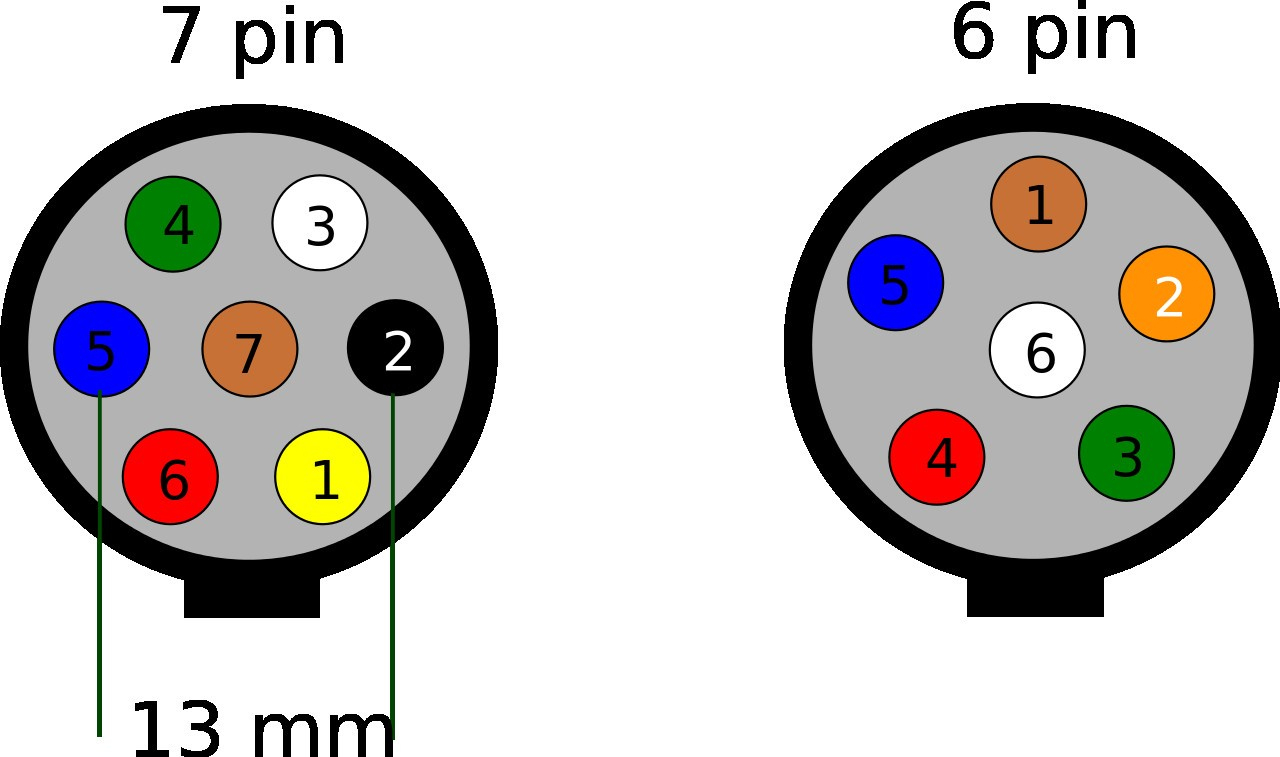
The lance truck camper plug wiring diagram is a crucial document for anyone owning or working on these popular campers. It serves as the roadmap for the electrical system that powers your camper, connecting it to your truck’s electrical system. Understanding this diagram is vital for safe and efficient operation, enabling you to troubleshoot issues, make modifications, and perform necessary repairs. Neglecting the wiring can lead to malfunctions, electrical fires, or damage to your camper’s appliances. Therefore, taking the time to understand this diagram can save you time, money, and potential hazards.
💡 Technical Key Takeaways:
- Core Focus: Diagnostic schematic and terminal connection layout for Lance Truck Camper Plug Wiring Diagram.
- Target Scope: Field technicians, automotive DIYers, and residential/commercial electricians.
- Safety Rule: Always disconnect the primary power source/battery terminal and verify zero voltage with a multimeter before touching wires.
One of the key benefits of understanding your lance truck camper plug wiring diagram is the ability to diagnose electrical problems efficiently. When a light flickers, an appliance fails, or the power seems intermittent, a quick reference to the diagram can help you pinpoint the source of the issue. You can trace the circuit from the power source (your truck’s electrical system) to the affected component, identifying any breaks, shorts, or loose connections along the way. This proactive approach allows you to address minor issues before they escalate into larger, more expensive repairs, and it prevents unnecessary trips to the repair shop.
A typical lance truck camper plug wiring diagram illustrates the electrical connections between your truck and the camper. It will usually show the various wires, their colors, and their corresponding functions. Common elements include wires for running lights, brake lights, turn signals, auxiliary power, and ground connections. The diagram often uses symbols and abbreviations to represent different components and connection points. It’s generally organized in a logical manner, making it relatively easy to follow the path of electricity throughout the system. Some diagrams are basic, while others are incredibly detailed, so finding the correct one for your specific Lance model is essential. You can usually find these diagrams in your owner’s manual or online from Lance or other RV resources. Browse more guides on ReadWires.com.
Reading a lance truck camper plug wiring diagram requires some basic understanding of electrical symbols and terminology. Learn what standard symbols represent for fuses, relays, switches, and various electrical components. Wire colors are also critical. Standard conventions use specific colors for particular functions (e.g., brown for running lights, yellow for left turn signal, green for right turn signal, white for ground). The diagram shows how these wires connect to the truck’s electrical system through the plug. Trace the wires from the plug to the lights, appliances, and other components in your camper. Look for notes or labels that clarify specific connections or configurations. If you’re unsure about a particular symbol or connection, consult online resources or a qualified electrician.
When working with the electrical system based on the lance truck camper plug wiring diagram, always disconnect the power source before making any connections or repairs. Use appropriate tools and materials for the job, such as wire strippers, crimpers, and connectors. Ensure that all connections are secure and properly insulated to prevent shorts or corrosion. If you need to replace a wire, use one of the same gauge and color to maintain the integrity of the system. When in doubt, seek assistance from a qualified electrician or RV technician who can provide guidance and ensure that all work is performed safely and correctly. Document any changes or modifications you make to the wiring diagram for future reference.
In conclusion, the lance truck camper plug wiring diagram is an indispensable tool for anyone who owns or works on a Lance truck camper. It provides a clear and concise representation of the electrical system, enabling you to diagnose problems, perform repairs, and make modifications safely and efficiently. By taking the time to understand this diagram, you can save time, money, and potentially prevent serious electrical hazards. Always prioritize safety when working with electricity, and don’t hesitate to seek professional help if you’re unsure about any aspect of the wiring system.
Quick Wiring Specifications & Terminal Guide
| Component / Circuit | Standard Wire Gauge | Recommended Protection |
|---|---|---|
| Control & Trigger Signals | 18 – 20 AWG | 5A – 7.5A Inline Fuse |
| Standard Auxiliary Load | 14 – 16 AWG | 15A – 20A Circuit Breaker |
| Main Power Feed / Supply | 10 – 12 AWG | 30A – 40A Heavy-Duty Relay |