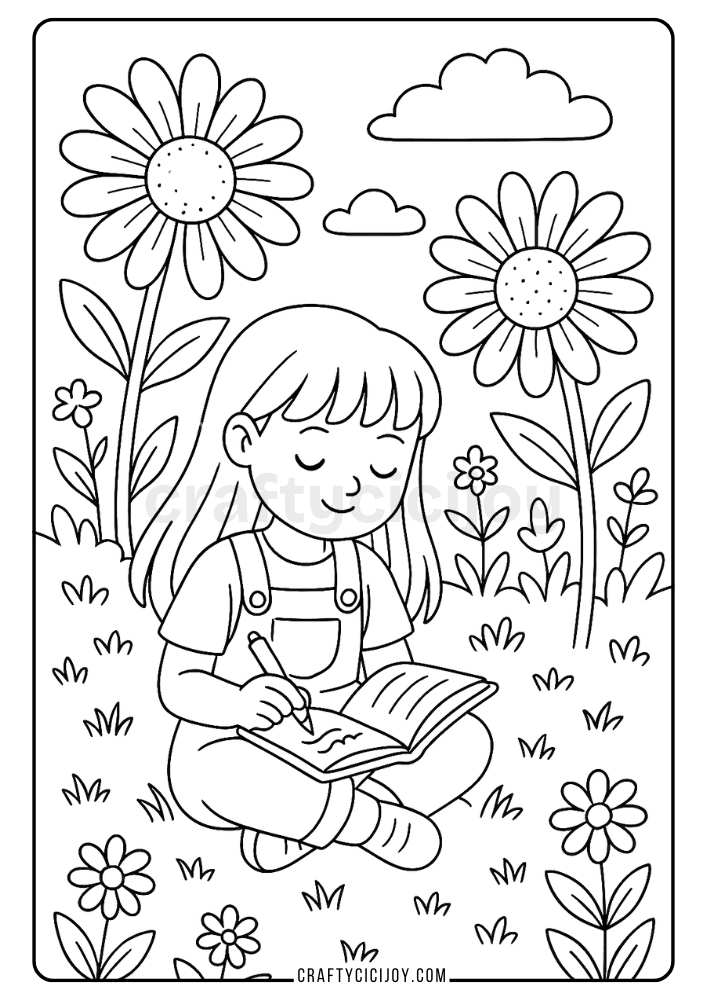
Introduction
Coloring pages pdf files function as digital downloadable documents containing line art designed for offline printing and creative physical interaction. According to ConnectSafely, establishing balanced screen boundaries and promoting offline activities remain critical components of comprehensive digital wellness for developing students. Educators, school administrators, and parents leverage these portable document formats to transition students away from perpetual screen immersion while maintaining structured educational engagement. Incorporating printable visual materials helps mitigate classroom device fatigue, lowers the prevalence of incidental cyber distractions, and supports healthy offline motor skill development across middle school and elementary environments. Exploring structured educational assets such as Worksheets enhances academic routines without expanding the digital footprint.
Digital Safety Snapshot:
- Core Focus: Safely sourcing, downloading, and deploying coloring pages pdf resources to balance screen time.
- Target Scope: School administrators, classroom teachers, parents, and digital citizenship educators.
- Key Recommendation: Restrict file downloads to verified educational domains to prevent malware exposure and unintended adware tracking.
Core Principles and Detailed Overview
Managing digital assets safely requires strict adherence to institutional network protocols, secure browser habits, and robust classroom device hygiene. Unverified third-party websites offering free printables frequently embed malicious tracking scripts, misleading phishing pop-ups, or executable malware disguised as standard document downloads. Educational institutions must enforce strict content filters and teach students how to identify authentic, secure educational repositories. Promoting offline creative tasks through printable materials also directly supports broader digital wellness objectives by reducing hyper-connected behaviors that contribute to cyberbullying vulnerabilities and accidental exposure to inappropriate web content. Maintaining rigorous device hygiene guarantees that downloading supplementary materials never compromises institutional cybersecurity integrity or individual student data privacy.
Key Specifications and Breakdown
| Safety Pillar | Digital Risk Factor | Actionable Protective Habit |
|---|---|---|
| Device Hygiene | Malicious executable files disguised as document downloads. | Verify file extensions (.pdf only) before opening or printing. |
| Digital Footprint | Exposing student browsing habits to unvetted third-party data trackers. | Utilize centralized, pre-screened institutional resource repositories. |
| Screen Balance | Cognitive overload caused by continuous middle school device immersion. | Transition screen activities into tactile offline physical art sessions. |
Digital safety frameworks require schools and households to audit downloadable web content continuously, ensuring that external file transfers uphold stringent malware prevention and student privacy standards. — Cybersecurity & Infrastructure Security Agency (CISA)
Step-by-Step Practical Application and Guidelines
Implementing safe resource acquisition protocols involves a systematic vetting process for every file brought into school or home networks. Educators and parents should exclusively download materials from trusted, reputable domains rather than clicking random search engine results that promote unverified content. Once downloaded, files must be scanned via institutional antivirus software before being routed to network printers. Furthermore, teachers should organize offline creative activities within structured classroom intervals to reinforce healthy device-free boundaries. Comprehensive guidance on managing these digital boundaries is available through Online and Digital Safety, providing actionable strategies for modern classrooms.
Common Challenges and How to Avoid Them
Bypassing misleading pop-up advertisements and accidental malware downloads remains the primary challenge when navigating online educational repositories. Unsecured websites often display deceptive download buttons designed to install adware instead of delivering the requested document. Users avoid these threats by installing enterprise-grade ad blockers, training students to recognize authentic download prompts, and limiting access to pre-approved educational portal bookmarks. Establishing clear device usage policies ensures that students never attempt to download unverified files on personal or school-issued hardware without direct adult supervision. Additional insights into safe browsing habits can be reviewed via Internet and Digital Safety.
💬 Frequently Asked Questions
Explore More Kids Safety and Digital Citizenship Guides on SafeWiredSchools
Maintaining a secure, balanced digital environment requires ongoing education, rigorous device hygiene, and access to dependable educational resources. Educators, parents, and school leaders can expand their safety strategies by browsing the complete repository of articles, lesson plans, and creative assets available through Coloring Pages and the wider network at Safe Wired Schools.
Printable Coloring Page Previews