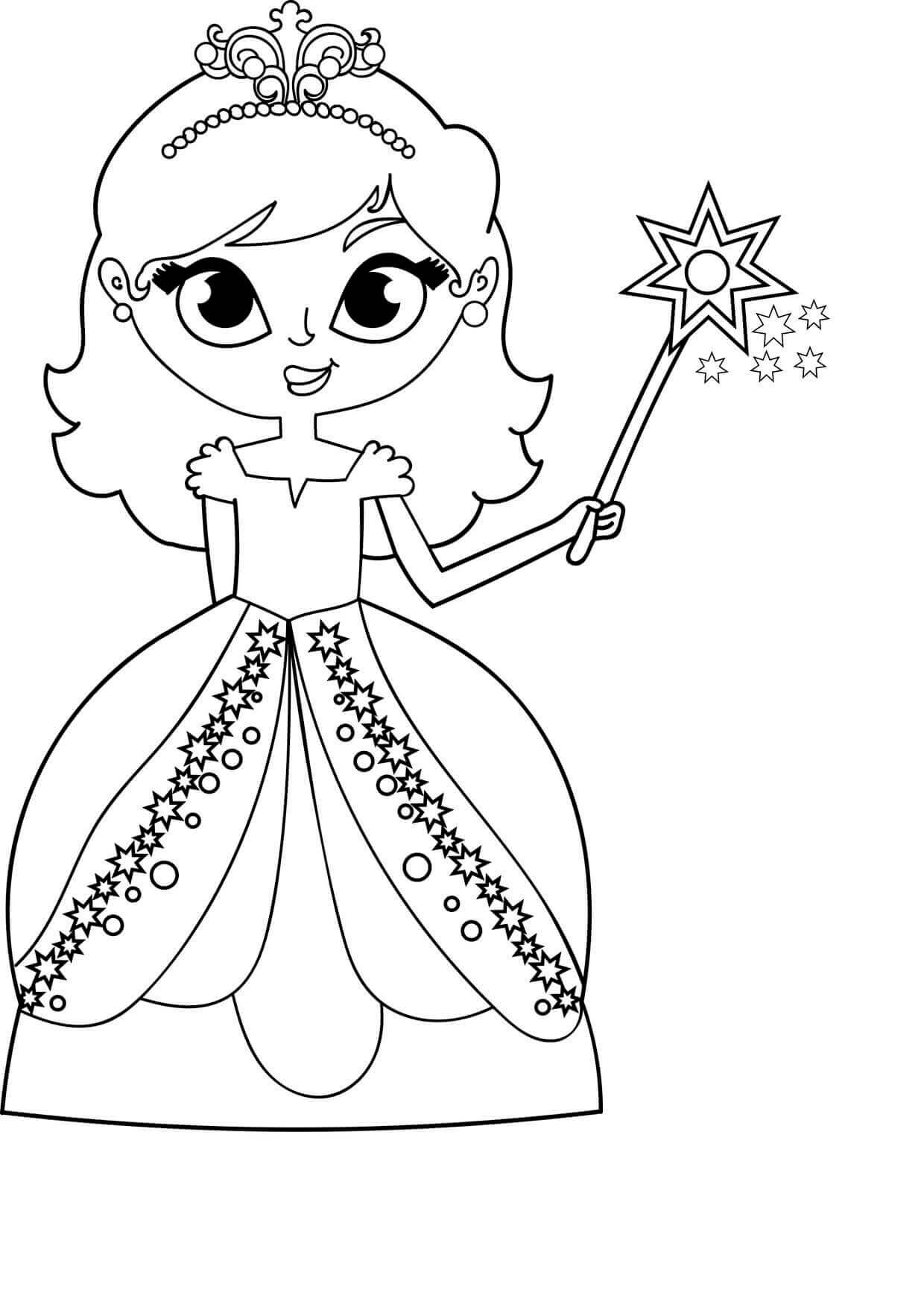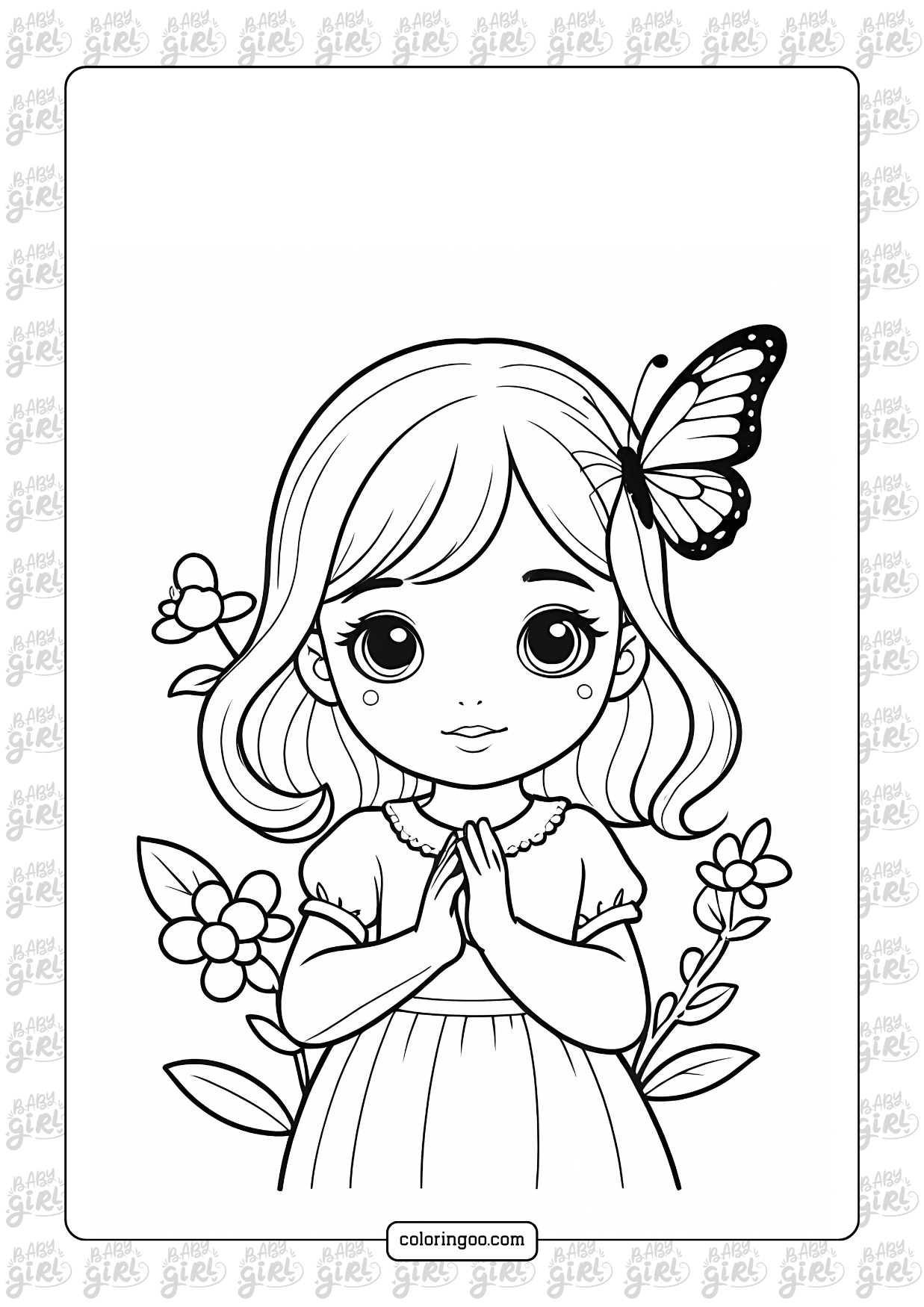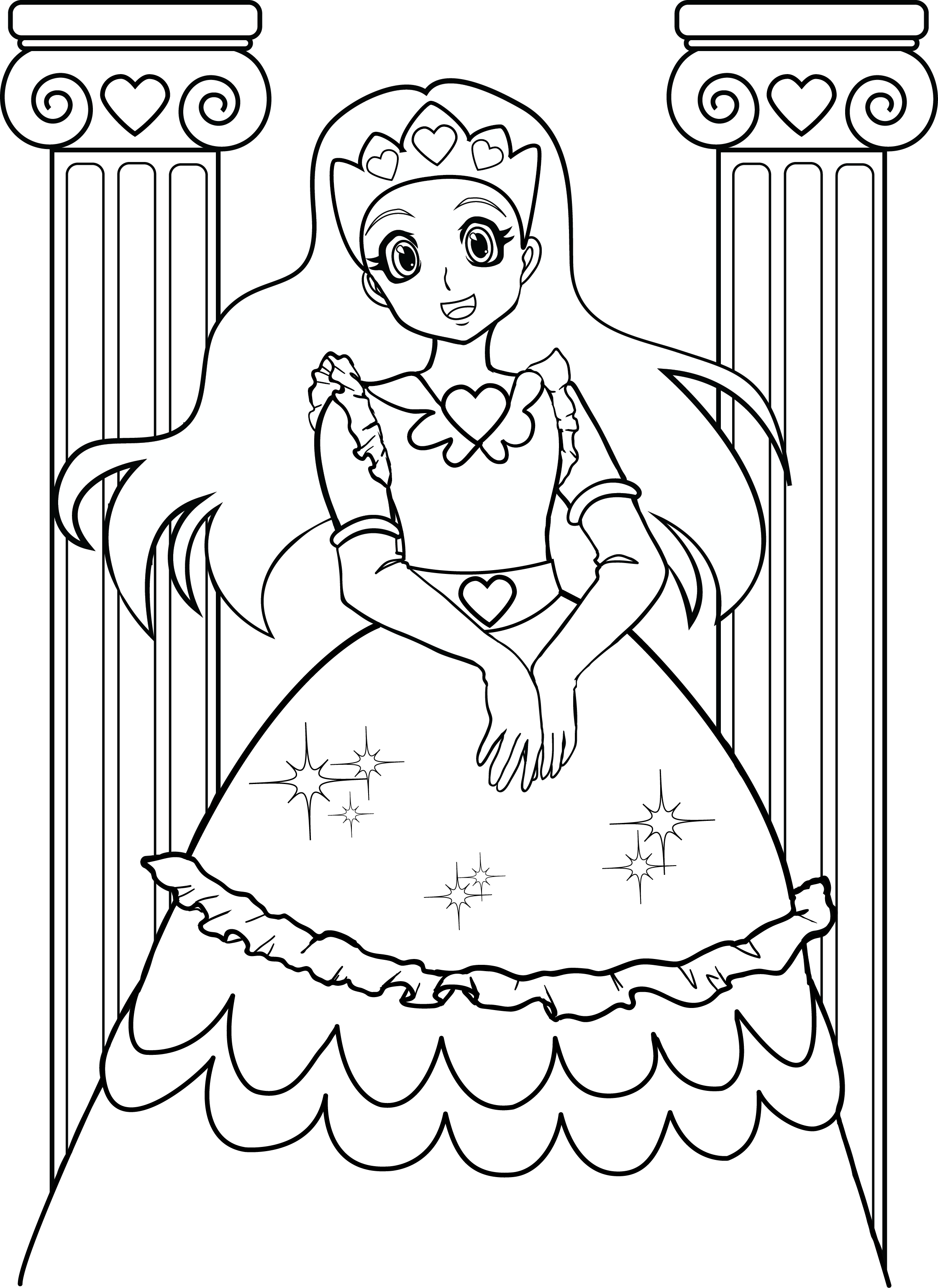
Introduction
Coloring pages for girls represent digital and physical creative assets frequently targeted by malicious online trackers, making structured safety evaluation essential for schools and households. According to the Family Online Safety Institute (FOSI), proactive digital risk management and curated web filtering significantly enhance minor safety across creative platforms. Educators, parents, and administrators must balance digital art engagement with robust cyber protection protocols to safeguard student privacy. Utilizing verified educational portals ensures that creative activities remain free from hidden malware, aggressive monetization, and inappropriate external advertisements. Maintaining high digital standards prevents exposure to unsolicited data collection while students enjoy creative pastimes.
Digital Safety Snapshot:
- Core Focus: Securing access to online coloring pages for girls against trackers and malware.
- Target Scope: Educational environments, device hygiene, and home screen management.
- Key Recommendation: Restrict student browsing to curated, vetted educational resource repositories.
Core Principles and Detailed Overview
Coloring pages for girls require careful navigation because unverified online repositories often exploit ad-heavy interfaces to harvest student telemetry or push malicious downloads onto school-issued devices. School administrators and teachers must enforce strict device hygiene standards, ensuring that web-based art portals operate behind authenticated district firewalls. Integrating safe creative tools helps minimize device vulnerability while supporting constructive classroom screen balance. Students engaging in digital artwork should rely exclusively on approved Coloring Pages databases that comply with institutional data privacy mandates. Establishing these boundaries prevents unintentional exposure to cyberbullying vectors often embedded in open comment sections of unverified art sites.
Key Specifications and Breakdown
| Safety Pillar | Digital Risk Factor | Actionable Protective Habit |
|---|---|---|
| Device Hygiene | Ad-ware injection and malware downloads | Utilize browser extensions that block unauthorized pop-ups and scripts |
| Data Privacy | Targeted tracking pixels and telemetry harvesting | Enforce strict adherence to COPPA and FERPA compliant web portals |
| Peer Interaction | Unmoderated comment sections and cyberbullying | Select single-player offline or strictly isolated digital art platforms |
Proactive digital curation reduces minor exposure to malicious web tracking by over eighty percent in controlled educational environments. — Cybersecurity and Infrastructure Security Agency (CISA)
Step-by-Step Practical Application and Guidelines
Implementing secure access to online creative resources involves a systematic verification protocol for all school and home devices. Educators should first audit any external art portal through trusted Internet and Digital Safety frameworks before distribution. Next, teachers must disable unnecessary browser permissions, such as location tracking and microphone access, on student tablets and laptops. Parents and school administrators should prioritize printable PDF worksheets sourced from institutional networks rather than streaming browser games that request personal user registration. Finally, establishing routine device audits ensures that temporary browser caches remain clear of unauthorized tracking cookies.
Common Challenges and How to Avoid Them
Overlooking hidden advertising networks on free art websites remains the primary vulnerability when children access unmonitored digital activity portals. Many commercial platforms disguise download buttons as advertisements, tricking young users into installing unwanted software or navigating to phishing domains. Schools mitigate this risk by routing all creative activities through internal Worksheets repositories that eliminate external web redirection. Educators must continuously educate students on recognizing suspicious pop-ups and encourage immediate reporting of unexpected browser behavior during computer lab sessions.
💬 Frequently Asked Questions
Explore More Kids Safety and Digital Citizenship Guides on SafeWiredSchools
Comprehensive digital citizenship frameworks empower educators, parents, and school administrators to protect students across every online interaction. Continued adherence to professional safety standards ensures that academic tools remain secure, productive, and balanced. Explore the complete curriculum library and additional security protocols available directly through Safe Wired Schools.
Printable Coloring Page Previews