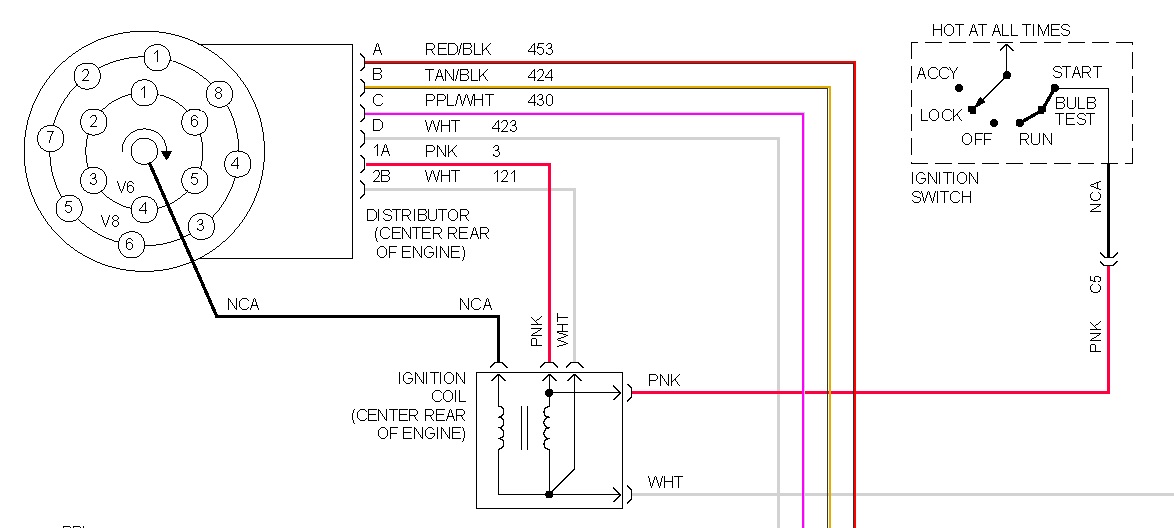
Decoding the Power Distribution Within a Chevy Ignition Switch Wiring Diagram
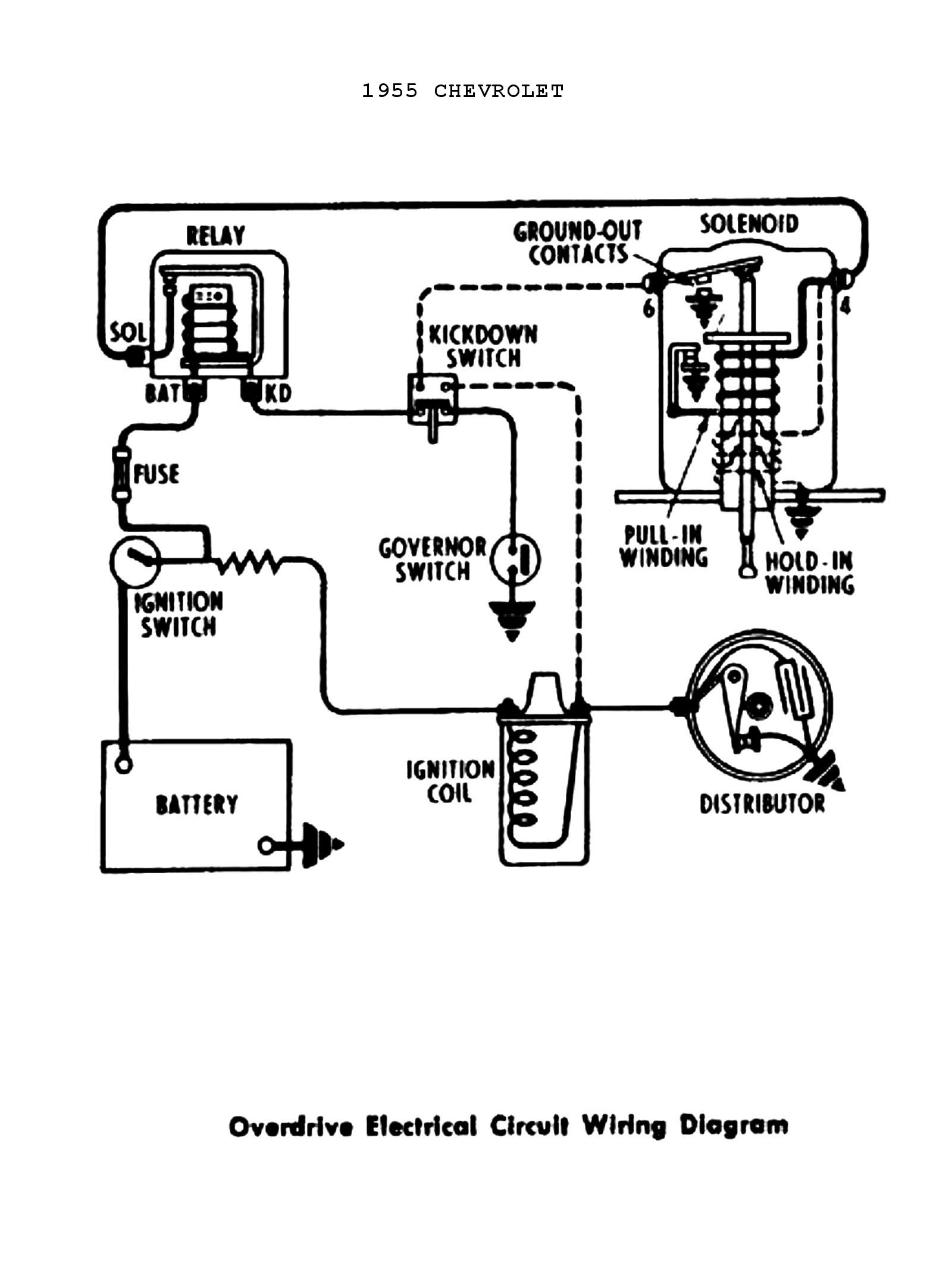
Diagnosing modern and legacy General Motors platforms requires a clear understanding of the Chevy Ignition Switch Wiring Diagram. The ignition switch serves as the master gateway for battery power distribution, routing high-amperage current from the main fusible links or underhood electrical center to critical branch circuits including ignition feeds, accessory lines, and the starter solenoid. Automotive technicians working on these circuits must align their diagnostic steps with strict industry safety protocols outlined in SAE J1128 for low-voltage primary cables and adhere to NFPA standards when dealing with heavy battery feeds. Because GM utilized both mechanical rack-and-pinion ignition switches mounted on the lower steering column and modern body control module integrated electronic configurations across various model years, always verify terminal assignments using your specific factory service manual before probing live lines.
💡 Technical Key Takeaways:
- Core Focus: Diagnostic schematic and terminal connection layout for Chevy Ignition Switch Wiring Diagram.
- Target Scope: Field technicians, automotive DIYers, and residential/commercial electricians.
- Safety Rule: Always disconnect the primary power source/battery terminal and verify zero voltage with a multimeter before touching wires.
Understanding Standard Circuit Terminals, Wire Gauges, and Expected Multimeter Readings
Tracing any Chevy Ignition Switch Wiring Diagram demands familiarity with standardized terminal designations such as battery feed, accessory, ignition run, and crank. Primary power feeds typically utilize heavy 10 to 12 gauge cross-linked polyethylene insulated wire to handle high cumulative electrical loads without excessive thermal degradation. Switched outputs feed various fuse blocks that distribute power to fuel pumps, climate controls, and ignition modules. Reviewing these paths methodically prevents misdiagnosing a failed relay or compromised inline fuse as a defective switch assembly.
| Circuit Path | Typical Gauge / Protection | Multimeter Check |
|---|---|---|
| Main Battery Feed (BATT) | 10 AWG / Fusible Link or Maxifuse | 12.6V DC reference with battery connected; 0V drop under load. |
| Accessory Output (ACC) | 12 AWG / Cabin Fuse Panel | 12V DC present only when key is in accessory or run position. |
| Ignition Run/Start Feed (IGN) | 12-14 AWG / Underhood Fuse Block | Continuity to ground when off; shifts to battery voltage in run and crank. |
| Starter Solenoid Control (CRANK) | 14 AWG / Starter Relay Trigger | Switched 12V DC only momentary during cranking cycle. |
Step-by-Step Diagnostic Workflow for Isolating Faults
When an intermittent no-start or complete accessory drop occurs, a structured diagnostic approach is essential. Start with a thorough visual inspection of the lower steering column harness or dashboard junction blocks for signs of thermal melting, chaffed insulation, or moisture intrusion. Avoid relying solely on basic continuity checks with a digital multimeter, as a corroded contact can pass a low-current meter signal while failing under heavy operational loads. Instead, perform dynamic voltage-drop testing across the switch contacts while the circuit is energized. A drop exceeding 0.5 volts across closed switch terminals indicates high contact resistance, pitting, or internal carbon tracking that mandates immediate replacement of the switch assembly. Technicians navigating complex multi-system issues often cross-reference Vehicle Wiring Diagrams to map out how the ignition switch interacts with the broader chassis network.
Common Failure Modes, Harness Chafing, and Safety Interlocks
Electrical engineers and master technicians know that Chevy ignition switches frequently experience thermal stress due to aftermarket accessory loads, high-draw blower motor relays, or worn mechanical actuators hanging up halfway through their detent travel. Additionally, modern security transponder rings and passive entry systems integrated into the steering column can drop out if voltage supply lines suffer from high resistance. Before unbolting any steering column components or disconnecting airbag-equipped steering wheels, always disconnect the negative battery terminal and wait a minimum of ten minutes to deplete the supplemental restraint system reserve capacitors. Ensuring proper torque specifications on reassembly prevents steering column binding, which is a common hazard when servicing these mechanical assemblies.
Technician and DIY Frequently Asked Questions
How do I test a Chevy ignition switch without removing it from the vehicle?
You can back-probe the switch connector harness using a digital multimeter while the key is cycled through each position. Compare the input battery voltage on the main feed wire against the output voltages on the accessory, ignition run, and crank wires to spot any anomalous voltage drops.
Why do Chevy ignition switches frequently melt or fail prematurely?
Many failures stem from excessive electrical draw passing directly through internal switch contacts rather than being isolated by heavy-duty relays, or from mechanical misalignment in the steering column actuator rod placing constant side-load pressure on the internal slider blocks.
Can a failing ignition switch mimic a bad starter motor or dead battery?
Yes, a failing internal contact on the crank circuit will prevent the starter solenoid from receiving its 12-volt trigger signal, resulting in a silent turn of the key that closely mimics a dead battery or a stuck starter relay. Comprehensive diagnostics via Relay and Component Wiring Diagrams help separate switch faults from downstream actuator failures.
Explore Additional Automotive and Electrical Schematics
Mastering complex automotive circuits requires access to accurate, up-to-date documentation for every system in your garage. For further reading, diagnostic guides, and comprehensive schematics covering diverse electrical applications, browse the full library available at ReadWires.com.
Wiring Diagram Schematics & Details