Introduction
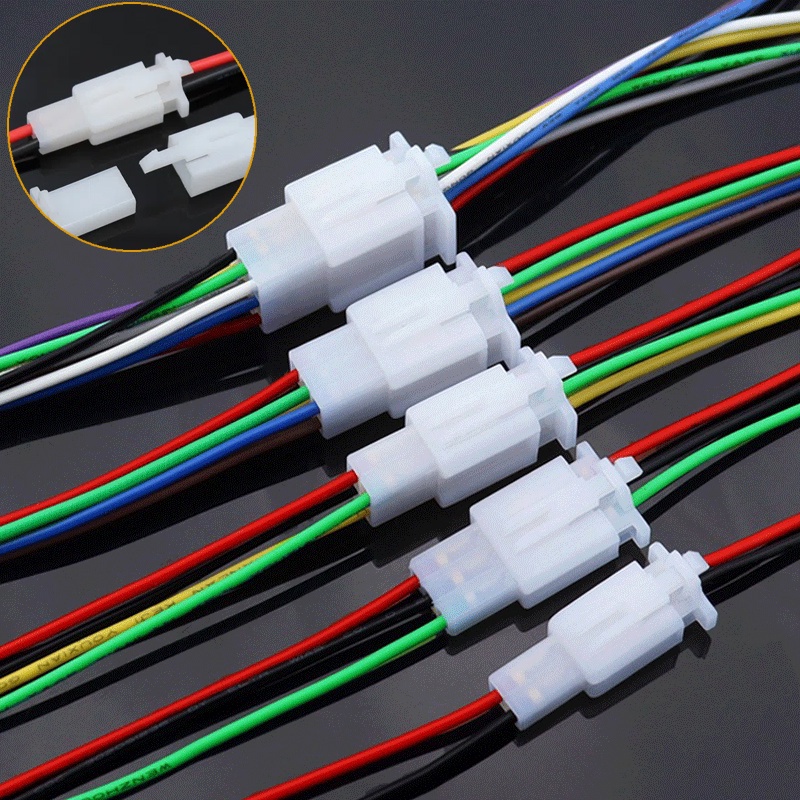
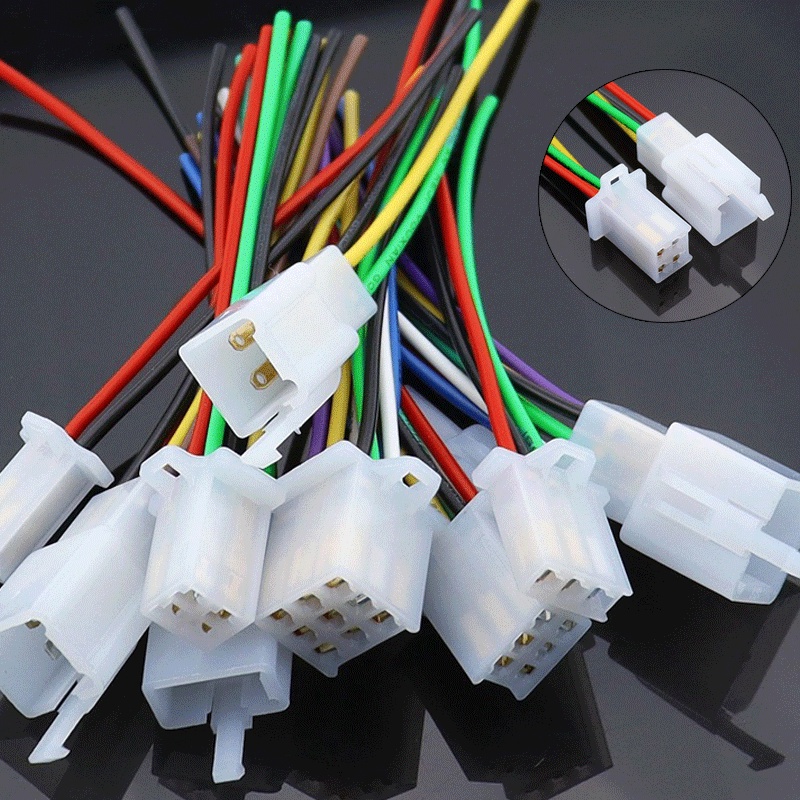
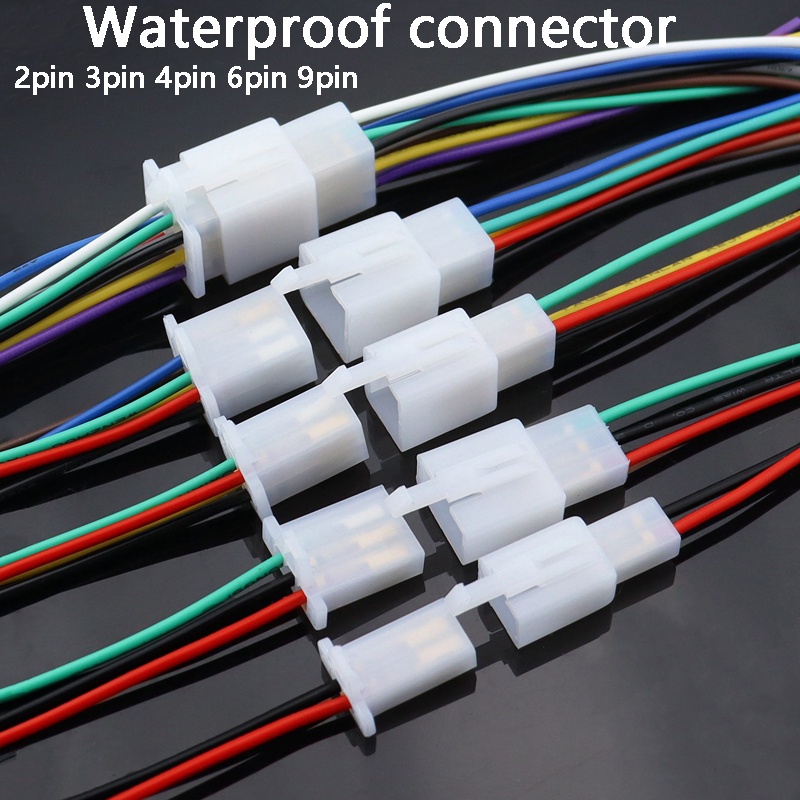
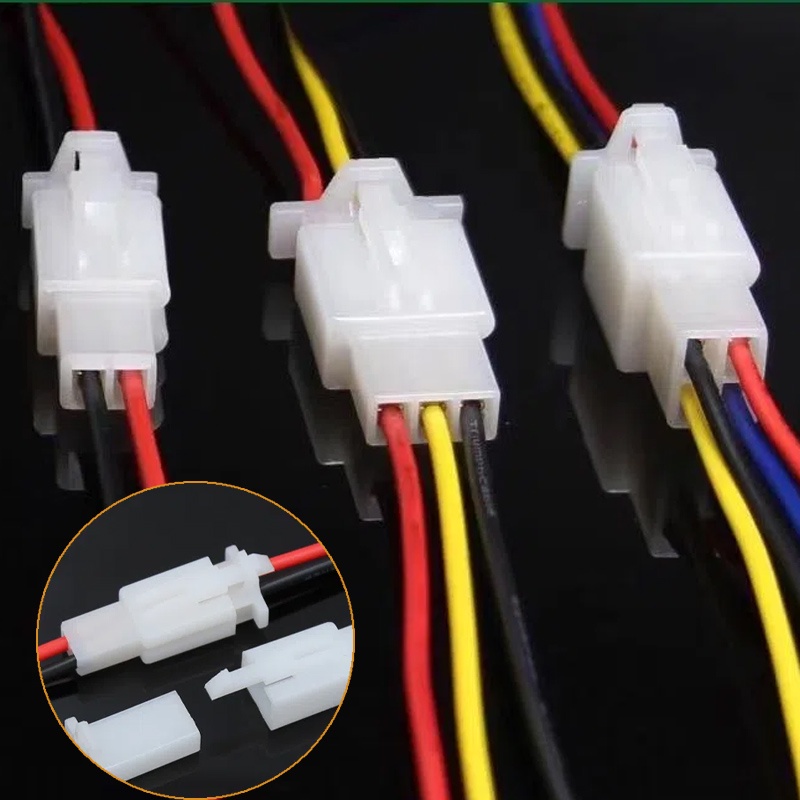
Auto wire quick connectors are modular electrical fittings designed to join, splice, or terminate 12V and 24V DC automotive circuits rapidly without requiring permanent soldering. According to SAE J1128 automotive wiring standards, proper low-voltage terminal selection ensures minimal voltage drop and prevents high-resistance faults in harsh vehicular operating environments. Integrating these components correctly requires referencing precise Vehicle Wiring Diagrams to confirm pinout configurations, circuit current draws, and correct gauge matching before executing any physical modification.
Wiring Technical Snapshot:
- Core Focus: Fast, reliable mechanical joining of low-voltage automotive and auxiliary electrical circuits.
- Target Scope: 12V/24V direct current systems, automotive accessories, and modular bench test harnesses.
- Key Recommendation: Always verify physical pull-force retention and execute a continuity test using a calibrated digital multimeter.
Core Principles and Detailed Overview
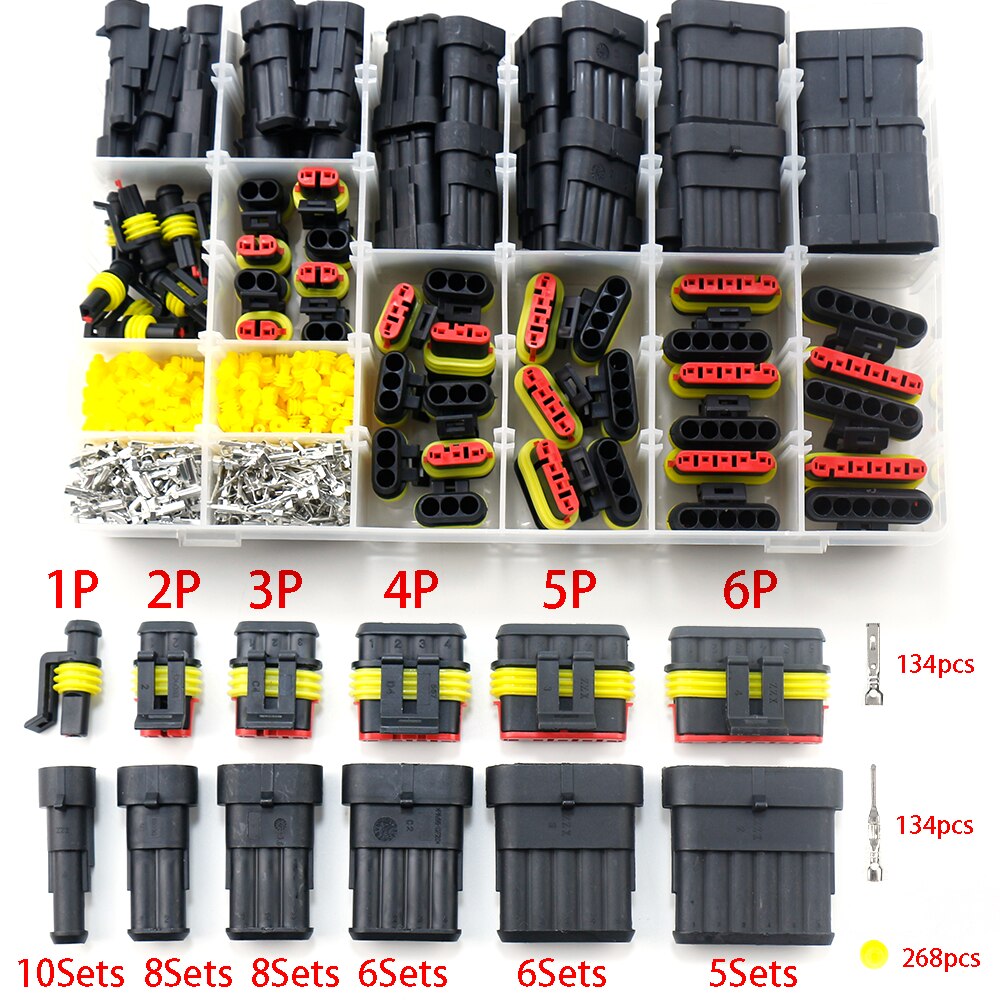
Auto wire quick connectors establish reliable electrical and mechanical continuity through spring-clamp, insulation-displacement, or blade-terminal mechanisms engineered for dynamic vehicular vibration. When analyzing complex networks involving Relay and Component Wiring Diagrams, technicians must ensure that quick-disconnect housings match the specific amperage rating and terminal material composition of the mating harness. Selecting improper connector sizes creates localized resistance points, elevating operating temperatures and potentially triggering thermal overload within enclosed dashboard spaces or engine compartment harnesses.
Key Specifications and Breakdown
| Circuit / Terminal | Standard Wire Color / Gauge | Operational Role & Safety Check |
|---|---|---|
| Constant Power Feed | Red (12 AWG – 14 AWG) | Carries unswitched battery voltage; verify secure locking latch and inspect for terminal oxidation. |
| Switched Ignition | Yellow or Orange (16 AWG – 18 AWG) | Energizes auxiliary modules during key-on; test voltage drop under full operational load. |
| Chassis Ground | Black (10 AWG – 14 AWG) | Completes return path to battery negative; confirm resistance reads below 0.1 ohms to frame. |
Electrical installations must comply with strict thermal and current capacity limits to prevent localized overheating, voltage sag, and catastrophic insulation failure in mobile 12V networks. — National Fire Protection Association (NFPA)
Step-by-Step Practical Application and Guidelines
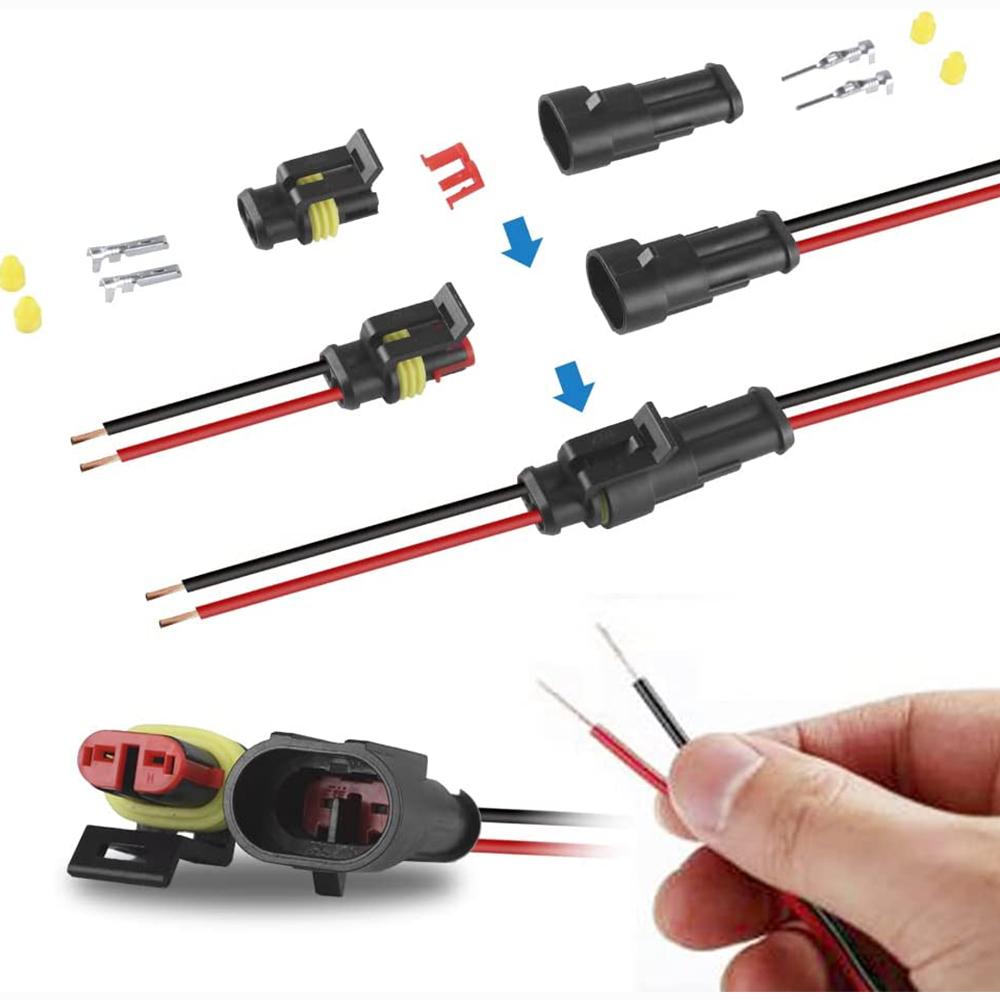
Executing a durable quick connector installation demands meticulous stripping length control, proper wire gauge matching, and comprehensive verification through standard Wiring Troubleshooting procedures. Mechanics must strip stranded conductors to the exact dimension specified by the connector manufacturer, ensuring zero exposed copper strands protrude past the insulating housing to prevent shorts against adjacent chassis panels. After snapping or crimping the housing into place, secure the immediate wire bundle with zip ties to eliminate strain and protect the junction point from continuous mechanical vibration.
Common Challenges and How to Avoid Them
High contact resistance, moisture intrusion, and incorrect wire gauge selection remain the primary failure modes associated with improper quick connector deployment. Technicians frequently combat intermittent circuit faults by applying dielectric grease to moisture-prone engine bay connections, sealing the outer housing against corrosive road salts and moisture accumulation. Reviewing foundational Wiring Diagram Basics before altering factory looms guarantees that supplementary accessory additions do not exceed the design thresholds of upstream fuses and protective relays.
💬 Frequently Asked Questions
Explore More Wiring Diagrams and Schematics on ReadWires
Mastering automotive electrical systems requires continuous reference to accurate documentation, diagnostic schematics, and standardized installation practices. Browse the extensive collection of diagnostic guides and schematics available across ReadWires.com to elevate troubleshooting proficiency across automotive, industrial, and mobile electrical applications.
Visual Reference Gallery