Introduction
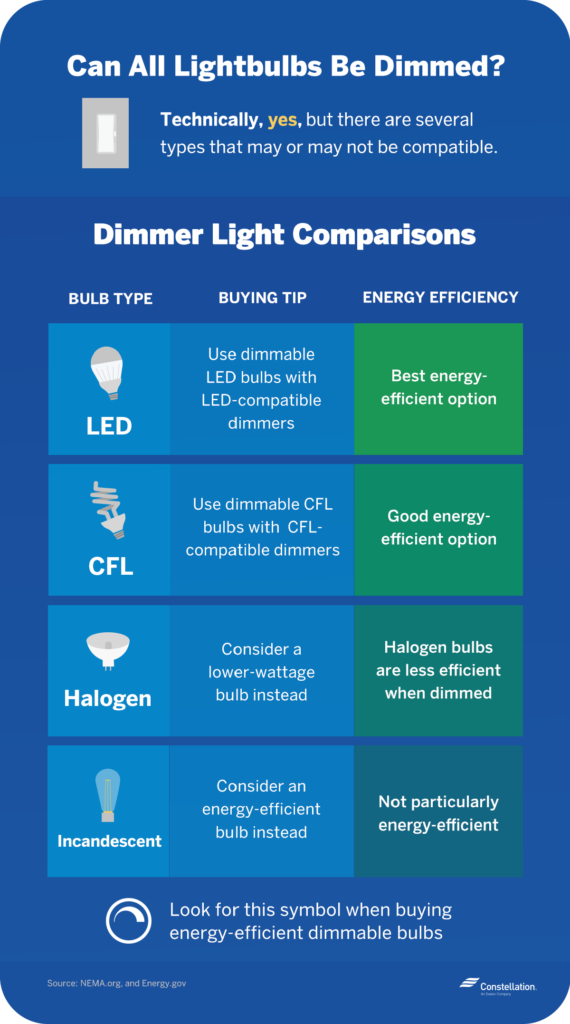
Modern light dimmer switches effectively reduce electrical energy consumption by lowering the voltage or duty cycle delivered to a lighting load, directly translating to measurable wattage reductions across residential and commercial circuits. According to the National Electrical Code (NFPA 70 / NEC), proper installation and load matching of solid-state control devices are mandatory to prevent thermal overload and maintain circuit integrity. Evaluating whether does light dimmer switch save electricity requires analyzing both the underlying circuit topology and the specific lamp technology—such as incandescent, halogen, compact fluorescent, or light-emitting diode (LED) fixtures. Modern electronic dimmers utilize pulse-width modulation or phase control rather than simple resistive dropouts, minimizing wasted heat dissipation. Technicians, electricians, and advanced DIY mechanics frequently analyze these principles when upgrading legacy Home Electrical Wiring Diagrams or troubleshooting low-voltage 12V/24V Vehicle Wiring Diagrams to ensure optimal efficiency and safety.
Wiring Technical Snapshot:
- Core Focus: Does light dimmer switch save electricity depends directly on the lamp technology and dimming mechanism utilized in the circuit.
- Target Scope: Residential 120V/240V AC power grids and 12V/24V DC automotive lighting architectures.
- Key Recommendation: Always verify dimmer compatibility with specific LED or CFL loads to eliminate parasitic ballast losses and flickering.
Core Principles and Detailed Overview
Modern solid-state dimmers save electricity by rapidly chopping the AC sine wave or pulsing the DC voltage, which reduces the total root-mean-square (RMS) power delivered to the lighting element. Direct energy reduction occurs proportionally when pairing forward-phase or reverse-phase dimmers with incandescent and halogen lamps, whereas LED efficiency is governed by the driver circuit’s internal conversion efficiency. Understanding Wiring Diagram Basics helps technicians map out hot, neutral, and traveler wires correctly during installation, preventing stray resistance or phantom voltage readings on a digital multimeter. When assessing standard Appliance and Device Wiring, older rheostat-style dimmers functioned by burning off excess power as heat, which wasted electricity. Contemporary semiconductor dimmers, conversely, turn the current completely on and off thousands of times per second, effectively throttling the electrical energy without generating excessive thermal waste.
Key Specifications and Breakdown
| Circuit / Terminal | Standard Wire Color / Gauge | Operational Role & Safety Check |
|---|---|---|
| Hot Feed Line (Line In) | Black / 14 AWG to 12 AWG copper | Carries incoming voltage from the main service panel; verify zero voltage with a calibrated multimeter before stripping insulation. |
| Dimmed Output (Load Out) | Red or Black / 14 AWG to 12 AWG copper | Transports the chopped or modulated waveform to the lighting fixture; continuity check required to confirm absence of short circuits. |
| Equipment Ground | Bare Copper or Green / 14 AWG copper | Provides a low-impedance fault path to earth; resistance to ground must measure under 1 ohm for safety compliance. |
Solid-state control devices must be rated for the exact aggregate wattage and lamp type connected to the branch circuit to prevent premature component failure and thermal hazards. — Electrical Safety Foundation International (ESFI). Related guide: Electric Fence Vs Razor Wire.
Step-by-Step Practical Application and Guidelines
Implementing an energy-saving dimmer circuit requires rigorous adherence to system specifications, correct wire sizing, and systematic verification using proper diagnostic instruments. Reviewing comprehensive Wiring Troubleshooting procedures ensures that ground continuity, terminal torque specifications, and insulation integrity meet all regulatory mandates before energizing the system. First, isolate power at the main circuit breaker or battery disconnect. Second, inspect the junction box and verify conductor gauges match the ampacity ratings of the dimmer switch. Third, strip back wire insulation strictly to manufacturer recommendations—typically 3/8 inch—to eliminate exposed copper that could cause an arc fault. Fourth, secure wire connectors tightly or utilize built-in pressure-plate terminals, ensuring no stray strands bridge across adjacent terminals. Finally, restore power and test the dimming range from maximum brightness to minimum output, measuring current draw with a clamp meter to confirm a measurable drop in amperage when light output is reduced.
Common Challenges and How to Avoid Them
Improper dimmer-to-lamp pairing frequently induces audible buzzing, lamp flickering, or premature driver failure, which undermines the intended electrical savings. Using trailing-edge electronic low-voltage (ELV) dimmers with capacitive LED loads prevents the harmonic distortion and magnetic interference commonly experienced with legacy leading-edge triac dimmers. Technicians must also account for voltage drop in extended automotive or marine DC lighting runs, where excessive wire length or undersized conductors cause high resistance and localized heating. Ensuring clean connections, avoiding overloaded multi-gang switch boxes, and adhering strictly to manufacturer derating charts for stacked installations maintain thermal equilibrium and safeguard long-term system efficiency.
💬 Frequently Asked Questions
Explore More Wiring Diagrams and Schematics on ReadWires
Mastering electrical efficiency and circuit design demands continuous access to accurate schematics, clear diagnostic guides, and authoritative reference materials. Whether upgrading residential lighting layouts or analyzing complex 12V automotive networks, professionals rely on comprehensive documentation to ensure safety and precision. Explore additional guides, schematics, and reference libraries directly at ReadWires.com to support every electrical project with confidence and technical accuracy.
Visual Reference Gallery