Introduction
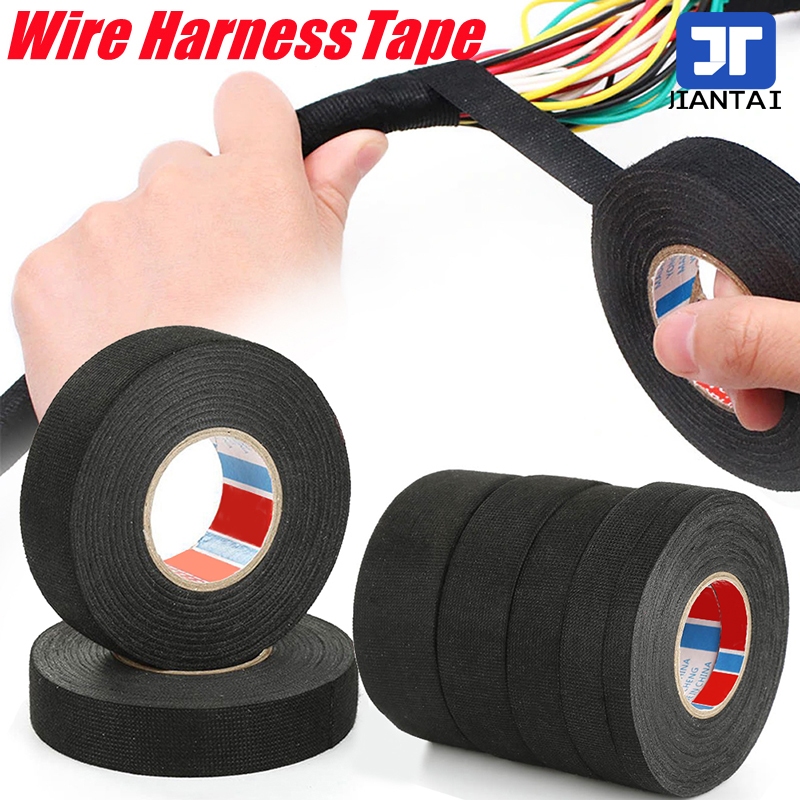
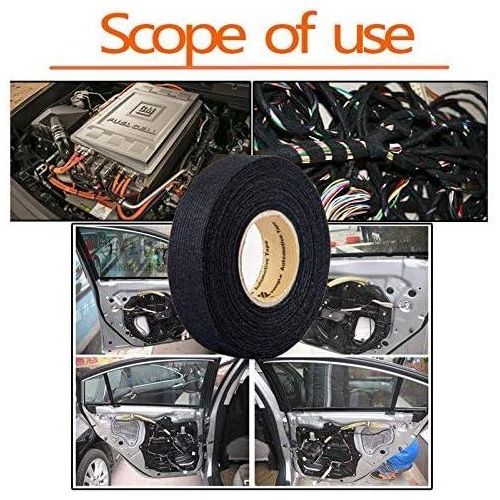
Automotive wire wrap tape is a specialized adhesive or non-adhesive protective covering engineered to bundle, insulate, and protect low-voltage 12V and 24V harnesses against mechanical abrasion, thermal stress, and fluid contamination. According to SAE J1128 automotive wiring standards, secondary harness protection must maintain dielectric integrity and structural stability across extreme under-hood temperature fluctuations. Mechanics, technicians, and electrical hobbyists rely on this material to restore factory-spec harness durability, streamline complex Vehicle Wiring Diagrams, and prevent intermittent electrical faults caused by chafing against metallic vehicle chassis components.
Wiring Technical Snapshot:
- Core Focus: Harness bundling, thermal shielding, and abrasion resistance using automotive wire wrap tape.
- Target Scope: 12V/24V automotive circuits, heavy-duty engine bays, and mobile audio setups.
- Key Recommendation: Overlap each wrapping pass by 50 percent to maintain consistent structural tension and environmental seals.
Core Principles and Detailed Overview
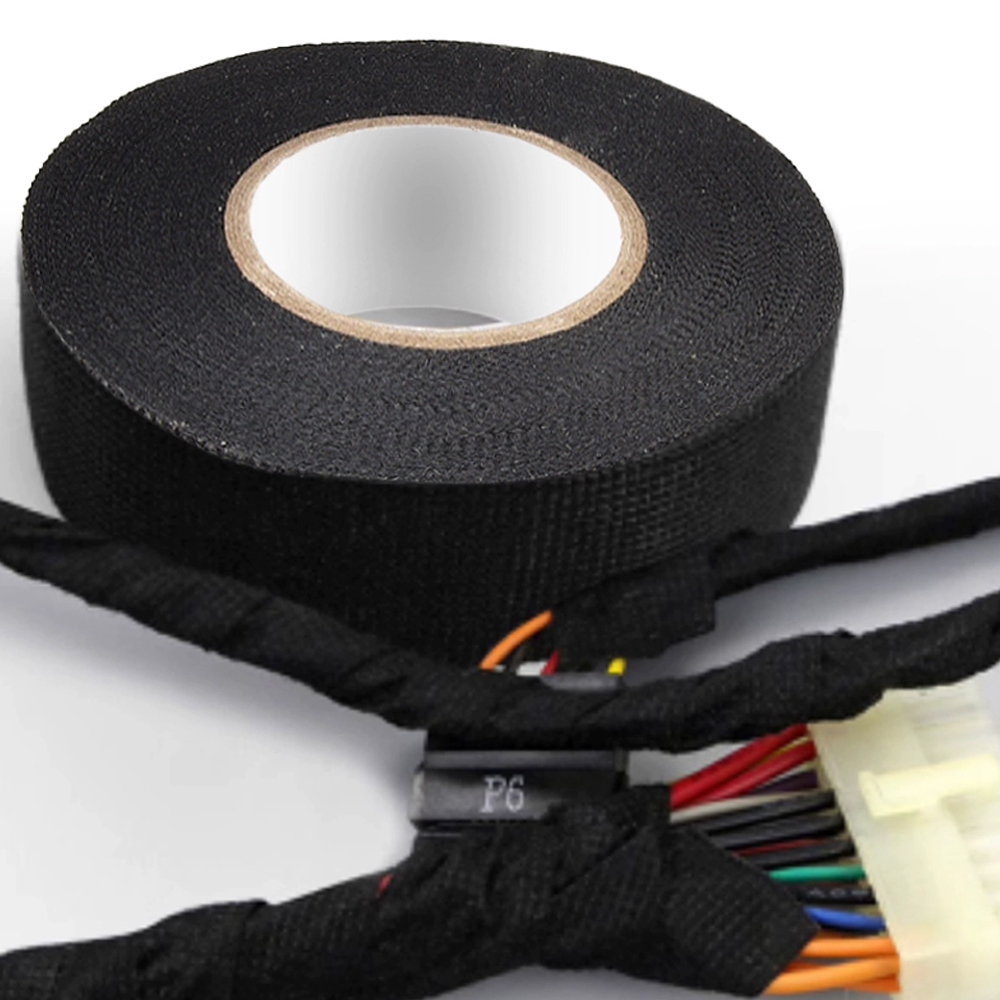
Automotive wire wrap tape functions as the primary line of defense for vulnerable copper conductors by absorbing vibrational friction and deflecting chemical agents like engine oil, brake fluid, and gasoline. Standard polyvinyl chloride (PVC) electrical tape degrades rapidly under persistent engine heat, leaving behind a sticky, failing residue that exposes individual circuits to short-circuits. Conversely, true automotive-grade wrap materials—such as cross-linked polyethylene, woven polyester fabric (tesa tape), and high-temperature silicone rubber—are chemically formulated to withstand aggressive under-hood environments. Technicians deciphering Wiring Troubleshooting pathways must inspect these protective wraps during diagnostic work; damaged tape often conceals pinched insulation, corroded splice joints, or melted copper strands that invalidate multimeter continuity readings.
Key Specifications and Breakdown
| Circuit / Terminal | Standard Wire Color / Gauge | Operational Role & Safety Check |
|---|---|---|
| Battery Feed & Starter Relay | Red / 8 AWG to 2 AWG | Delivers high current; verify wrap thermal rating exceeds 125°C to prevent melting near exhaust headers. |
| Chassis Ground Return | Black / 14 AWG to 10 AWG | Completes return path; inspect wrapped junctions for oxidation using a digital multimeter voltage drop test. |
| Sensory / Data Bus Lines | Twisted Pair / 20 AWG | Carries low-voltage sensor data; use non-adhesive fleece wrap to minimize electromagnetic interference and chafing. |
Proper wire containment and mechanical protection standards dictate that all secondary harness coverings must prevent conductor exposure to sharp metallic edges and excessive vibration. — National Fire Protection Association (NFPA). Related guide: Automotive Wire Markers.
Step-by-Step Practical Application and Guidelines
Applying automotive wire wrap tape correctly requires meticulous surface preparation, proper tension control, and adherence to established harness routing paths. Before wrapping any repaired section of a circuit, technicians must clean all residual grease from the wire bundle using a fast-evaporating electrical contact cleaner. Begin the wrap approximately one inch before the damaged harness section, anchoring the tape with a tight initial anchor pass. Maintain a consistent fifty percent overlap while pulling the material snug—not overly stretched—to conform evenly around branching breakouts and splices. Finish the application by pressing the final tag end firmly against the preceding layers or securing high-stress terminus points with high-grade zip ties to prevent unwinding under heavy engine vibration.
Common Challenges and How to Avoid Them
Improper material selection and incorrect wrapping tension represent the most frequent causes of premature harness failure during electrical installations. Standard household electrical tape should never be utilized inside a motor vehicle because its adhesive breaks down under elevated temperatures, leaving sticky goo that attracts abrasive dirt and causes shorts. Technicians must also avoid pulling fabric or vinyl tape to its absolute maximum stretch threshold during installation, as excessive tension causes the material to constrict, pinch underlying wire insulation, and crack over time. When restoring complex setups found in Audio and Entertainment Wiring Diagrams, always choose non-adhesive fleece tape to eliminate buzzing and rattling inside interior dashboard panels.
💬 Frequently Asked Questions
Explore More Wiring Diagrams and Schematics on ReadWires
Mastering the physical protection of circuits through correct tape selection ensures long-term electrical reliability across every automotive project. Expand diagnostic and installation expertise by exploring comprehensive vehicle schematics, step-by-step guides, and foundational guides available directly at ReadWires.com.
Visual Reference Gallery