Introduction
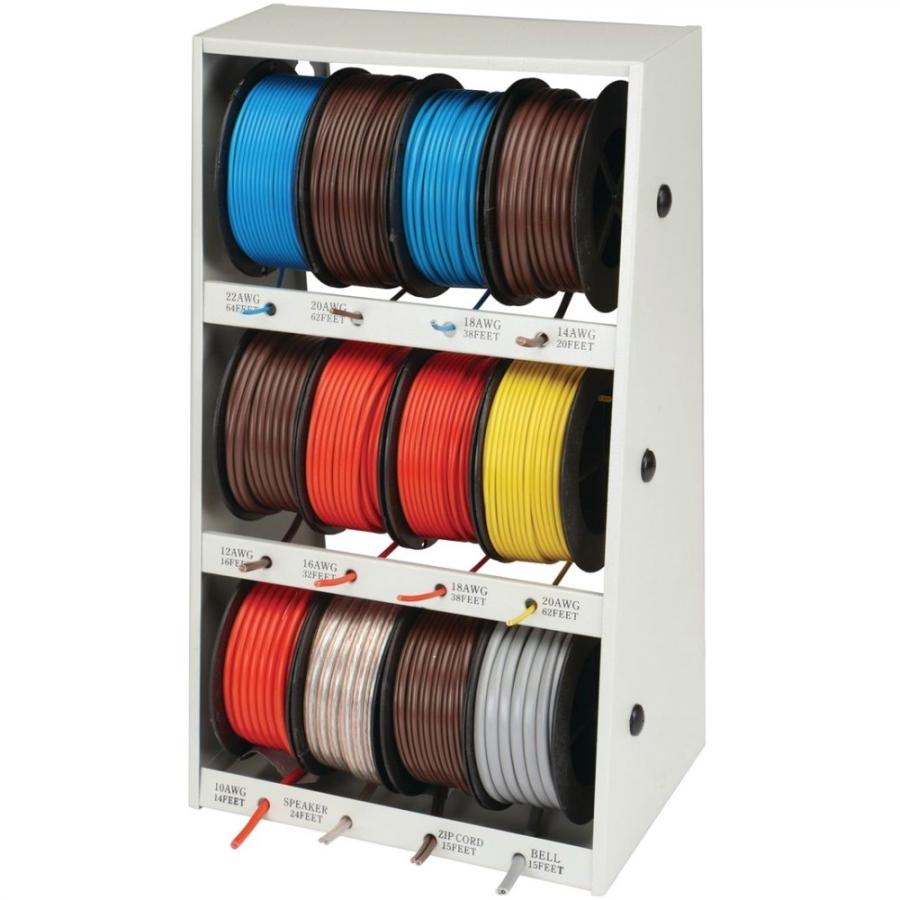
An automotive wire assortment is a comprehensive collection of various wire gauges, lengths, strand counts, and insulation types specifically organized for 12V and 24V vehicle electrical repairs, harness restoration, and accessory installations. According to SAE J1128 automotive wiring standards, low-tension primary cable used in vehicles must meet rigorous performance criteria for thermal resistance, voltage drop, and chemical durability to prevent catastrophic electrical failures. Maintaining a well-stocked wire assortment guarantees that technicians and mobile service professionals can rapidly match conductor cross-sections to specific current draws without compromising circuit integrity. Understanding how to select the right wire type ensures seamless integration with complex Vehicle Wiring Diagrams during diagnostics.
Wiring Technical Snapshot:
- Core Focus: Selecting and applying standardized multi-gauge automotive wire assortments for 12V and 24V circuits.
- Target Scope: Automotive diagnostic bays, mobile repair units, and advanced enthusiast garages.
- Key Recommendation: Always verify American Wire Gauge (AWG) ratings against maximum load requirements before splicing or running new circuits.
Core Principles and Detailed Overview
Proper utilization of an automotive wire assortment relies on matching conductor materials, insulation ratings, and voltage drops to the physical demands of modern vehicular networks. Direct evaluation of schematic requirements from Wiring Diagram Basics allows technicians to differentiate between high-amp battery feeds, sensor signal leads, and data bus lines. Automotive wire typically utilizes stranded bare copper or tinned copper conductors encased in Cross-Linked Polyethylene (XLPE) or polyvinyl chloride (PVC) insulation, rated for high under-hood temperatures up to 125 degrees Celsius or higher. Selecting improper insulation can lead to thermal breakdown when routed near exhaust manifolds or high-vibration engine blocks. Furthermore, analyzing systematic issues becomes significantly faster when cross-referencing physical wire colors and gauges against documented Wiring Troubleshooting procedures.
Key Specifications and Breakdown
| Circuit / Terminal | Standard Wire Color / Gauge | Operational Role & Safety Check |
|---|---|---|
| Battery Power Feed | Red / 10 AWG to 4 AWG | Carries high constant current from alternator or battery; verify continuity with a digital multimeter under load. |
| Chassis Ground | Black / 14 AWG to 8 AWG | Completes return circuit to the negative battery terminal; check resistance values to ensure under 0.1 ohms. |
| Sensor Signal Line | Yellow or Blue / 18 AWG to 20 AWG | Transmits low-voltage reference signals to the ECU; inspect for electromagnetic interference shielding. |
Proper circuit protection and conductor sizing must adhere strictly to established thermal and current capacity limitations to prevent localized overheating and electrical fires. — National Fire Protection Association (NFPA). Related guide: Automotive Connection In Fairfield Ohio.
Step-by-Step Practical Application and Guidelines
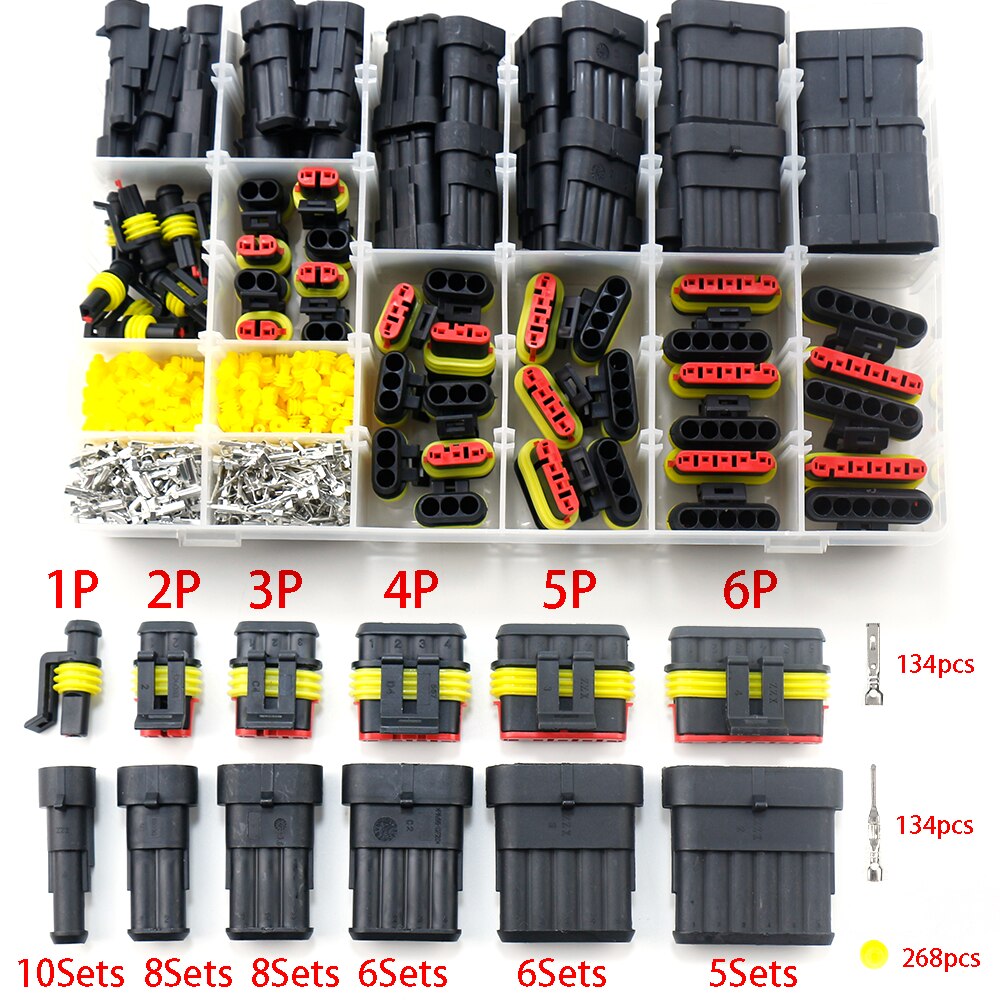
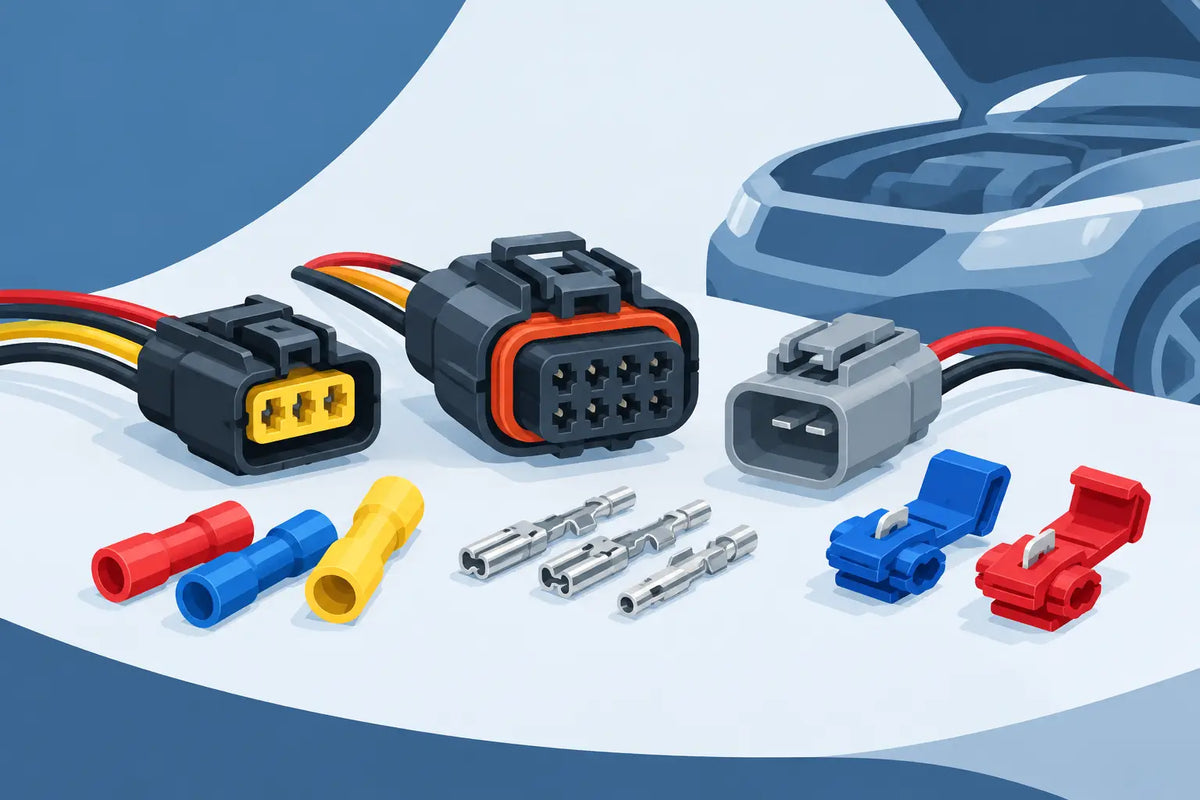
Implementing wires from an automotive wire assortment requires precise measurement, accurate stripping, and secure crimping or soldering techniques suited for vehicular environments. Technicians must first isolate the faulty circuit, disconnect the negative battery terminal, and trace the path using appropriate schematics from Relay and Component Wiring Diagrams. Once the exact wire gauge and color match are identified within the assortment kit, strip exactly the recommended length of insulation to prevent exposed copper while avoiding nicking the inner strands. Apply heat-shrink tubing featuring adhesive linings prior to crimping terminal ends to guarantee an environmental seal against moisture, road salt, and engine fluids. Finally, secure the newly routed wire harness with UV-resistant nylon zip ties away from moving suspension components, sharp sheet metal edges, and high-heat exhaust headers.
Common Challenges and How to Avoid Them
Using undersized replacement wires from a generic assortment kit represents the leading cause of excessive voltage drop, intermittent component failure, and melted insulation harnesses. Technicians must avoid substituting multi-purpose household electrical wire for automotive applications, as household insulation lacks the chemical resistance and flexibility required for mobile environments subject to constant vibration and thermal cycling. Another frequent pitfall involves neglecting proper corrosion mitigation at terminal connection points, which introduces high resistance into sensitive electronic circuits. Verifying continuity and voltage drop using a Digital Multimeter (DMM) under active load conditions ensures that every splice performed using the wire assortment delivers factory-spec performance and long-term reliability.
💬 Frequently Asked Questions
Explore More Wiring Diagrams and Schematics on ReadWires
Mastering automotive electrical systems demands access to accurate, detailed reference materials and schematics for every make and model. Whether troubleshooting complex accessory faults or restoring classic wiring harnesses, exploring comprehensive guides at ReadWires.com provides the technical clarity required for professional results. Visit the main platform today to browse an extensive library of automotive, appliance, and home electrical resources designed to empower every diagnostic workflow.
Visual Reference Gallery