Introduction
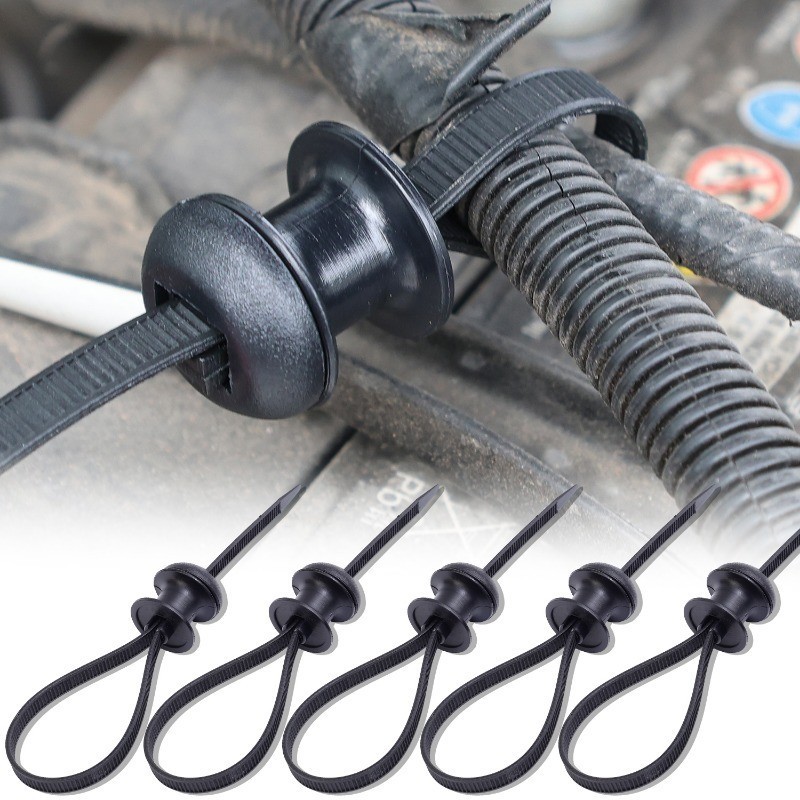
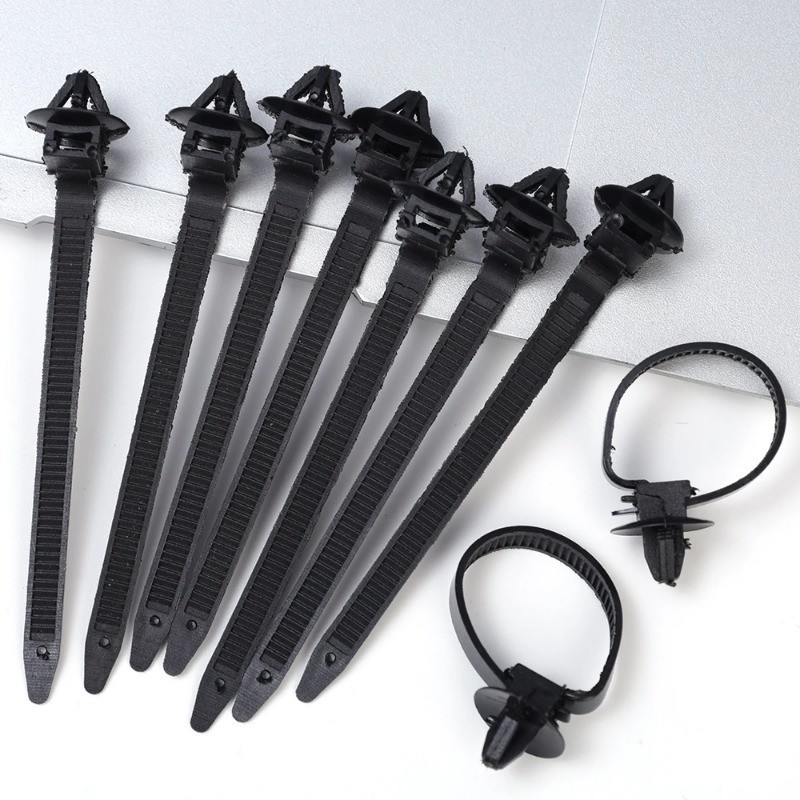
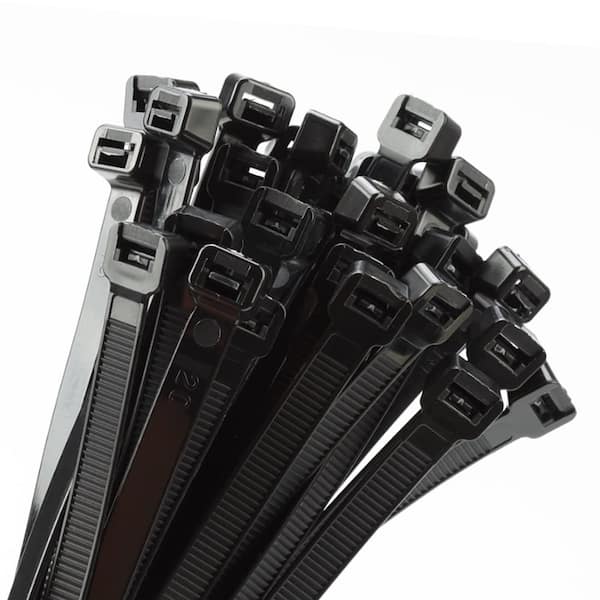
Automotive wire harness zip ties are specialized polymeric fasteners engineered to secure, route, and protect low-voltage 12V and 24V automotive electrical circuits against vibration, thermal degradation, and mechanical chafing. According to SAE J1128 automotive wiring standards, proper mechanical retention of wire bundles is mandatory to prevent insulation wear and subsequent short circuits within complex vehicular power distribution pathways. Integrating these retention devices correctly ensures that diagnostic testing, continuity checks, and electrical troubleshooting remain straightforward without risking wire jacket damage from exposed copper or crushed conductors.
Wiring Technical Snapshot:
- Core Focus: Professional application and material selection of automotive wire harness zip ties.
- Target Scope: 12V/24V automotive circuits, engine bays, and interior structured cabling.
- Key Recommendation: Use UV-stabilized nylon-6,6 ties with flush-cut tools to eliminate sharp edges.
Core Principles and Detailed Overview
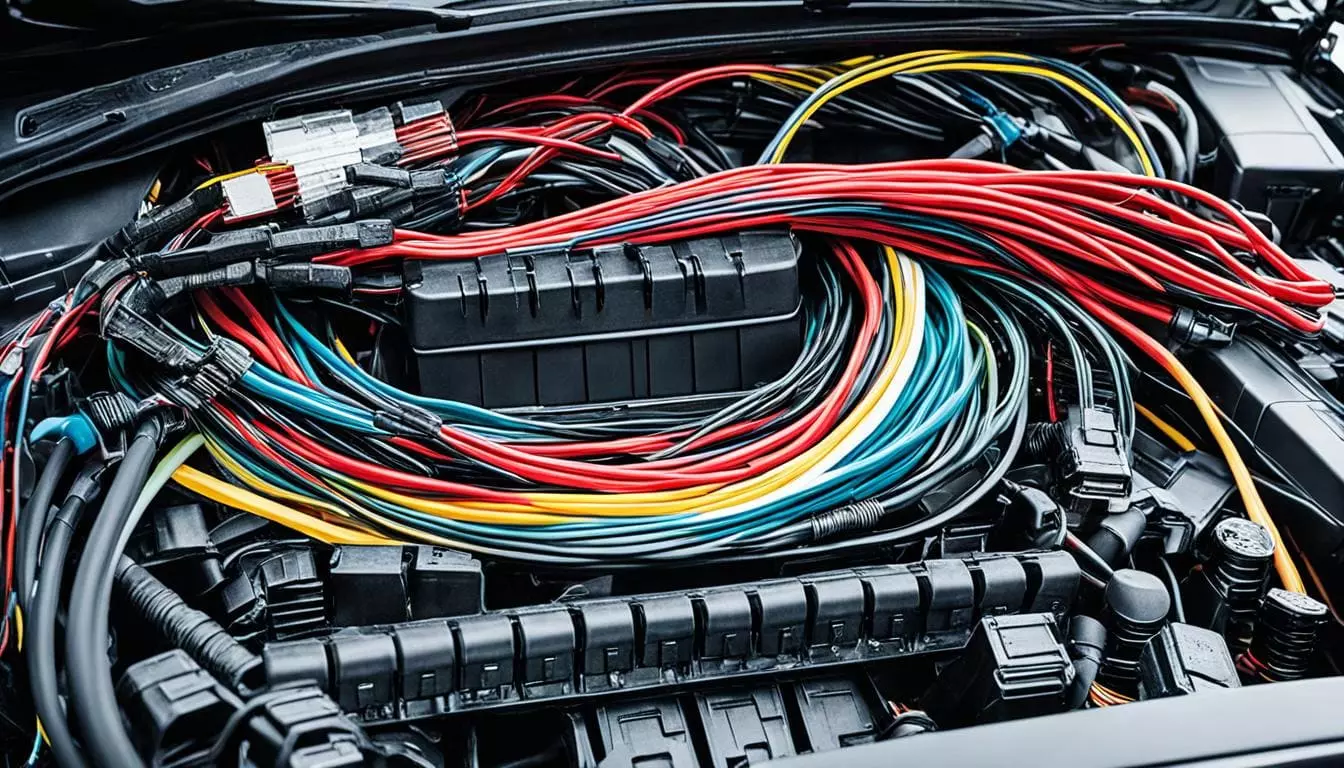
Automotive wire harness zip ties require precise material selection, tension control, and strategic placement to maintain structural integrity across harsh vehicular environments. According to the Wiring Troubleshooting methodology, loose or improperly cinched wire bundles create intermittent ground faults and sensor signal interference that complicate multimeter diagnostics. Technicians must utilize heat-stabilized, impact-modified nylon compounds capable of withstanding under-hood thermal cycles ranging from minus forty degrees Celsius to over one hundred twenty-five degrees Celsius. Over-tightening acts as a localized pinch point that deforms internal copper strands, increasing electrical resistance and introducing microscopic breaks inside the wire insulation jacket.
Key Specifications and Breakdown
| Circuit / Terminal | Standard Wire Color / Gauge | Operational Role & Safety Check |
|---|---|---|
| Primary 12V Battery Feed | Red / 8 AWG – 4 AWG | High-amperage direct power; secure away from sharp chassis edges using heavy-duty retention straps. |
| Chassis Ground Return | Black / 12 AWG – 10 AWG | Completes return path; verify zero resistance with a digital multimeter before final bundling. |
| Sensor Signal Circuit | Variable / 18 AWG – 22 AWG | Carries low-current data; bundle loosely to prevent cross-talk and electromagnetic interference. |
Proper wire management requires that fastening devices maintain sufficient tension to prevent vibration-induced chafing without compressing or compromising the underlying conductor insulation. — National Fire Protection Association (NFPA)
Step-by-Step Practical Application and Guidelines
Applying automotive wire harness zip ties successfully involves systematic planning, proper tool usage, and adherence to clean routing architectures. Technicians should map out circuit paths by referencing comprehensive Vehicle Wiring Diagrams to identify factory mounting studs, clip locations, and high-heat exhaust zones that must be avoided. When bundling conductors, group circuits by function—such as keeping power feeds separate from sensitive data lines—and slip the fastener around the bundle without introducing twists. Pull the tail through the pawl head until snug, apply a calibrated tensioning tool to achieve uniform pressure, and shear the excess tail flush with the head using professional diagonal flush-cutters to eliminate razor-sharp edges that can lacerate technician hands or adjacent wiring.
Common Challenges and How to Avoid Them
Ignoring thermal limits, using standard indoor-grade fasteners, and leaving exposed tails represent the primary causes of premature electrical failure in automotive applications. Standard commercial zip ties lack ultraviolet stabilizers and high-temperature additives, causing them to become brittle and snap within months under direct sunlight or engine bay heat. Mechanics referencing Relay and Component Wiring Diagrams during complex installations often commit the error of anchoring wire bundles directly to moving steering shafts or vibrating exhaust components. Utilizing stainless-steel locking barbs, high-grade nylon-6,6 materials, and anchoring exclusively to factory chassis tabs guarantees long-term reliability and prevents catastrophic electrical shorts.
💬 Frequently Asked Questions
Explore More Wiring Diagrams and Schematics on ReadWires
Mastering professional wire management practices is essential for maintaining safe, reliable, and easily diagnostic electrical systems in any vehicle or machine. To further expand your knowledge base on complex circuit layouts, terminal identification, and robust electrical repairs, explore additional reference materials and schematics available across the complete library at ReadWires.com.
Visual Reference Gallery