Introduction
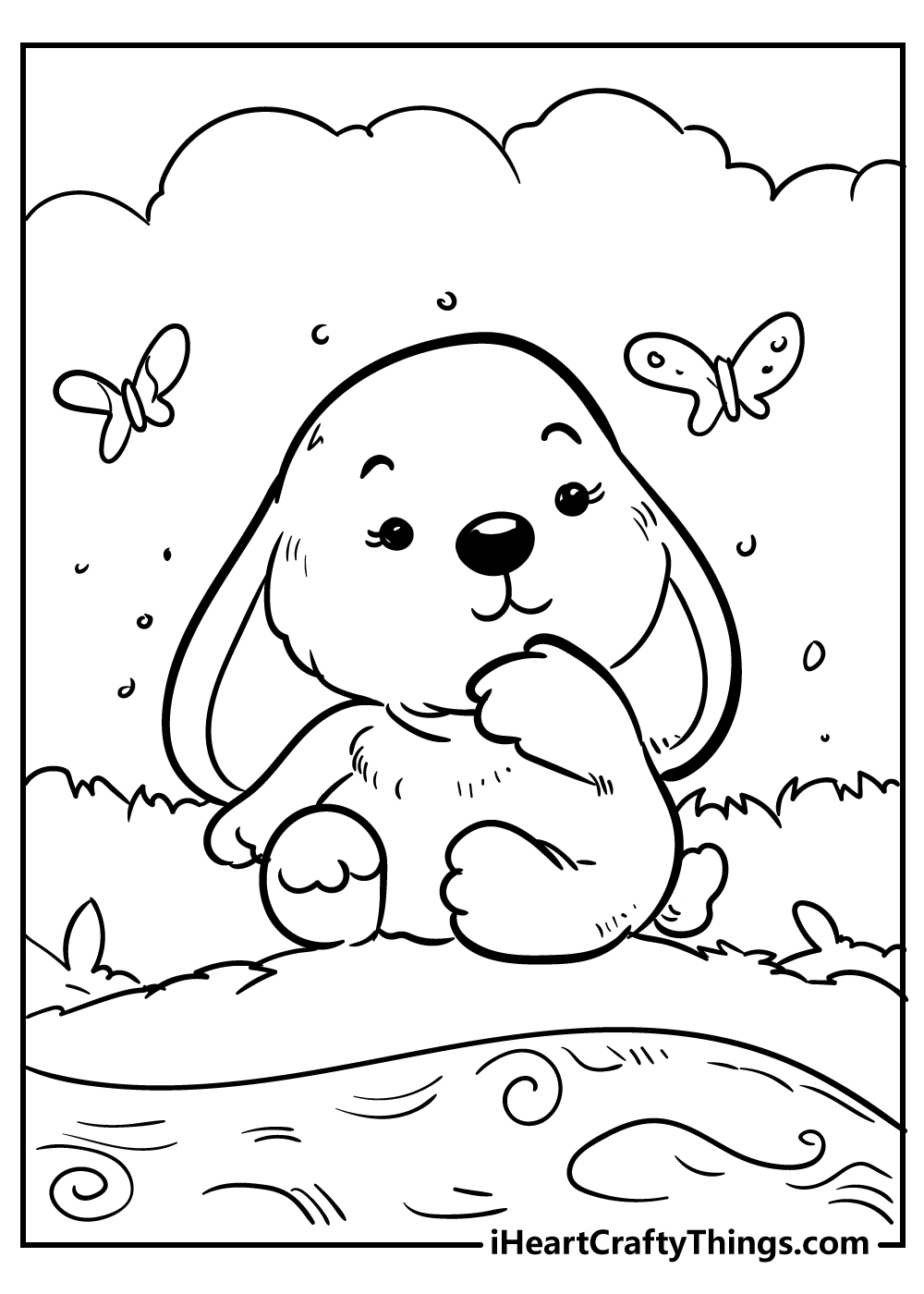
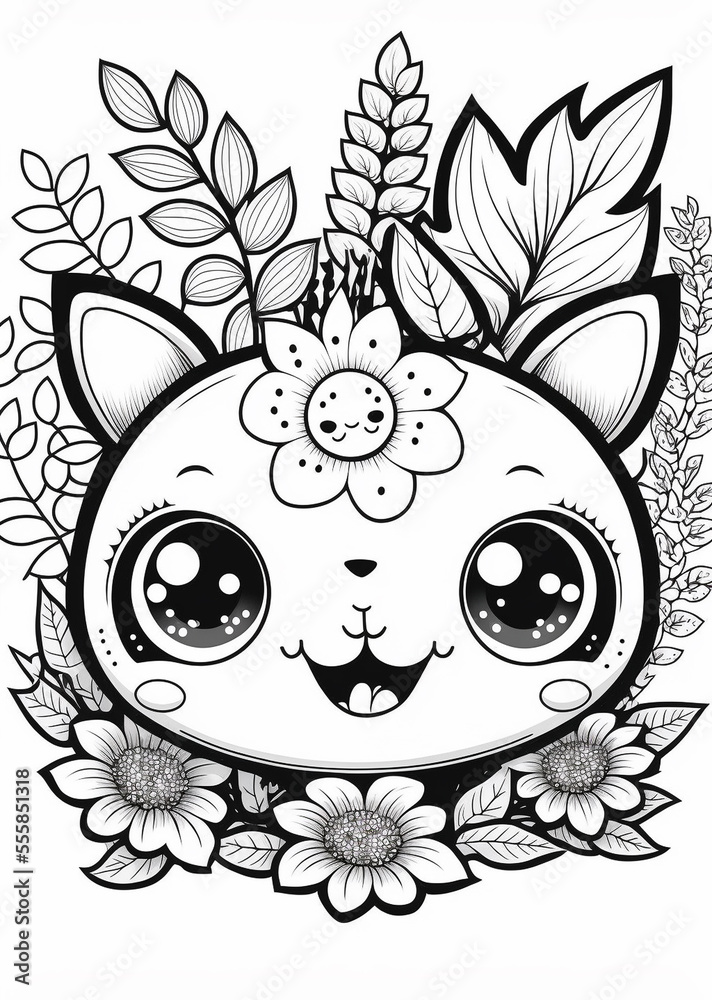
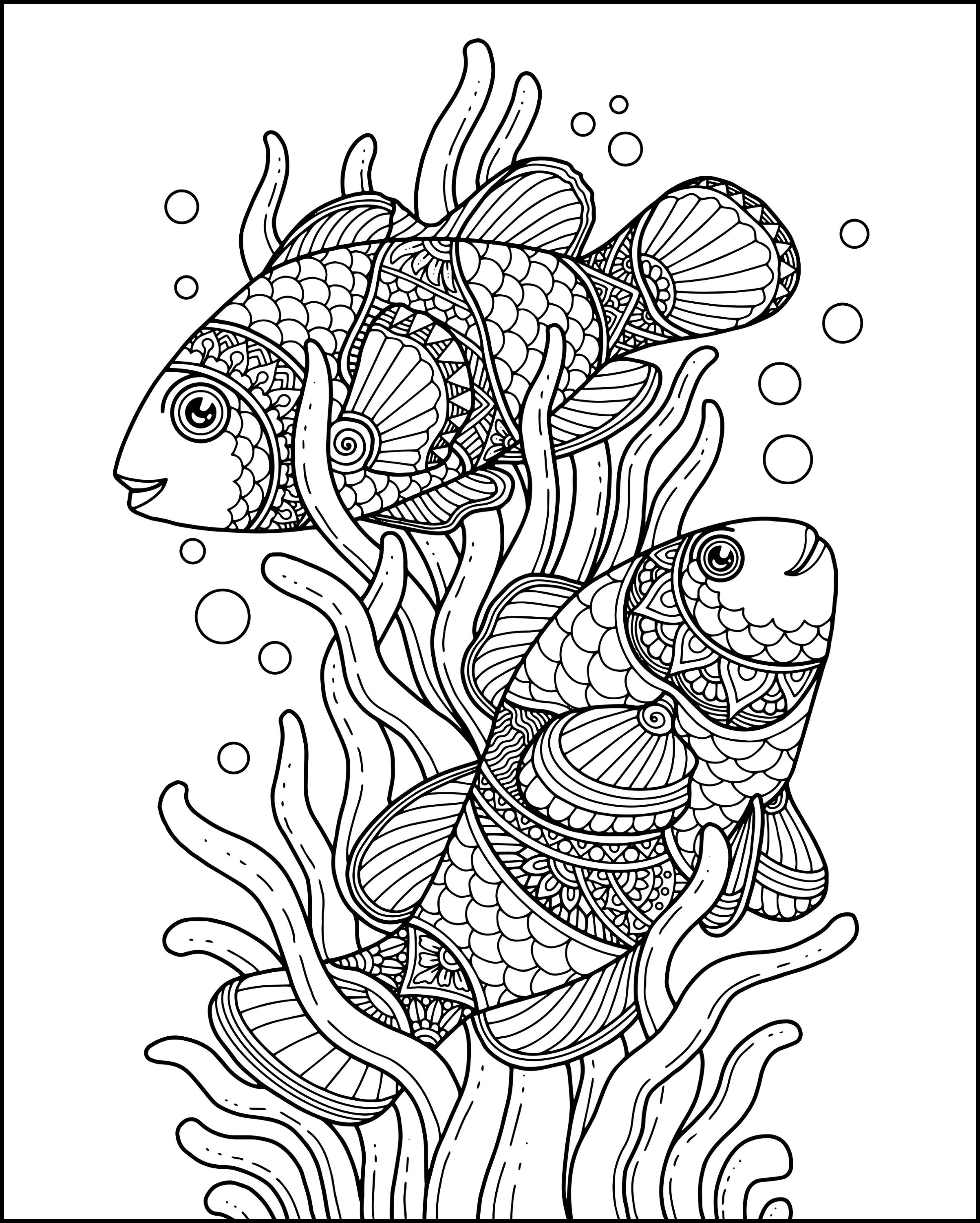
Coloring pages cute animals represent structured printable or digital assets utilized within modern classrooms to foster creativity while supporting safe device navigation. According to the Family Online Safety Institute (FOSI), proactive digital guidance paired with analog-digital blending significantly reduces online vulnerabilities for minors. Educators, school administrators, and parents frequently encounter searches for these artistic printables as a mechanism to balance screen time, minimize exposure to unchecked web trackers, and promote safe digital citizenship. Accessing curated repositories such as Coloring Pages ensures students interact exclusively with verified, secure educational resources rather than unmoderated third-party domains.
Digital Safety Snapshot:
- Core Focus: Safe acquisition and utilization of cute animal coloring assets for students.
- Target Scope: Pre-K through middle school classroom environments and home-school digital management.
- Key Recommendation: Download assets exclusively from vetted educational portals to eliminate malicious tracking cookies and malicious pop-ups.
Core Principles and Detailed Overview
Digital safety regarding cute animal coloring assets requires rigorous evaluation of download sources to prevent malware injection and protect student privacy. Unvetted websites offering free printables frequently embed aggressive behavioral tracking scripts, deceptive pop-up advertisements, and unsolicited data harvesting forms targeting young users. School administrators and teachers must enforce strict device hygiene standards, ensuring that browsers block third-party trackers before students access digital repositories. Integrating secure Worksheets and graphic assets into daily lesson plans reinforces safe online habits by teaching pupils to recognize secure domain structures and avoid predatory download portals.
Key Specifications and Breakdown
| Safety Pillar | Digital Risk Factor | Actionable Protective Habit |
|---|---|---|
| Source Authentication | Malicious redirects and drive-by malware downloads from unverified art websites. | Access printables solely through approved, institutional educational repositories. |
| Privacy Protection | Collection of student metadata via mandatory registration prompts on free art sites. | Prohibit accounts requiring personal identifiers; utilize static PDF downloads. |
| Classroom Screen Balance | Prolonged digital exposure leading to ocular strain and passive engagement fatigue. | Transition immediately from digital device selection to offline tactile coloring. |
Proactive digital citizenship frameworks significantly decrease unauthorized data collection and malware risks in educational environments — Cybersecurity and Infrastructure Security Agency (CISA)
Step-by-Step Practical Application and Guidelines
Implementing safe digital art sessions involves a structured workflow that prioritizes device security and cognitive balance. Educators begin by pre-screening all online repositories to guarantee ad-free, tracker-free environments before students log on. Next, teachers guide middle school mentors and younger learners to download static files directly rather than navigating interactive web games that request unnecessary permissions. Finally, printing the requested cute animal designs allows students to transition away from monitors entirely, directly supporting institutional initiatives focused on healthy classroom screen balance and focused tactile learning.
Common Challenges and How to Avoid Them
Accidental exposure to inappropriate advertisements remains the primary hazard when searching for printable animal graphics on open search engines. Unregulated third-party image search results often direct users to adult domains, phishing portals, or malicious executable downloads disguised as image files. To neutralize this threat, IT administrators must enforce strict domain allowlists and safe-search protocols across all school-issued devices. Furthermore, educating students on evaluating URL credibility empowers them to independently recognize secure networks and report suspicious pop-ups immediately to supervising adults.
💬 Frequently Asked Questions
Explore More Kids Safety and Digital Citizenship Guides on SafeWiredSchools
Maintaining robust security protocols across academic and home environments requires continuous access to vetted resources and professional educational frameworks. Discover comprehensive strategies for safeguarding student privacy, evaluating digital content, and reinforcing device hygiene by visiting the core Internet and Digital Safety hub on Safe Wired Schools.
Printable Coloring Page Previews