Introduction
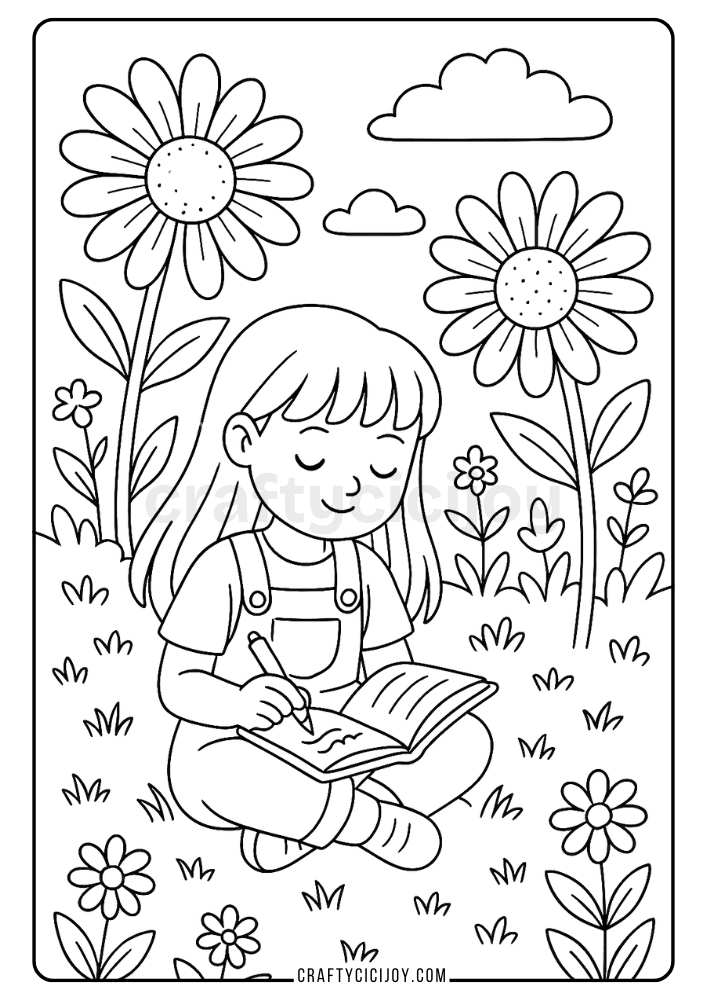
Coloring pages for boys serve as a valuable offline educational tool that mitigates excessive screen time and reduces digital vulnerabilities in educational settings. According to ConnectSafely, establishing clear boundaries around digital media use helps students develop healthier device habits while supporting cognitive development and fine motor skills. Integrating offline alternatives like printable activities into daily routines protects student focus and encourages balanced engagement. Educators and parents frequently utilize resources from Coloring Pages to provide structured, screen-free engagement that bypasses online behavioral tracking risks.
Digital Safety Snapshot:
- Core Focus: Safe, offline creative activities designed to reduce digital exposure and screen fatigue.
- Target Scope: Elementary and middle school classrooms, school device management, and home environments.
- Key Recommendation: Prioritize physical printouts over web-based applications to eliminate targeted advertising and data harvesting.
Core Principles and Detailed Overview
Managing student digital footprints requires intentionally substituting unregulated online media consumption with structured offline tasks such as coloring pages for boys. When students access free coloring websites through school-issued or personal devices, hidden ad trackers, malicious pop-ups, and data-harvesting scripts often compromise network security. Shifting toward physical activity sheets prevents accidental exposure to age-inappropriate content while simultaneously reinforcing classroom screen balance. Schools must evaluate all digital repositories to ensure third-party platforms do not track minor user activity or compromise compliance with the Children’s Online Privacy Protection Act (COPPA). Furthermore, incorporating these offline exercises into Worksheets ensures that creative periods remain entirely free from surveillance capitalism and unintended cyber risks.
Key Specifications and Breakdown
| Safety Pillar | Digital Risk Factor | Actionable Protective Habit |
|---|---|---|
| Data Privacy | Tracking cookies and targeted ads on free activity sites | Use vetted offline print repositories instead of direct browser browsing. |
| Device Hygiene | Malicious downloads disguised as interactive image files | Restrict school and home device downloads to approved institutional domains. |
| Screen Balance | Digital fatigue and diminished attention span | Schedule mandatory offline activity blocks during daily instructional hours. |
Limit non-essential connected device usage by establishing routine offline breaks to protect cognitive focus and reduce online vulnerability exposures — ConnectSafely Research
Step-by-Step Practical Application and Guidelines
Implementing safe creative sessions involves downloading authorized templates in bulk through secure administrative networks before distributing physical copies to students. Educators and parents should curate image libraries beforehand to ensure themes remain appropriate and free from commercial product placement or inappropriate hyper-links. By pre-screening these assets, schools prevent students from navigating unmonitored search engines where malicious redirection or cyberbullying vectors might lurk. Establishing clear device storage protocols also ensures that local machines remain free from unauthorized executable files often hidden within unsecured web portals. Maintaining this rigorous oversight aligns with best practices outlined in Internet and Digital Safety frameworks designed for modern K-12 institutions.
Common Challenges and How to Avoid Them
Over-reliance on interactive digital drawing applications often exposes children to unexpected advertisements, in-app purchases, and peer-to-peer chat risks disguised as creative communities. School administrators frequently encounter security alerts when students attempt to access unverified coloring portals that bypass institutional web filters. Preventing these breaches requires strict endpoint management and proactive education regarding the hidden dangers of free web services. Educators must audit all printed source materials to guarantee that no hidden QR codes or shortened URLs direct minor users toward unsecured external websites. Emphasizing physical media safeguards the classroom environment against modern digital threats while preserving the core developmental benefits of artistic expression.
💬 Frequently Asked Questions
Explore More Kids Safety and Digital Citizenship Guides on SafeWiredSchools
Empowering students with comprehensive digital literacy requires ongoing access to verified educational resources, administrative policies, and classroom protection strategies. Discover additional expert guidance, safety frameworks, and actionable toolkits by visiting the core repository at Safe Wired Schools and browsing specialized categories such as Online and Digital Safety.
Printable Coloring Page Previews