Introduction
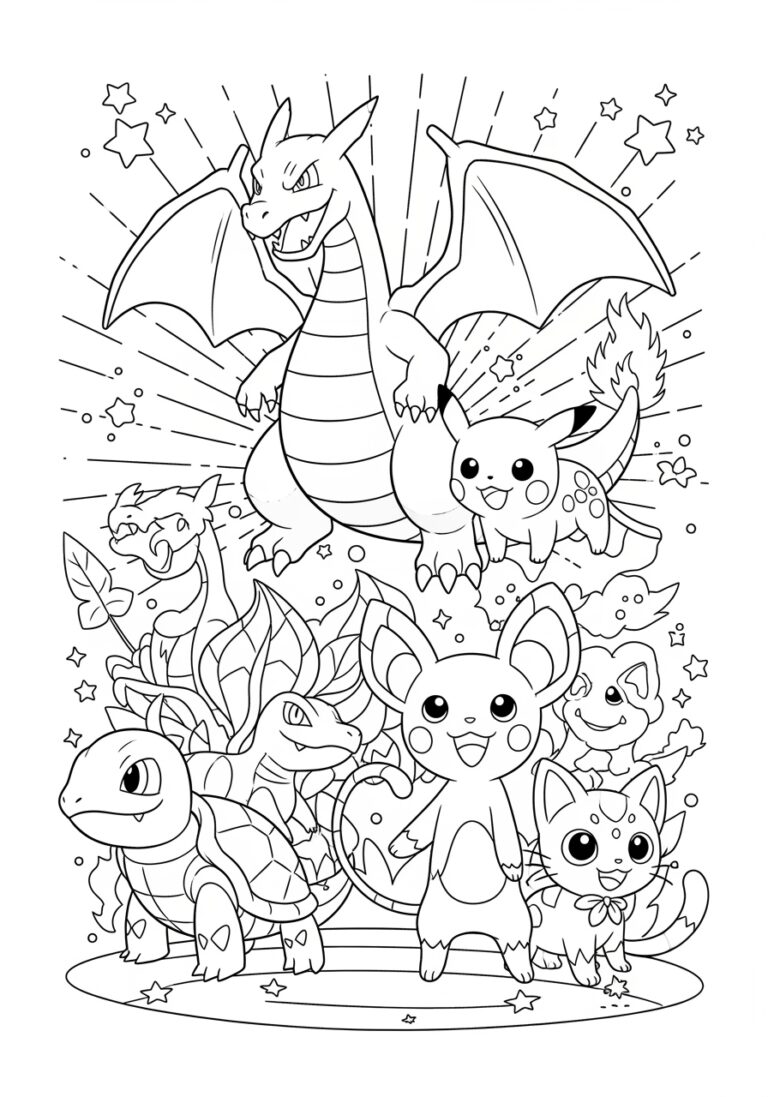
Coloring pages pokemon represent digital template files featuring cartoon creatures that students frequently search for and download from school or home devices. According to ConnectSafely, youth online safety relies on proactive digital literacy and guiding students toward secure, verified educational resources rather than unvetted third-party domains. Navigating student internet use requires balancing digital engagement with strict adherence to school internet safety policies, protecting student privacy, and preventing malware exposure. Educators and school administrators must establish clear boundaries regarding recreational searches, ensuring that student devices maintain optimal device hygiene and remain free from malicious trackers hidden on unregulated fan art portals.
Digital Safety Snapshot:
- Core Focus: Safe navigation and device hygiene when accessing printable creative assets like coloring pages pokemon.
- Target Scope: Educational environments, K-12 school networks, and student home-use devices.
- Key Recommendation: Enforce strict domain whitelisting and teach digital discernment to prevent phishing and malware risks.
Core Principles and Detailed Overview
Unregulated web searches for fan-made media often expose school-aged children to malicious pop-ups, phishing scams, and aggressive ad trackers that compromise classroom screen balance and device security. When students independently query terms related to popular media franchises, search engine results frequently direct traffic to sketchy intermediary sites posing as free resource portals. Implementing robust Internet and Digital Safety protocols prevents unauthorized access and shields school networks from compromise. Educators must utilize structured Worksheets distributed through official learning management systems instead of letting students browse the open internet for recreational printables, thereby minimizing exposure to cyberbullying vectors embedded in unmoderated comment sections and community forums.
Key Specifications and Breakdown
| Safety Pillar | Digital Risk Factor | Actionable Protective Habit |
|---|---|---|
| Network Security | Malicious redirects and drive-by malware downloads from unvetted printable sites. | Restrict downloads to pre-approved school-managed educational repositories. |
| Digital Footprint | Accidental sharing of personal data on community fan art upload forms. | Disable account creation and form submissions on external media hubs. |
| Classroom Focus | Distraction caused by excessive browsing during instructional computer lab time. | Provide curated collections via Coloring Pages portals directly. |
Educational institutions must proactively secure endpoints and educate students on evaluating digital source reliability to mitigate the pervasive risks of malvertising and unvetted content downloads. — Cybersecurity & Infrastructure Security Agency (CISA)
Step-by-Step Practical Application and Guidelines
Mitigating risks associated with recreational media searches requires a systematic approach to device management and student instruction. Administrators should configure web filters to block unauthorized image repositories, redirecting students to safe, district-approved repositories instead. Teachers ought to integrate lessons on evaluating website authenticity into regular curriculum plans, demonstrating how to identify secure HTTPS certificates and recognize deceptive advertising banners designed to look like download links. Furthermore, parents must monitor home device activity, establishing designated offline creative times to maintain healthy screen balance and reduce compulsive digital consumption among middle school learners.
Common Challenges and How to Avoid Them
Overzealous filtering blocking legitimate creative resources and students bypassing network controls via proxy tools represent the primary hurdles in managing media searches. Educators often struggle when strict district filters inadvertently block helpful artistic templates, forcing students to seek workaround solutions on personal devices. Resolving this friction involves maintaining a collaborative whitelist managed by IT specialists who review and approve safe community portals in advance. Additionally, reinforcing comprehensive digital citizenship education through dedicated resources like Online and Digital Safety modules helps students understand the rationale behind network restrictions, fostering a culture of mutual accountability and responsible technology use.
💬 Frequently Asked Questions
Explore More Kids Safety and Digital Citizenship Guides on SafeWiredSchools
Safeguarding young learners in modern digital environments requires continuous education, robust policy implementation, and collaborative oversight from educators, parents, and administrative leaders. Access additional expert-verified frameworks, classroom management tools, and comprehensive safety strategies by visiting Safe Wired Schools today to build a secure and resilient learning ecosystem for all students.
Printable Coloring Page Previews