Introduction
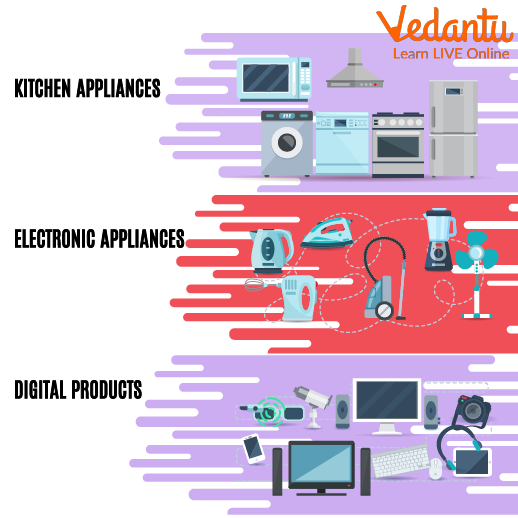
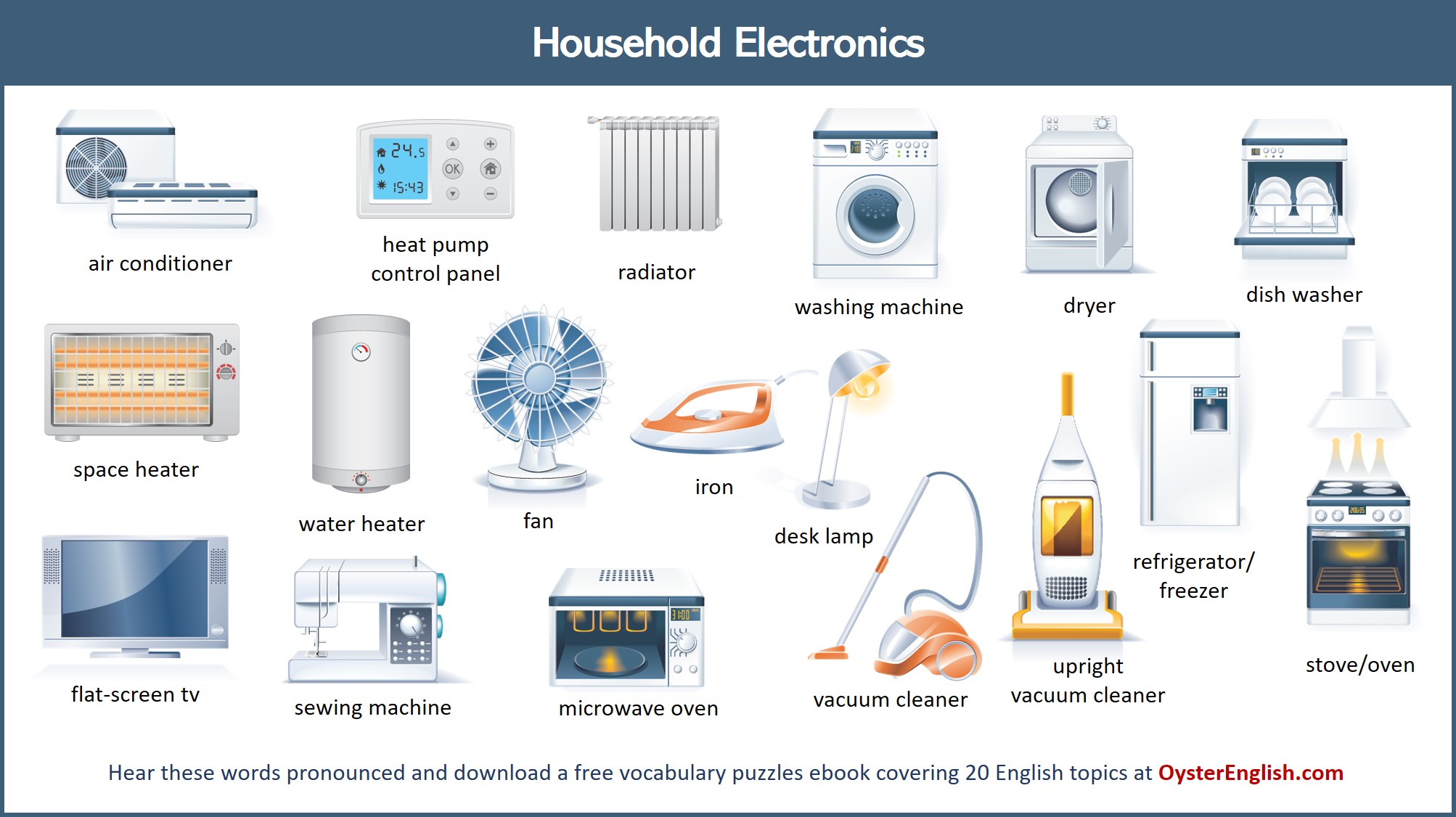
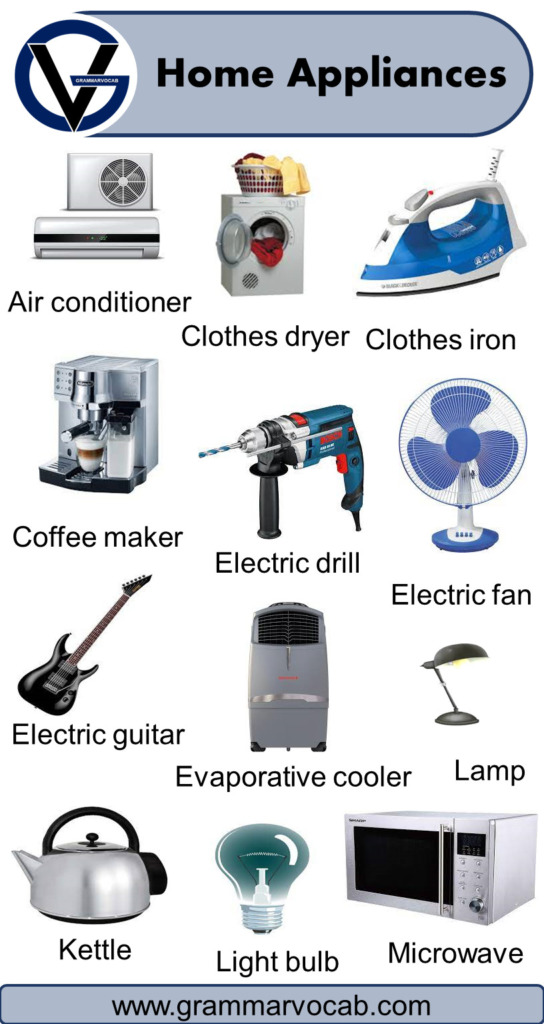
Electrical appliance artinya translates to the functional definition of powered devices that convert electrical energy into mechanical, thermal, or chemical output within residential, commercial, or automotive environments. According to the Society of Automotive Engineers (SAE J1128), proper circuit identification and wire sizing are mandatory to prevent catastrophic thermal overload when integrating electrical loads into 12V or 24V mobile architectures. Understanding this technical translation bridges the gap between raw schematic symbols and real-world installation, ensuring that technicians correctly interpret load ratings, resistance values, and voltage drops. Mastering the underlying mechanics of these loads enables precise layout design, whether troubleshooting a domestic heating element or evaluating auxiliary automotive accessories mapped in Home Electrical Wiring Diagrams.
Wiring Technical Snapshot:
- Core Focus: Translating and understanding electrical appliance artinya for systematic circuit analysis.
- Target Scope: Automotive 12V DC accessories and residential 120V/240V AC load installations.
- Key Recommendation: Always verify load draw with a digital multimeter before tying new devices into existing distribution harnesses.
Core Principles and Detailed Overview
Electrical appliance artinya refers to active load-bearing hardware that consumes electrical current to perform specific operations, requiring careful analysis of resistance, wattage, and current draw. Every appliance functions as a controlled resistance within an electrical loop, where current flow is governed directly by Ohm’s Law ($I = V/R$). In practical automotive applications, evaluating these loads prevents blown fuses, melted relay contacts, and parasitic battery drains. When diagnosing complex systems, technicians rely on structured schematics found in Appliance and Device Wiring to isolate feed wires, switch legs, and dedicated ground paths. Proper diagnostic execution demands treating every motorized, heating, or lighting device as a unique load profile that dictates wire gauge selection and overcurrent protection thresholds.
Key Specifications and Breakdown
| Circuit / Terminal | Standard Wire Color / Gauge | Operational Role & Safety Check |
|---|---|---|
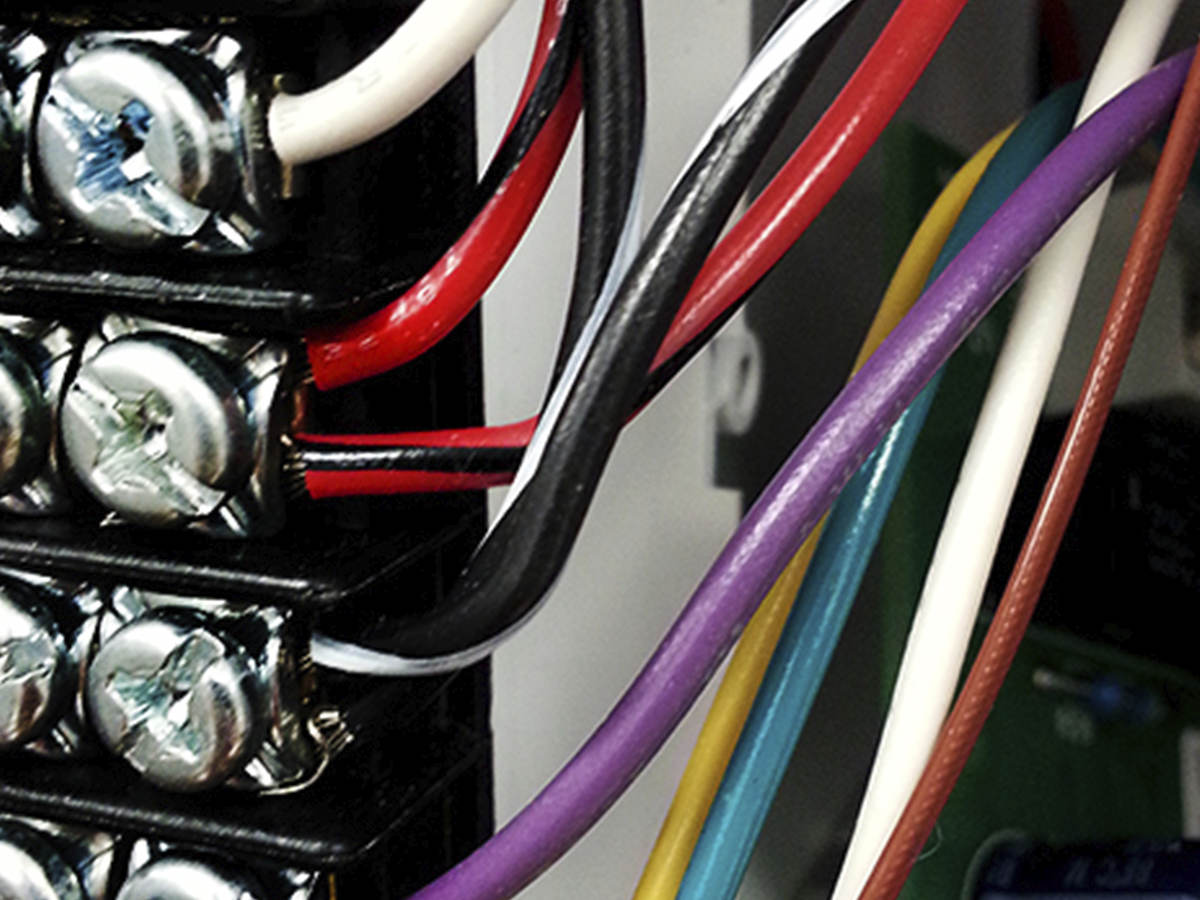
| 12V DC Power Feed | Red / 14 AWG | Delivers unswitched positive voltage from the battery; verify continuity and voltage drop under load. |
| Switched Appliance Control | Yellow or Blue / 16 AWG | Carries current from a relay or dashboard switch to activate the load; test for voltage spikes during actuation. |
| Chassis Ground Return | Black / 14 AWG | Completes the electrical loop back to the battery negative terminal; measure resistance to ensure under 0.1 ohms. |
Electrical appliances must be protected by appropriately rated overcurrent devices sized to match the continuous current draw and ampacity of the supply conductors. — National Fire Protection Association (NFPA 70 / NEC)
Step-by-Step Practical Application and Guidelines
Systematic troubleshooting of any electrical appliance begins by verifying supply voltage at the connector terminals using a calibrated digital multimeter set to DC or AC volts. Initial diagnostic steps require isolating the appliance from its circuit harness to inspect terminal pins for thermal degradation, corrosion, or mechanical looseness that introduces high resistance. Next, measure the internal resistance of the appliance load across its power and ground terminals to confirm the component is neither internally shorted nor open-circuited. Cross-reference these physical meter readings against the manufacturer schematic or guidelines categorized within Wiring Troubleshooting. Once the component health is validated, inspect the upstream wiring harness, fuses, and control relays to ensure delivery of clean, stable power without excessive voltage drop.
Common Challenges and How to Avoid Them
Neglecting voltage drop calculations and improper wire gauge selection remain the primary causes of premature appliance failure, intermittent operation, and thermal damage in electrical circuits. Installers frequently miscalculate total amperage draw when adding auxiliary devices, leading to overloaded distribution panels and nuisance fuse blowing. Mitigate these risks by strictly adhering to manufacturer ampacity tables, utilizing weather-pack sealed connectors in moisture-prone areas, and verifying proper chassis grounding integrity. When structural modifications or aftermarket integrations complicate original layouts, consult professional references available through Vehicle Wiring Diagrams to maintain factory-spec safety margins.
💬 Frequently Asked Questions
Explore More Wiring Diagrams and Schematics on ReadWires
Mastering the technical translation and practical implementation of electrical appliances requires access to accurate, standardized documentation across every automotive, marine, and residential domain. Professionals and hobbyists can expand their diagnostic capabilities by exploring comprehensive layouts and technical guides directly at ReadWires.com.
Visual Reference Gallery