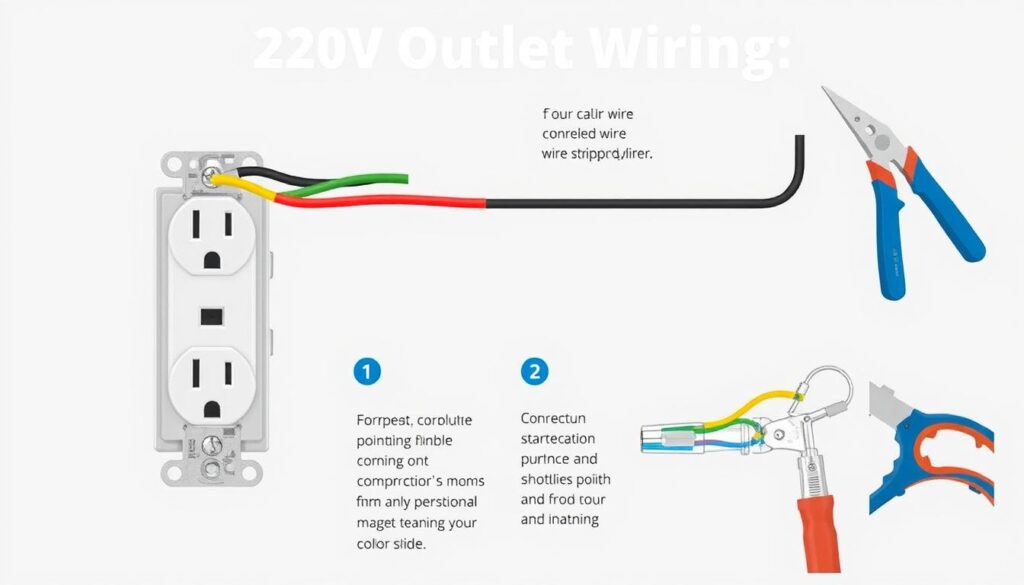
Decoding the 220v 3 Prong Outlet Wiring Diagram Architecture
Working with a 220v 3 prong outlet wiring diagram requires a solid understanding of high-voltage single-phase power distribution. Unlike standard 120-volt receptacles utilizing a hot, neutral, and ground, a traditional 220v-240v three-wire configuration consists of two hot conductors and one equipment grounding conductor, omitting the neutral entirely. This setup powers heavy-duty equipment such as older electric dryers, window air conditioners, and heavy shop tools requiring high continuous amperage. As outlined in the National Electrical Code (NFPA 70), ensuring proper circuit breaker sizing, conductor ampacity, and physical protection is non-negotiable for fire and personnel safety before energizing any branch circuit.
💡 Technical Key Takeaways:
- Core Focus: Diagnostic schematic and terminal connection layout for 220v 3 Prong Outlet Wiring Diagram.
- Target Scope: Field technicians, automotive DIYers, and residential/commercial electricians.
- Safety Rule: Always disconnect the primary power source/battery terminal and verify zero voltage with a multimeter before touching wires.
Terminal Roles, Wire Gauge, and Expected Electrical Readings
To safely install or troubleshoot a 220v three-prong receptacle, technicians must identify each terminal designation and verify its physical integrity. The circuit relies on a dual-hot supply where each leg carries 120 volts relative to ground, providing 240 volts across the two ungrounded terminals. The bare or green equipment ground ties directly to the metal housing and the service panel’s ground bus, offering a low-impedance fault current return path. When planning your layout, reference standard Home Electrical Wiring Diagrams to ensure compliance with residential feeder rules.
| Circuit Path | Typical Gauge / Protection | Multimeter Check |
|---|---|---|
| Hot Leg 1 (X Terminal) | 10 AWG Copper (30A Breaker) | 120V AC to Ground, 240V AC across Hot 2 |
| Hot Leg 2 (Y Terminal) | 10 AWG Copper (30A Breaker) | 120V AC to Ground, 240V AC across Hot 1 |
| Equipment Ground (Green/Bare) | 10 AWG Copper (Bonded to Box) | Less than 0.5 ohms continuity to main panel ground |
Step-by-Step Diagnostic Testing and Troubleshooting Walkthrough
Diagnosing a dead or intermittent 220v three-prong receptacle demands a structured approach using a digital multimeter rated for CAT III or CAT IV environments. Always verify meter lead integrity before probing live terminals. Begin with a thorough visual inspection at both the main service panel and the outlet box for signs of thermal discoloration, loose terminal screws, or compromised insulation jacket stripping. Next, perform a live voltage check across both hot slots to confirm a steady 240 volts under no-load conditions. If voltage sags heavily when the appliance kicks on, perform a voltage-drop test across the circuit breaker contacts and wire splices. High resistance at a breaker lug or wire nut creates localized heating and voltage drop, starving the connected load of operating power. Check out Wiring Troubleshooting for advanced fault-isolation procedures.
Common Wiring Faults, Code Violations, and Safety Warnings
The most hazardous pitfall involving older 220v installations is the improper repurposing of ground wires as current-carrying neutrals, a dangerous practice outlawed by modern safety codes. Because older three-prong configurations lack a dedicated neutral conductor, they are strictly limited to non-sensitive, 240-volt, non-120-volt-control loads like pure resistance heaters or heavy motors. Never attempt live terminal modifications without isolating the circuit at the main breaker panel and applying a physical lockout/tagout device. Furthermore, verify that cable clamps securely grip the outer sheathing rather than individual conductors to prevent mechanical chafing and subsequent short circuits against grounded metal device boxes. For additional layout references spanning multiple disciplines, consult General and Miscellaneous Wiring Diagrams.
Technician and DIY Frequently Asked Questions
Can I run a modern 4-prong appliance cord into an old 3-prong 220v outlet?
No. Modern four-prong cords require a dedicated neutral conductor for internal 120-volt electronics like digital timers and lights. Connecting a 4-wire appliance to a 3-wire receptacle without a proper conversion kit and structural frame bonding violates electrical codes and creates a serious shock hazard.
What wire size is required for a 30-amp 220v circuit?
Standard installations utilizing copper conductors require 10 AWG wire for a 30-amp branch circuit, protected by a double-pole 30-amp circuit breaker. Using undersized wire like 12 AWG creates excessive resistance, severe voltage drop, and potential fire risks.
Why am I reading 120 volts between one hot slot and ground, but zero volts across both hot slots?
This indicates a tripped or thrown double-pole breaker where one leg remains closed while the other has opened, or a completely broken ungrounded conductor upstream. You must locate the source of the open circuit in the service panel before attempting operation.
Explore Additional Schematics and Diagnostic Guides
Mastering high-voltage AC circuits and appliance configurations builds the competency needed for complex electrical repairs across residential and commercial systems. Visit ReadWires.com to explore our complete collection of professional schematics and diagnostic write-ups.
Wiring Diagram Schematics & Details