Introduction
The 2017 gmc sierra trailer plug wiring system integrates a 7-way blade connector and a 4-way flat connector into the rear bumper to supply lighting, electric brake control, and auxiliary 12-volt power to towed loads. This factory-installed interface links the truck’s body control module, trailer brake controller, and power distribution boxes directly to towed units. Understanding this architecture is essential for verifying circuit continuity, diagnosing lighting failures, and ensuring heavy-duty towing operations comply with established automotive electrical safety standards.
💡 Technical Key Takeaways:
- Core Focus: Diagnostic schematic and terminal connection layout for 2017 Gmc Sierra Trailer Plug Wiring.
- Target Scope: Field technicians, automotive DIYers, and residential/commercial electricians.
- Safety Rule: Always disconnect the primary power source/battery terminal and verify zero voltage with a multimeter before touching wires.
Core Concepts and Wiring Fundamentals
Modern light-duty truck towing circuits rely on a combination of high-current fuses, electro-mechanical relays, and a dedicated Trailer Brake Control (TBC) module. Power originates at the vehicle battery and passes through dedicated under-hood fuse blocks before reaching the rear bumper harness. A relay typically switches the auxiliary 12-volt charging feed to prevent battery drain while the ignition is off.
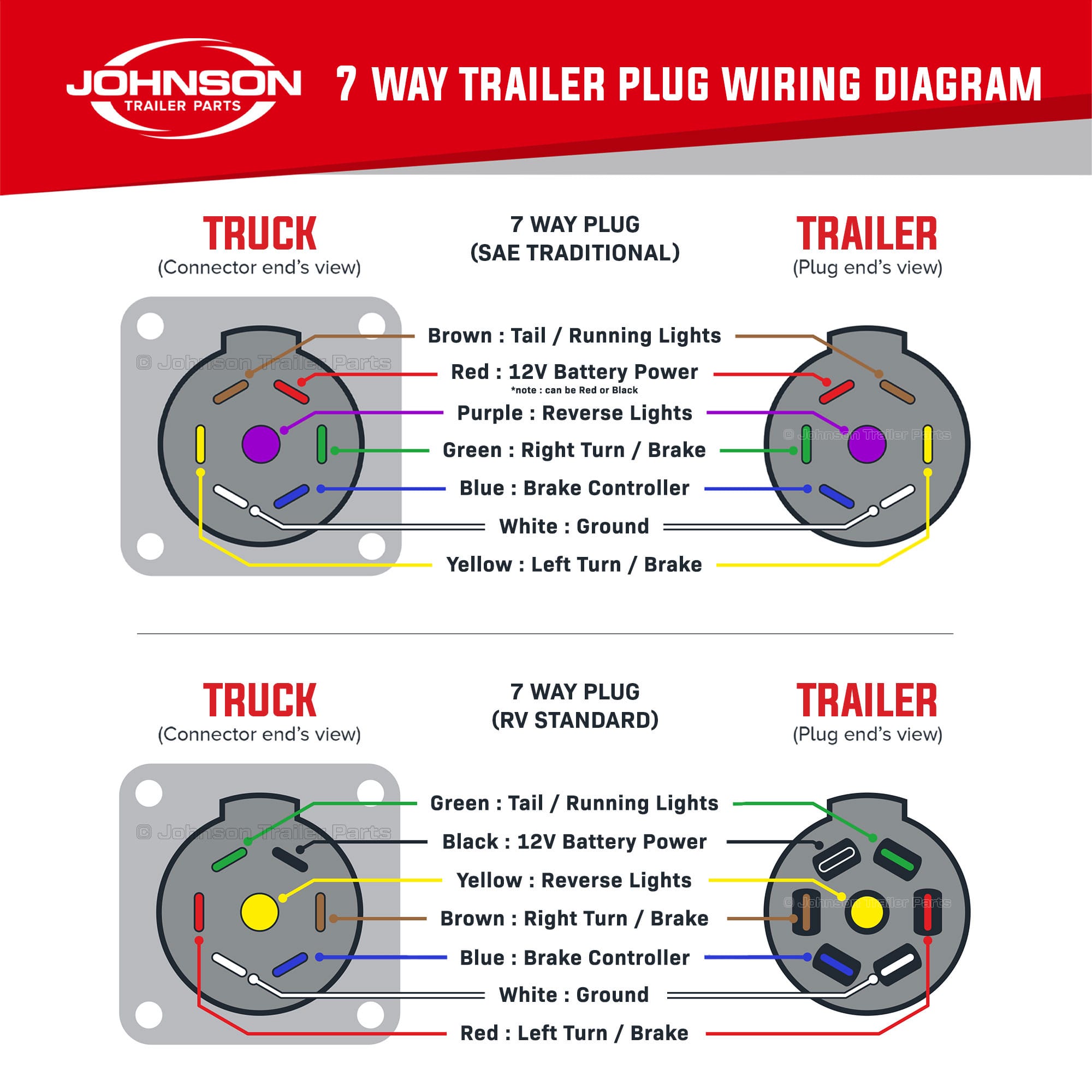
The standard 7-way blade socket contains circuits for running lights, left turn/stop, right turn/stop, reverse lamps, electric trailer brakes, 12-volt auxiliary power, and a heavy-gauge chassis ground. Standardized color codes govern these circuits, though regional aftermarket adapters sometimes vary. Technicians often consult Vehicle Wiring Diagrams to trace factory wire gauges and pin designations accurately.
[Finding] — According to the Society of Automotive Engineers (SAE J2863), heavy-duty vehicle trailer interface connectors must maintain secure mechanical locking and environmental sealing to prevent moisture intrusion and subsequent high-resistance faults.
Diagram Explanation and Key Components
Reading a factory schematic for the 2017 gmc sierra trailer plug wiring requires identifying specific alphanumeric pin designations and wire color abbreviations set by the manufacturer. The central component is the multi-pin rear bumper connector, which mates directly with the truck-side chassis harness via a weather-pack connector. Symbols on the schematic denote fuses, inline splices, and ground points.
Each circuit serves a distinct function: the dark green wire carries right turn and stop signals, the yellow wire manages left turn and stop signals, and the brown wire feeds the parking and clearance lamps. The blue wire carries modulated voltage from the integrated trailer brake controller, while the orange or red wire supplies constant 12-volt battery power. The black or white wire provides the crucial high-current ground return path. Detailed layout studies can be further explored through Wiring Diagram Basics to interpret symbol standards.
Common Problems and Troubleshooting Methods
Systematic fault-finding begins with verifying fuse integrity and testing chassis ground continuity at the bumper frame attachment point. Corrosion inside the 7-way spring-loaded door assembly represents the single most frequent failure point, often causing intermittent lighting or complete loss of trailer brake signals. Technicians should approach diagnostics using a structured, step-by-step methodology.
Begin by disconnecting the trailer and checking the truck-side socket output using a digital multimeter or a dedicated 12-volt circuit tester under load. If voltage drops when lamps activate, a high-resistance corrosion point or a compromised ground wire is usually present. Inspect the under-hood fuses for the trailer lighting and brake controller. For further diagnostic guidance, consult Wiring Troubleshooting procedures.
Practical Tips and Safety Considerations
Always disconnect the negative battery cable before performing invasive wiring repairs, piercing insulation, or replacing high-amperage relays under the hood. Avoid common mistakes such as using undersized wire extensions or relying on friction-fit tape connections exposed to road salt and moisture. Weatherproof heat-shrink butt connectors and dielectric grease applied to the connector blades dramatically extend service life.
Wire gauge selection must match the current draw of the intended application, particularly for auxiliary battery charging circuits and electric brakes. Overloaded circuits generate excessive heat and risk insulation failure. Where complex aftermarket trailer integration modules or custom CAN-bus (Controller Area Network) interfaces are involved, a qualified automotive technician should verify the installation to prevent damage to sensitive body control modules.
Conclusion
Mastering the 2017 gmc sierra trailer plug wiring configuration ensures reliable operation of lights, brakes, and auxiliary accessories during towing tasks. Methodical circuit testing, proper maintenance of mechanical connectors, and adherence to safe electrical practices prevent roadside failures. Reviewing comprehensive references like Relay and Component Wiring Diagrams provides further insight into maintaining modern vehicle electrical systems.
Quick Wiring Specifications & Terminal Guide
| Component / Circuit | Standard Wire Gauge | Recommended Protection |
|---|---|---|
| Control & Trigger Signals | 18 – 20 AWG | 5A – 7.5A Inline Fuse |
| Standard Auxiliary Load | 14 – 16 AWG | 15A – 20A Circuit Breaker |
| Main Power Feed / Supply | 10 – 12 AWG | 30A – 40A Heavy-Duty Relay |
Images References