Demystifying the 2 Prong Plug Wiring Diagram: Architecture and Circuit Flow
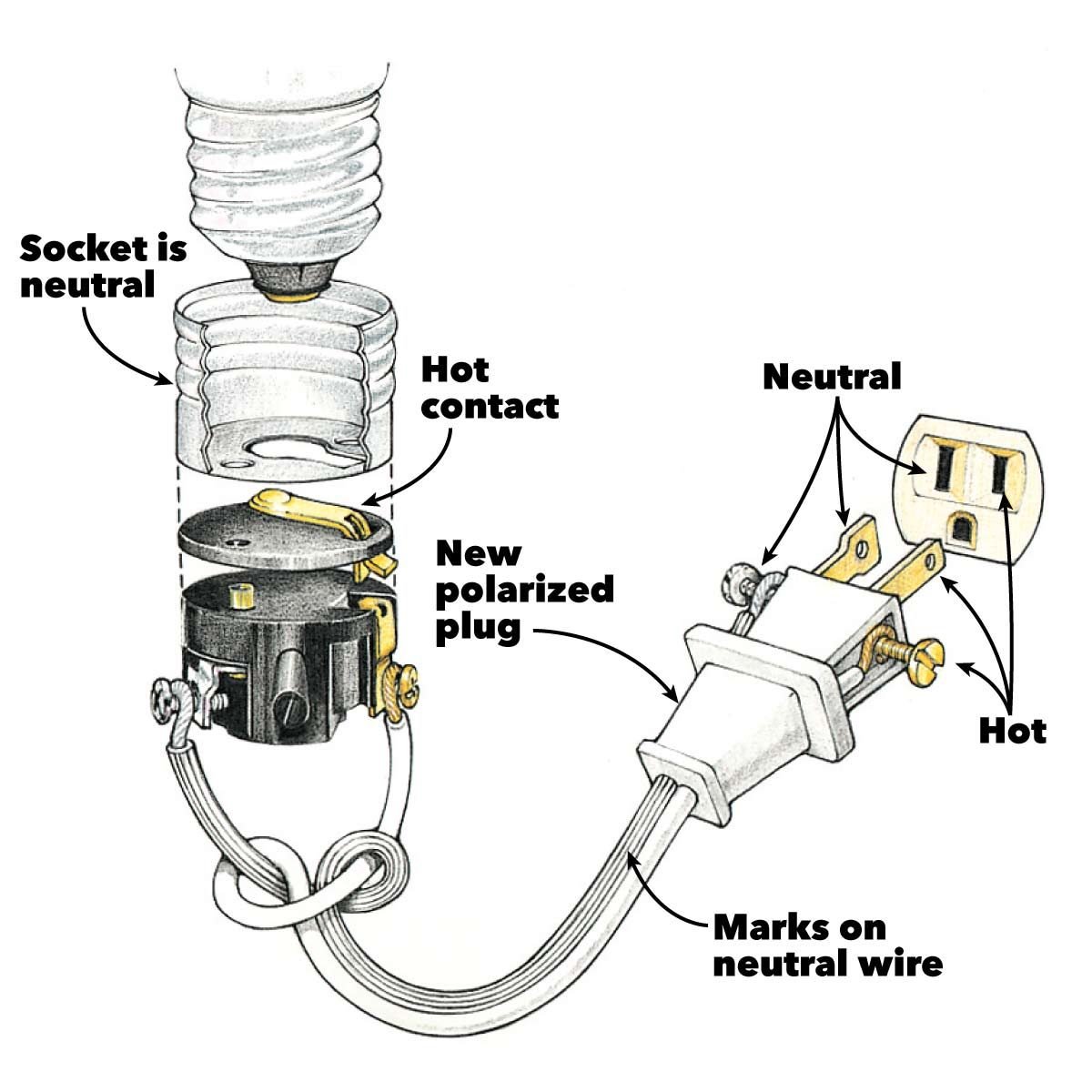
Whether you are dealing with low-voltage DC accessories, small household appliances, or automotive auxiliary equipment, understanding a 2 prong plug wiring diagram is essential for safe, reliable electrical maintenance. Unlike complex multi-pin harnesses, a two-conductor circuit isolates power and return paths into a single polarized or non-polarized interface. In both automotive and low-voltage applications, current flows from the power source, passes through a circuit protection device such as a fuse or fusible link, travels via a switched control line to the load, and completes its journey back to the source through a dedicated ground path or neutral conductor. Adhering to standards set by the National Electrical Code (NEC NFPA 70) for residential setups and SAE J1128 specifications for automotive cross-linked polyethylene wire guarantees that the selected wire gauge handles maximum ampacity without thermal overload.
💡 Technical Key Takeaways:
- Core Focus: Diagnostic schematic and terminal connection layout for 2 Prong Plug Wiring Diagram.
- Target Scope: Field technicians, automotive DIYers, and residential/commercial electricians.
- Safety Rule: Always disconnect the primary power source/battery terminal and verify zero voltage with a multimeter before touching wires.
Anatomy of a Two-Conductor Circuit: Gauges, Terminals, and Expected Readings
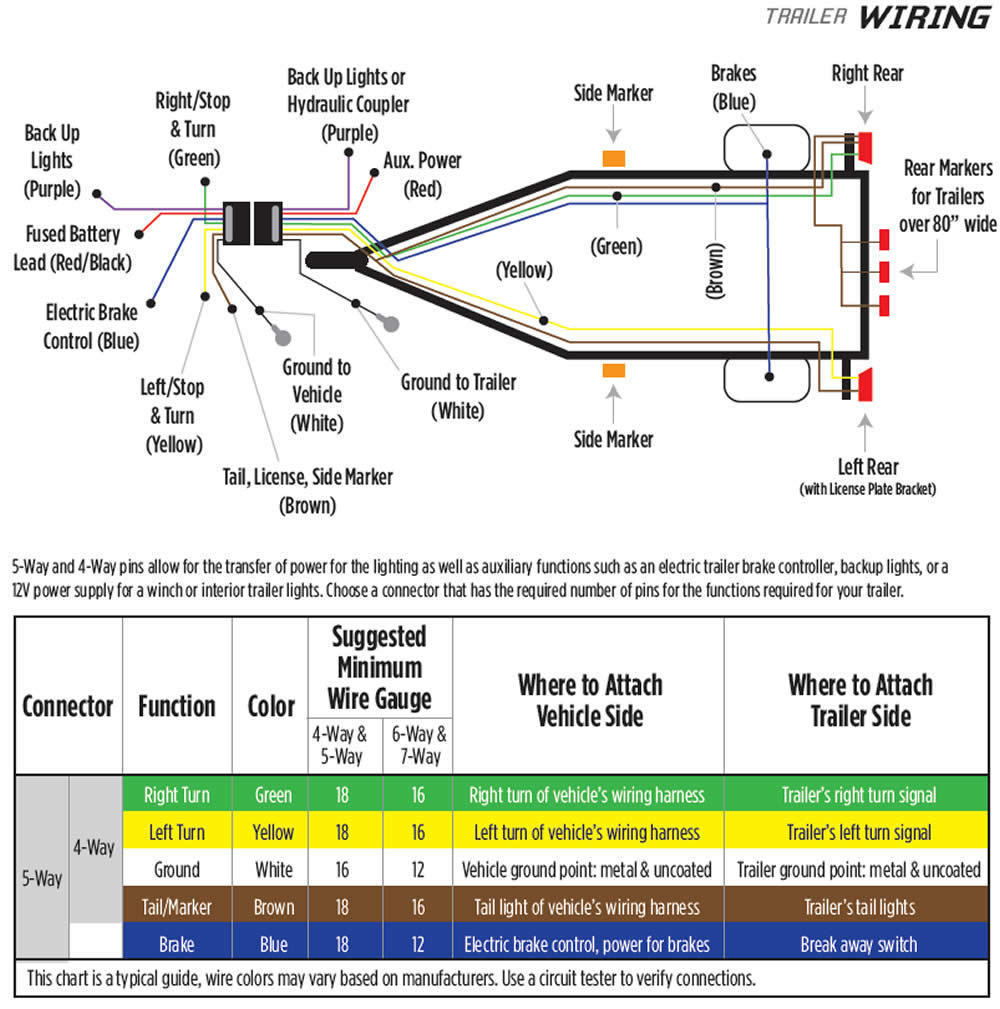
Parsing any 2 prong plug wiring diagram requires analyzing the functional role of both conductors. One conductor functions as the ungrounded hot or positive supply feed, while the other serves as the neutral return or chassis ground path. Modern technicians rely on a digital multimeter to verify pinout configurations before applying system voltage. Depending on whether you are working within the realm of Home Electrical Wiring Diagrams or troubleshooting Vehicle Wiring Diagrams, wire sizing and color codes change significantly, making reference tables invaluable for field diagnosis.
| Circuit Path | Typical Gauge / Protection | Multimeter Check |
|---|---|---|
| Hot / Positive Supply Feed | 12 AWG to 16 AWG (Fused at source) | 12V to 120V AC/DC against chassis ground |
| Neutral / Ground Return | 12 AWG to 16 AWG (Chassis or neutral bus) | Less than 0.2 ohms continuity to ground |
| Plug Blade Terminal (Male) | Solid or stranded brass pin | Zero drop under load test conditions |
| Receptacle Slot Terminal (Female) | Spring-tensioned copper alloy contact | Firm mechanical retention and clean surface |
Step-by-Step Diagnostic Workflow for Two-Prong Electrical Connections
Systematic troubleshooting of any 2 prong plug wiring diagram begins long before you touch meter probes to terminals. Start with a thorough visual inspection of the molded plug housing, looking for thermal discoloration, melted plastic, or pulverized strain reliefs caused by high-resistance loose connections. Always isolate the circuit using safe lockout and tagout procedures or by disconnecting the negative battery terminal before inspecting internal wiring crimps. Next, perform a voltage drop test across the plug contacts while the load is actively operating; a reading greater than 0.3 volts indicates high resistance at the crimp or pin interface. If continuity checks pass on the bench but the load fails to operate in the field, explore further using principles outlined in Wiring Troubleshooting to isolate hidden breaks.
Identifying Common Failure Points and Mitigating Electrical Hazards
Two-conductor plugs and receptacles frequently fail due to mechanical vibration, moisture ingress, and thermal cycling. In automotive and marine environments, capillary action can pull moisture past worn insulation, causing green-crust corrosion that increases circuit resistance and creates a fire hazard. Technicians must also account for polarity reversal, especially when dealing with unpolarized flat plugs where plugging a device in backwards could energize exposed chassis components. Always verify factory service manuals or manufacturer documentation, as specific pin assignments and color-coding conventions vary widely between stationary equipment and mobile machinery. Never bypass upstream fuse protection to force a malfunctioning circuit to stay energized.
Technician and DIY Frequently Asked Questions
What is the difference between a polarized and non-polarized 2 prong plug wiring diagram?
A polarized two-prong plug features one blade wider than the other, or a square-versus-rounded profile, ensuring the hot and neutral conductors always match the correct internal device circuitry. A non-polarized plug has identical blades and can be inserted in either orientation, making it suitable only for double-insulated or AC-isolated loads where polarity does not affect operational safety.
How do I test a 2 prong plug circuit if my multimeter reads 12 volts with no load, but drops to zero under load?
This symptom indicates a high-resistance fault, such as a corroded terminal crimp, a partially severed wire strand, or a failing fuse contact. The voltmeter registers full voltage when no current flows because minimal voltage drops across the resistance, but once the load draws current, Ohms law dictates a massive voltage drop across that localized point of high resistance.
Can I replace a molded 2 prong plug with a heavy-duty screw-terminal replacement end?
Yes, provided the replacement plug matches the current and voltage rating of the application and the wire ends are properly stripped and secured under the terminal screws without stray strands. For high-vibration environments, always tin stranded wires with solder or use insulated ring and pin terminals to prevent loose connections over time.
Explore Additional Electrical Schematics and Diagnostic Guides
Mastering basic terminal layouts opens the door to more advanced electrical troubleshooting across residential, commercial, and automotive domains. Continue building your technical library by reviewing comprehensive schematics and expert teardowns available directly on ReadWires.com.
Wiring Diagram Schematics & Details