Introduction
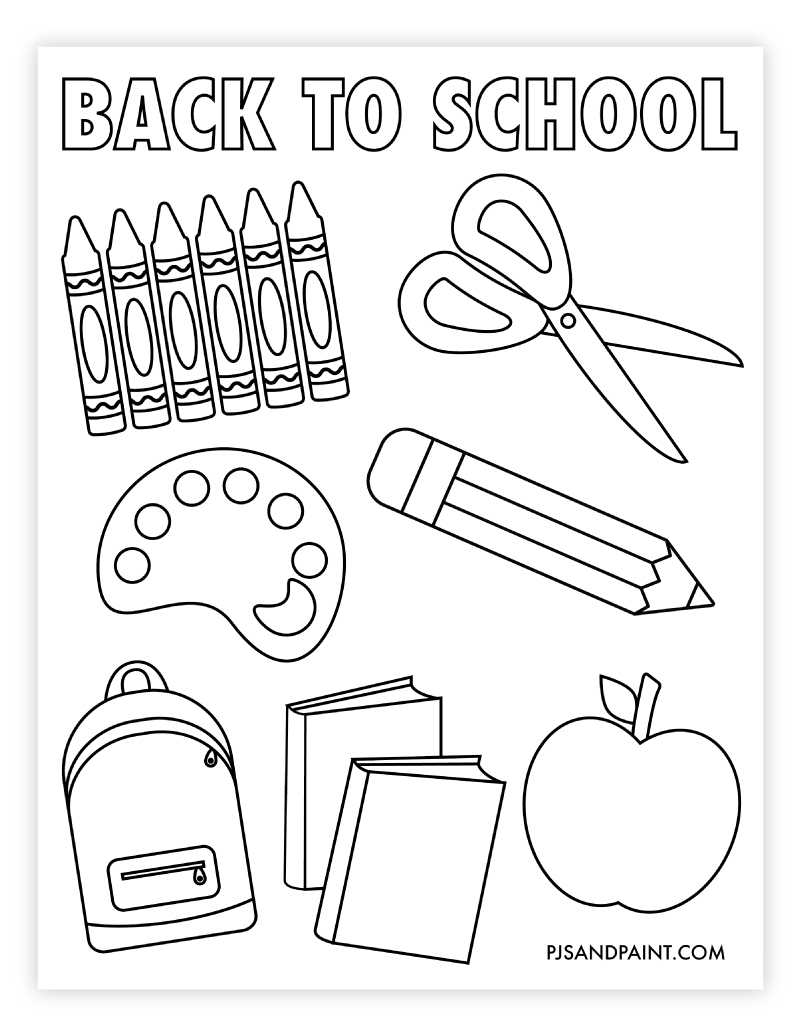
Coloring pages back to school printable resources serve as essential visual learning aids utilized by technical instructors and educational institutions to simplify complex 12V/24V automotive circuits and residential electrical schematics for students. According to SAE International, standardized color-coding and schematic visual mapping significantly reduce installation errors and accelerate diagnostic troubleshooting proficiency among new technicians. Integrating educational schematics into technical training programs enhances spatial comprehension of wiring diagrams, relay logic, and ground distribution networks before physical laboratory testing begins. Learners rely on these graphical teaching tools to master Wiring Diagram Basics before advancing to complex multi-meter diagnostics and live circuit analysis.
Wiring Technical Snapshot:
- Core Focus: Utilizing coloring pages back to school printable resources for educational circuit mapping.
- Target Scope: Technical training environments, automotive vocational schools, and home electrical study.
- Key Recommendation: Always cross-reference printable diagrams with actual manufacturer wiring schematics and physical wire gauge markings.
Core Principles and Detailed Overview
Coloring pages back to school printable templates establish a foundational understanding of electrical pathways by encouraging active trace-line identification across complex networks. In both automotive applications adhering to SAE J1128 specifications and residential structures regulated by the National Electrical Code (NEC), visual color differentiation prevents cross-circuit confusion and terminal misidentification. Trainees leverage these printable diagrams to memorize circuit components such as fuses, relays, switches, and resistive loads. Establishing strong visual recognition of circuit anatomy directly supports advanced studies found within Home Electrical Wiring Diagrams and specialized commercial documentation.
Key Specifications and Breakdown
| Circuit / Terminal | Standard Wire Color / Gauge | Operational Role & Safety Check |
|---|---|---|
| Battery Power Supply (12V+) | Red / 10 AWG to 14 AWG | Carries unswitched positive voltage directly from the battery; verify with a digital multimeter before unbolting terminals. |
| Chassis Ground Return | Black or Bare Copper / 12 AWG | Completes the electrical circuit back to the power source; test for low resistance (< 0.2 ohms) to ensure proper continuity. |
| Switched Ignition Power | Yellow or Orange / 16 AWG to 18 AWG | Energizes accessory systems only when the ignition switch is active; check for voltage drop during cranking. |
Electrical circuits require absolute adherence to standardized wire coloring and systematic schematic verification to prevent catastrophic short circuits and equipment damage — National Fire Protection Association (NFPA)
Step-by-Step Practical Application and Guidelines
Coloring pages back to school printable exercises should be approached methodically by isolating individual circuit loops before attempting multi-system mapping. Begin by identifying the primary power source and tracing the positive feeder line using high-visibility markers to represent active 12V or 120V currents. Next, trace the control devices, such as single-pole switches, relays, or electronic control modules, noting the terminal pin numbers carefully. Finally, follow the return path to the designated ground point, ensuring that every load has a complete, unbroken circuit loop. This systematic methodology translates directly into professional diagnostic workflows detailed in Wiring Troubleshooting procedures.
Common Challenges and How to Avoid Them
Coloring pages back to school printable worksheets frequently fail to prepare technicians if the exercises ignore real-world wire gauge variations and terminal oxidation factors. Students often assume all lines on a schematic represent identical current-carrying capacities, neglecting the critical differences between heavy-gauge alternator leads and delicate sensor signal wires. To avoid diagnostic errors in the field, trainees must combine static schematic coloring with hands-on multi-meter voltage drop testing and continuity checks. Maintaining rigorous attention to physical terminal designations ensures that educational exercises bridge the gap into practical automotive and residential electrical mastery.
💬 Frequently Asked Questions
Explore More Wiring Diagrams and Schematics on ReadWires
Mastering electrical systems requires continuous study of accurate schematics, clear diagnostic guides, and comprehensive circuit breakdowns. Expand technical proficiency by exploring the extensive library of schematics and troubleshooting articles housed across ReadWires.com, designed to support both beginning students and seasoned electrical professionals.
Printable Coloring Page Previews