Introduction
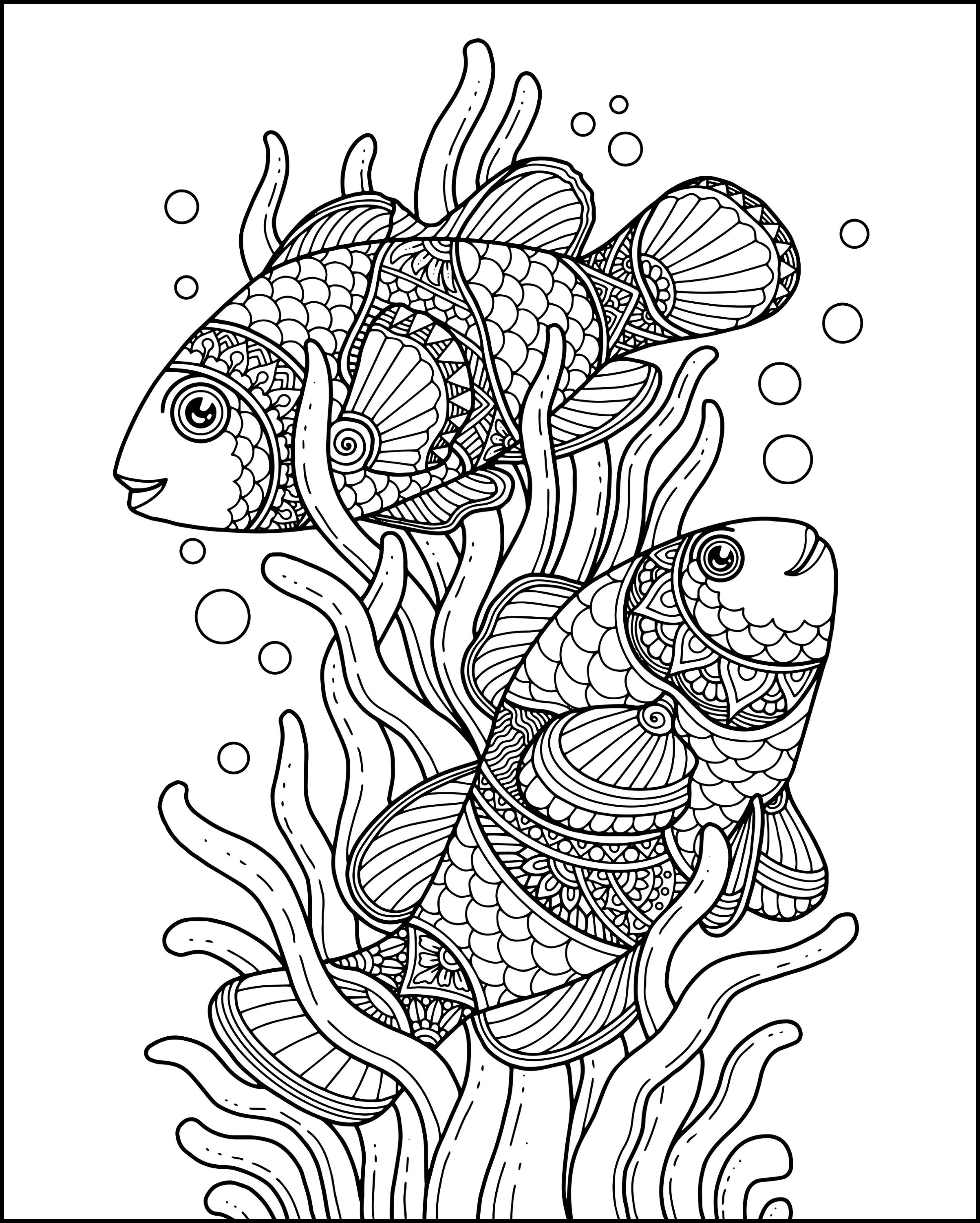
Coloring pages adult assets function as digital or physical mindfulness tools that require structured access management to prevent exposure to malicious web tracking and inappropriate third-party advertisements. According to the Family Online Safety Institute (FOSI), proactive digital guidance and device monitoring significantly reduce student exposure to online threats while fostering healthy screen-time boundaries. Modern educational environments utilize these complex artistic sheets to encourage offline concentration, balance intense device usage, and support emotional regulation among middle school students. Navigating digital art repositories safely demands a rigorous understanding of student data privacy, domain reputation, and effective classroom screen hygiene protocols to maintain secure digital footprints.
Digital Safety Snapshot:
- Core Focus: Safe sourcing and utilization of coloring pages adult materials in educational and home settings.
- Target Scope: Protecting middle school students from hidden web trackers while engaging in digital art activities.
- Key Recommendation: Restrict student access to pre-vetted, ad-free educational repositories to preserve online safety and device hygiene.
Core Principles and Detailed Overview
Coloring pages adult content accessed via unvetted search engines often exposes school networks to adware, malicious redirects, and privacy intrusions that compromise student digital safety. Educators and parents must implement strict domain filters and direct students exclusively to verified Coloring Pages portals that prohibit data harvesting and targeted behavioral advertising. Maintaining a healthy balance between digital tasks and offline creative outlets reduces cognitive fatigue, prevents cyberbullying incidents that frequently occur during unstructured online browsing, and strengthens overall device hygiene. Integrating structured artistic resources into daily routines supports comprehensive Internet and Digital Safety curriculums by teaching students to critically evaluate website credibility before downloading files.
Key Specifications and Breakdown
| Safety Pillar | Digital Risk Factor | Actionable Protective Habit |
|---|---|---|
| Network Security | Adware and malicious redirects from unverified art portals | Enforce strict DNS filtering and use pre-vetted educational platforms. |
| Data Privacy | Third-party behavioral tracking on free printable sites | Disable cookies and prevent account creation requirements for minors. |
| Screen Balance | Excessive passive device consumption during leisure time | Transition digital artistic templates into physical offline printables. |
Proactive network monitoring and restricted repository access serve as primary defenses against unauthorized data collection during student web browsing activities. — Cybersecurity & Infrastructure Security Agency (CISA)
Step-by-Step Practical Application and Guidelines
Securing student access to digital and printable artistic resources requires a systematic approach to web navigation and device configuration. School administrators and teachers should first curate a centralized list of trusted domains, eliminating open web searches that expose users to inappropriate pop-ups. Next, educators ought to download necessary files centrally, storing them on secure school servers or distributing them via approved Worksheets management systems. Parents and teachers must also establish clear boundaries regarding device usage, ensuring that tablets and laptops are disconnected from the internet when students engage in offline coloring tasks. Finally, regular audits of browser history help identify unauthorized visits to unverified external domains, reinforcing accountable digital citizenship.
Common Challenges and How to Avoid Them
Unregulated access to external coloring websites frequently results in malware infections, accidental disclosure of personal information, and exposure to harmful web content. To mitigate these risks, schools must configure institutional firewalls to block pop-up windows and restrict executable file downloads on student-issued hardware. Educators should also address the challenge of digital fatigue by intentionally scheduling screen-free periods, pairing digital design lessons with tangible offline mediums. Emphasizing comprehensive Online and Digital Safety protocols ensures that students recognize the hidden security implications of seemingly harmless internet searches.
💬 Frequently Asked Questions
Explore More Kids Safety and Digital Citizenship Guides on SafeWiredSchools
Empowering students, educators, and families with robust digital citizenship strategies remains essential for cultivating secure learning environments across all modern institutions. Visitors can discover comprehensive safety frameworks, expert recommendations, and curriculum guides by exploring the extensive resource library available at Safe Wired Schools.
Printable Coloring Page Previews