Decoding the 2010 GMC Sierra Trailer Wiring Architecture
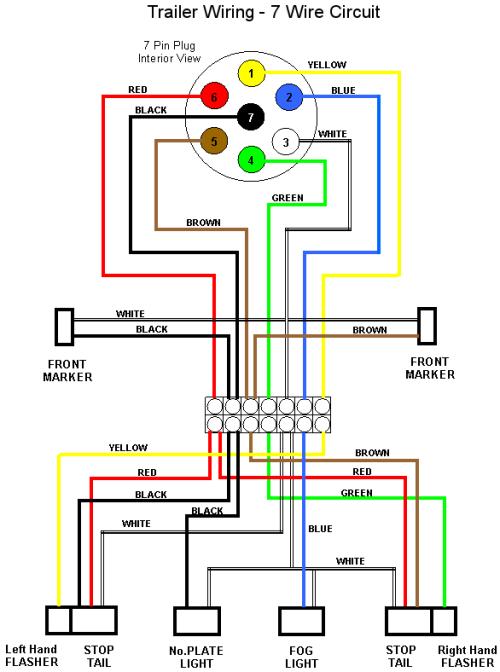
The trailer towing circuit on a 2010 GMC Sierra relies on a sophisticated power distribution network managed by the underhood electrical center and the rear chassis harness. Power originates directly at the battery positive terminal, routed through high-amp stud fuses and designated trailer relays before feeding the 7-way blade connector or 4-way flat connector at the bumper. Technicians must understand that this architecture includes both switched accessory feeds and dedicated lighting controls managed by the body control module or trailer brake control module. Adhering to strict electrical safety protocols, such as SAE J1128 low-tension primary cable standards and ESFI vehicle maintenance guidelines, ensures that modifications or diagnostic procedures do not compromise the truck’s sensitive multiplexed CAN bus network. When mapping out a complex Vehicle Wiring Diagrams reference, tracing every circuit from its source fuse to the ultimate ground return is essential for permanent repairs.
💡 Technical Key Takeaways:
- Core Focus: Diagnostic schematic and terminal connection layout for 2010 Gmc Sierra Trailer Wiring Diagram.
- Target Scope: Field technicians, automotive DIYers, and residential/commercial electricians.
- Safety Rule: Always disconnect the primary power source/battery terminal and verify zero voltage with a multimeter before touching wires.
Pinout Functions, Conductor Sizes, and Diagnostic Expectations
Accurate troubleshooting of any towing system requires a clear breakdown of each conductor’s role, physical characteristics, and expected multimeter values. Below is a comprehensive terminal reference mapping out the primary circuits found within the standard rear bumper harness of this platform.
| Circuit Path | Typical Gauge / Protection | Multimeter Check |
|---|---|---|
| 12V Battery Feed / Charging Line | 10 AWG / 30A Stud Fuse | 12.6V engine off, 13.8V to 14.4V alternator charging |
| Trailer Brake Controller Output | 12 AWG / Trailer Brake Module | 0V resting, variable 0 to 12V proportional to pedal force |
| Left Turn / Stop Signal Control | 14 AWG / BCM Output Circuit | Pulses 12V DC during turn signal or steady 12V on brake press |
| Chassis Ground Return Path | 10 AWG / Frame Stud Ground | Less than 0.2 ohms resistance to battery negative post |
Step-by-Step Diagnostic Workflow for Trailer Circuit Failures
When tracking down intermittent lighting faults or dead auxiliary power feeds on a modern truck, a systematic diagnostic sequence prevents wasted time and ruined components. Always begin with a thorough visual inspection of the rear bumper plug assembly, looking for green corrosion, bent pins, or pinched harness sections near the spare tire carrier. If fuses are repeatedly blowing, do not simply replace them with higher-amp ratings; instead, perform a targeted resistance check with your digital multimeter isolated from the load. Utilize voltage drop testing under a simulated load using an incandescent test light or dedicated headlamp bulb to pinpoint high-resistance connections across corroded relay contacts or oxidized chassis grounds. For complex control-side issues, consult specialized Wiring Troubleshooting guides to isolate module communication errors from simple open-circuit wiring failures.
Common Failure Points, Chafing Hazards, and Electrical Safety
The 2010 GMC Sierra chassis experiences distinct environmental stressors that frequently impact trailer functionality. Road salt, moisture intrusion, and thermal cycling degrade the rear frame-mounted ground eyelets, creating high-resistance paths that cause trailer lights to dim or flash erratically when turn signals are engaged. Additionally, the main chassis harness is prone to thermal damage and physical chafing where it routes over the rear axle crossmember and bumper reinforcement brackets. Before performing any invasive continuity testing or splicing high-current circuits, always disconnect the negative battery cable to prevent accidental short circuits against the steel frame. Technicians should also verify factory service manual pinouts, as specific towing package options alter underhood relay configurations and auxiliary stud fuse placements.
Technician and DIY Troubleshooting Frequently Asked Questions
Why is my trailer running light circuit working, but the stop and turn signals are completely dead?
This symptom typically points to dedicated trailer lighting fuses located in the underhood fuse block or a faulted body control module output. Unlike older vehicles where trailer wires spliced directly into tail lamp bulbs, this platform uses isolated solid-state drivers that protect the truck from trailer-side shorts. Always inspect the specific trailer stop and turn fuses before assuming a wiring harness break.
How do I test the electric trailer brake output wire without a connected trailer?
You can verify the trailer brake controller output by back-probing the blue wire at the 7-way connector while a helper manually squeezes the dash-mounted brake controller lever. Set your digital multimeter to DC volts, ground the black meter lead to the vehicle frame, and probe the blue terminal. You should see voltage scale upward smoothly in proportion to the manual slider position.
What causes the DIC message indicating a trailer wiring fault on the instrument cluster?
The truck’s electrical system monitors current draw on the lighting circuits to detect connected loads. If the trailer has high-resistance grounds, corroded bulb sockets, or mismatched LED loads without proper load resistors, the module detects an anomaly and triggers a dashboard warning. Cleaning the trailer plug and verifying ground integrity usually clears the fault.
Explore Additional Automotive and Electrical Reference Schematics
Mastering complex truck harnesses is just the beginning of automotive diagnostics. To expand your knowledge base to auxiliary lighting, custom audio integration, and heavy-duty towing setups, explore more professional schematics and technical teardowns on ReadWires.com.
Wiring Diagram Schematics & Details